
Can where you live influence your health and length of life? Recent research suggests it can. Previously I’ve written about “Blue Zones”—regions with unusually high numbers of centenarians. A study from Washington State University (WSU) examined social and environmental drivers that may help explain why people in some places live longer than others.
WSU’s analysis used Washington State mortality records from 2011–2015 for 144,665 people who died at age 75 or older. The average age at death in that group was 86. Only 2,698 people—about 1.8 percent—reached age 100, with the oldest centenarian in the sample dying at 114.
>> Related: CCRCs Help Seniors Stay Active for a Healthier Life
Many factors impact longevity
After adjusting for gender, race, education, marital status, and neighborhood social and environmental measures, the researchers identified several factors associated with increased odds of reaching 100.
Gender and race
Being female was associated with a higher likelihood of becoming a centenarian—an outcome consistent with many studies worldwide. Explanations include biological differences, lifestyle patterns, and social or environmental influences.
The study also found higher odds for white individuals compared with some other racial groups, echoing many U.S. studies that report higher mortality rates among African-Americans at most ages. Conversely, Hispanics and Asian/Pacific Islanders often show lower mortality than whites. The researchers suggest these differences may stem from long-term effects of discrimination, socioeconomic disparities, and unequal health outcomes.
Increased neighborhood walkability/bikeability
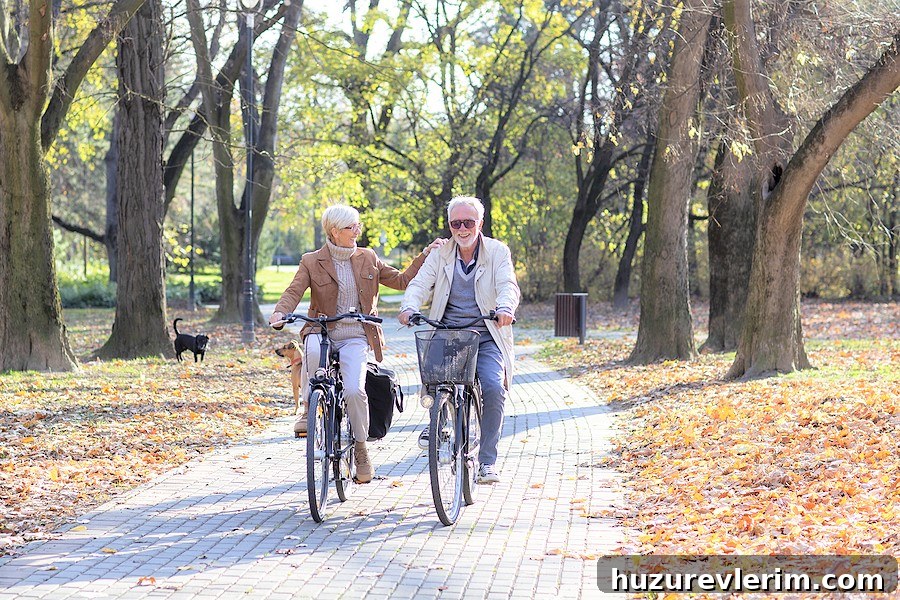
People living in neighborhoods with higher walkability scores were more likely to reach 100. Features such as dense, walkable intersections, mixed land use, and nearby parks encourage walking and biking, which in turn increase physical activity and often improve access to public transit, healthy food, and healthcare—advantages especially important for older adults who no longer drive.
Higher walkability correlates with lower body mass index and other positive health measures, making it a meaningful community-level factor for longevity.
Lower education level
Surprisingly, this WSU analysis found that people with a high school diploma or college degree were less likely to become centenarians than those without a high school diploma. That contrasts with many studies linking higher education to longer life through better employment, higher income, and healthier behaviors.
The authors propose that for this older cohort, the influence of education on longevity may be diminished while biological aging factors play a larger role. They note prior research that also found little correlation between education and mortality in certain age groups.
>> Related: 4 Ways CCRCs Help Seniors Stay Healthy
Higher socioeconomic status
The study mapped geographic clusters where reaching age 100 was more common. These clusters tended to appear in urban, higher-socioeconomic tracts around greater Seattle and in affluent towns near Pullman. Areas with lower prevalence of centenarians were often rural. Higher income and resources are consistently linked to better access to healthcare, healthier lifestyle choices, and broader social networks, all of which support longer lives.
Working-age population
Living in areas with a larger share of working-age residents (ages 15–64) was associated with increased longevity. Metropolitan areas, which attract younger and employed populations, tend to offer more jobs, services, and cultural amenities than small towns or rural areas. Those features often translate into higher socioeconomic status, better government services, and improved access to transportation and healthcare—factors that help people live longer.
When younger people leave rural areas, older residents may lose access to support networks and services, which can negatively affect health outcomes for those who remain.
Marital status
Another unexpected result: those who were never married, divorced/separated, or widowed at death were more likely to be centenarians than those who were married. In this sample, being widowed showed the strongest association, followed by never married, then divorced/separated.
Many prior studies report a survival advantage for married people—often attributed to social, economic, and psychological benefits of marriage. The WSU study focused specifically on people aged 75 and older, where some marriage-related protective effects may be less relevant. For example, surviving an early bereavement may reduce long-term stress, and leaving a strained marriage can also reduce chronic stressors that harm health, which could help explain these findings.
>> Related: Kindness Matters: How Volunteering Can Benefit Seniors’ Health
Controlling the controllable
Some determinants of longevity—like gender and race—are beyond individual control. But the study highlights environmental and social factors that are modifiable when choosing where to live. For seniors, selecting a residence in a walkable, resource-rich metropolitan area may improve the odds of a longer life.
- Walkable neighborhoods promote daily physical activity and easier access to healthy food, healthcare, and transit.
- Higher socioeconomic areas often mean better healthcare access, more social opportunities, and stronger public services.
- Cities with more working-age residents support a wider range of services, programs, and informal caregiving options.
- A metropolitan setting typically offers more cultural, recreational, and social engagement opportunities that support overall well-being.
When deciding where to spend your later years—whether staying at home or moving to senior living or a continuing care retirement community—consider how neighborhood design, local resources, and community demographics might influence health and longevity. The WSU findings reinforce that location matters and that certain community characteristics can increase the likelihood of reaching advanced ages.