
Over the summer, I wrote about the challenges of long-distance caregiving, defined as living more than an hour from the person receiving care. Caring for a loved one is difficult under any circumstances, but long-distance caregiving brings its own distinct set of hardships. According to AARP research, long-distance caregivers face the highest annual expenses, averaging around $12,000 per year. They also report higher levels of emotional distress compared with caregivers who live closer to the care recipient.
Video chat tools like Skype or FaceTime help bridge the distance, but a wider range of technological advances introduced over the past decade are making it easier and safer for seniors to age in place. These assistive technologies (AT) reduce the burden on caregivers who are not nearby, and many older adults are adopting them to preserve independence and security.
>> Related: The Challenge of Long-Distance Caregiving
Web-enabled home sensor systems
Smart home technology has progressed quickly in recent years. Beyond remotely controlling lights or thermostats, smart home systems offer features especially valuable to long-distance caregivers, helping seniors remain independent for longer.
Motion sensors indicate when a senior gets up, moves through the house, or goes to bed, providing reassurance that daily routines continue. Door sensors alert caregivers when someone leaves or returns home. Sensors can even notify loved ones when the refrigerator or microwave is opened, offering assurance that meals are being taken.
Personal emergency response systems (PERSs)
Wearable emergency devices have improved significantly. Modern PERS options include Bluetooth-enabled sensors worn as a belt clip, watch, or pendant that monitor movement and activity patterns. If the device detects an unusual pattern or prolonged inactivity, it can alert a long-distance caregiver to check in. Some devices incorporate GPS tracking to locate loved ones who may wander or become disoriented.
Many of these wearables also offer monitored services that automatically summon emergency responders if a fall is detected or the person becomes unresponsive. PERS equipment is increasingly common in senior living communities; many continuing care retirement communities (CCRCs) and life plan communities now provide emergency alert devices even for residents in independent living.
Medication management
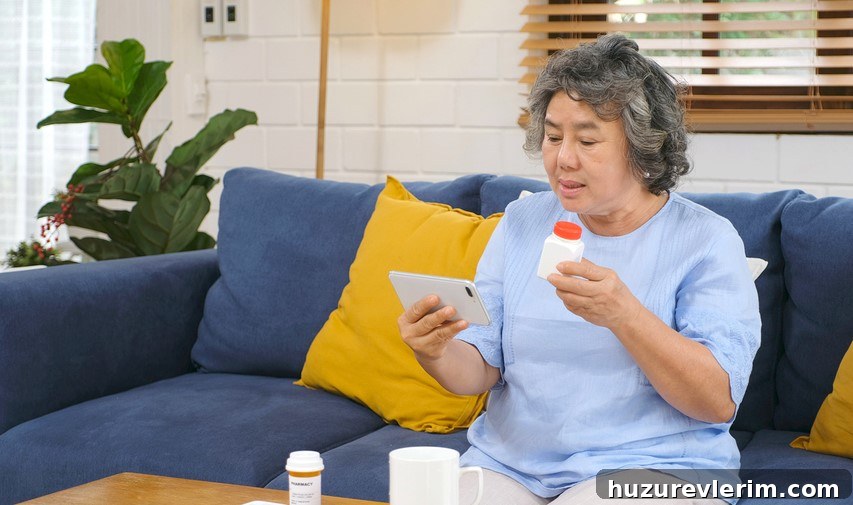
Medication adherence—taking prescriptions as directed—can be challenging at any age and is a frequent issue for older adults who may forget doses or timing. Several technology solutions can ease that burden for long-distance caregivers.
Smartphone medication reminder apps work like alarms to prompt seniors to take medications at scheduled times. Many apps include features that allow a caregiver to set up, manage, and monitor reminders remotely.
Another option is an automated countertop medication dispenser, usually available for rent with an associated monitoring or dispensing service fee. The device is loaded with several days’ worth of doses and programmed with the medication schedule. At the appointed times, the dispenser provides an audible and visual alert and releases the correct dose. The alert persists until the senior presses a button to confirm they took their medication; if they do not, the system notifies the monitoring company and/or the caregiver.
>> Related: The CCRC of the Future: Technology
A preponderance of benefits from technology
Beyond sensors, wearables, and pill dispensers, other smart devices can prevent common household hazards. For example, devices exist that automatically shut off a stove left on too long, or stop a faucet to avoid a tub or sink overflow. These technologies enhance safety and help older adults maintain independence longer.
Concerns about privacy and feeling surveilled are understandable. Families should weigh these issues carefully and discuss options with the aging loved one. For many, the safety and peace of mind provided by monitoring and assistive technologies outweigh the downsides, especially when a caregiver lives at a distance. Open communication and clear boundaries about what will be monitored can help balance safety, dignity, and independence.