Last week’s post about people’s fear of catching the “old disease” led me to reflect on a related subject I often raise when speaking to groups: ageism and the “invisible senior.” I wrote about this last fall and recently presented on the topic at the Key5 conference in Charlotte. The central point is how much our society loses when we push aside older adults, ignoring their contributions, experience, and ongoing value.
A slow fade into obscurity
Far too often, people who were respected community members—teachers, doctors, business leaders, and more—feel diminished as they retire and age. Many of these older adults want to remain engaged and contribute, but society frequently overlooks their desire and capacity to give back. The result is harmful for everyone: older adults lose a sense of purpose and belonging, while communities miss out on the skills, knowledge, and perspective these individuals can offer.
In my Key5 presentation I told the story of Rita. Widowed several years ago, many of her friends have either passed away or moved closer to family, and her adult children are busy with their own lives. Rita no longer feels safe driving, so she spends much of her day watching television. She worries she is losing purpose and fears becoming a burden to her family.
>> Related: The Senior Loneliness Epidemic & Solutions to “Cure” It
A cure for isolation
Loneliness among older adults is not only about being physically alone. It often stems from a feeling that one’s contributions no longer matter—that society no longer values an individual. Research in the U.S. indicates that nearly half of older adults report loneliness, which can accelerate physical and cognitive decline and raise the risk of premature death. By contrast, seniors who remain socially active—especially through volunteer work and intergenerational programs—show better memory performance, fewer falls, and overall better health than their isolated peers.
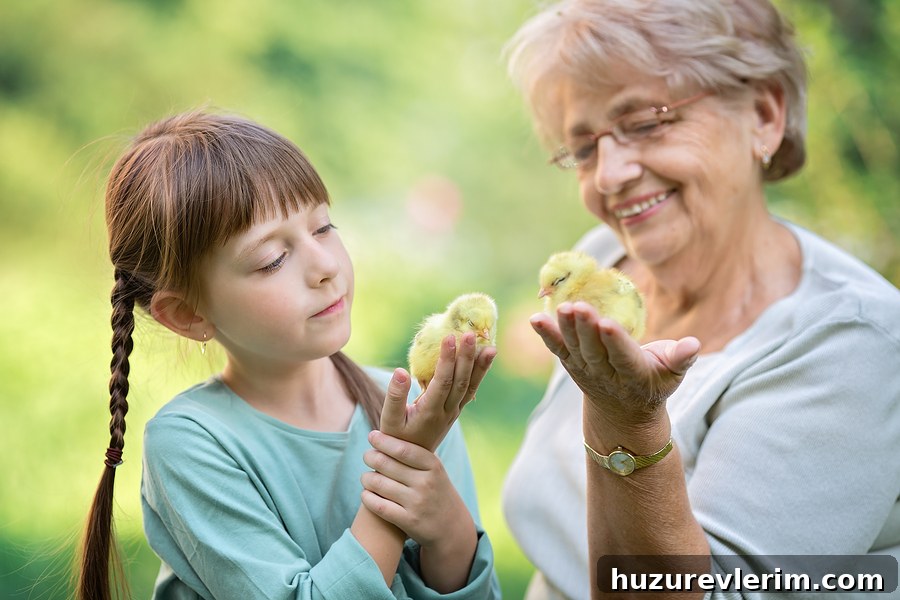
These programs benefit younger participants as well: children involved in intergenerational activities tend to have lower truancy rates and are less likely to experiment with drugs or alcohol. When generations interact and learn from each other, both sides gain.
>> Related: Intergenerational Programs Unite the Young and the Young-at-Heart
A treasure trove of talent
Older adults can offer expertise and insight in many forms. In my talk I shared the example of Alma Bob, a 103-year-old who regularly lectures medical students at Penn State University. By sharing personal experiences of aging, she gives future doctors a direct, human perspective that enriches their training and improves how they will care for older patients.
If our society found more systematic ways to access the knowledge and skills of older generations, the positive effects could be profound. When elders mentor, teach, or advise younger professionals—like medical students—their influence spreads widely as those students go on to practice across the country and around the world.
>> Related: Encore Careers for Seniors: Finding Job Satisfaction…Again
My challenge to you…
Seniors are an often-overlooked resource. We should actively seek ways to include older adults, especially those at risk of social isolation. Consider whether your workplace, place of worship, your children’s school, or organizations you belong to could benefit from their experience and involvement. Look for volunteer roles, mentorship opportunities, or program ideas that invite older adults to share their talents.
Older adults bring decades of experience, perspective, and wisdom. They have much to teach us, and we have a great deal to gain by listening and engaging.