
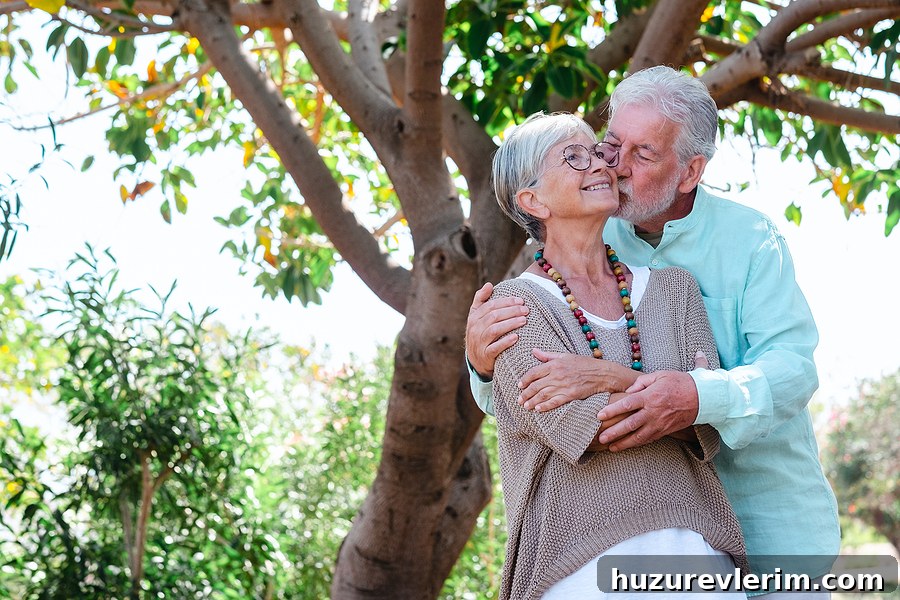
It’s Valentine’s Day, and for many older adults love is still very much alive. Some seniors remain in long-term partnerships that have lasted for decades, while others—whether single, divorced, or widowed—are exploring new ways to find companionship. Dating and relationships for older adults in the 2020s often look different than in the past, blending traditional approaches with modern technology and evolving social expectations.
Online dating
Online dating has become increasingly popular across age groups, including among seniors. Recent research shows substantial growth in usage among older adults: a notable share of people ages 50 to 64 and those 65 and older have tried dating websites or apps. Several services now cater specifically to older daters, making it easier to meet people with similar life experiences and priorities.
Compared with data from a decade earlier, the rise in senior engagement with online platforms has been striking. Where only a few years ago a small fraction of older adults tried online dating, many more seniors now are comfortable creating profiles, messaging potential matches, and using apps to expand their social circles.
>> Related: “The Bachelor” Shows Views on Seniors’ Relationships Have Evolved
Scams and catfishing
A cautionary note: as online dating use grows, so do scams and instances of catfishing. Scammers often create fake profiles to build trust and then ask for money, gifts, or other forms of assistance. These schemes commonly target older adults, especially those who are newly single.
When using dating sites or apps, remain vigilant. Be wary of anyone who avoids phone or video conversations, quickly declares strong emotions, or requests funds. Trust your instincts, verify identities when possible, and report suspicious accounts to the platform.
>> Related: Seniors and Sex: A Significant Quality of Life Issue
Tried-and-true ways to meet someone
Not everyone is drawn to online dating, and traditional methods of meeting people remain effective and fulfilling. Meeting through shared hobbies, volunteering, religious communities, or mutual friends continues to be a reliable path to meaningful connections.
Senior living communities and continuing care retirement communities (CCRCs or life plan communities) can also foster opportunities to meet like-minded people. Many communities organize social events, dances, happy hours, classes, and interest groups that help residents build friendships and romantic relationships in a relaxed, supportive setting.
>> Related: Dating and Intimacy in Retirement Communities
Part-time relationships
Some older adults are choosing relationships that fit around their other priorities. Grandchildren, hobbies, volunteer commitments, travel, and long-standing routines can make the time demands of a full-time romantic partnership feel limiting. As a result, casual or part-time arrangements—seeing someone a few times a week while maintaining independence—are increasingly common and often suit retirees who value both companionship and personal freedom.
Many who opt for this arrangement are content with the balance it provides: companionship without a total restructuring of daily life. For some, the experience of living alone after divorce or widowhood has underscored the benefits of autonomy, leading them to pursue relationships that enhance rather than replace their existing lifestyle.
>> Related: Single Seniors May Pay the Price When it Comes to Retirement Savings
Later-in-life partnerships and marriage
At the same time, committed partnerships and marriages later in life remain common and meaningful. When people find a compatible partner, many choose to formalize their relationship through marriage or cohabitation. These unions can provide emotional support, companionship, and practical help with daily activities as partners age.
Marriage and committed partnerships also carry legal and financial implications. There can be benefits—such as tax considerations and shared access to retirement resources—but there are also risks if a relationship ends or if financial arrangements are not carefully planned. Seniors considering marriage or cohabitation should evaluate both the emotional and practical consequences and consider consulting legal and financial professionals to protect their interests.
>> Related: The Unexpected Cost of Divorce in Retirement
The state of senior dating and relationships
Whether seniors choose online platforms, community events, or traditional social circles, opportunities for companionship are broader than ever. From casual dating that preserves independence to committed partnerships and marriages, older adults have many options to find meaningful connections at any stage of life. With awareness, patience, and a clear sense of priorities, it’s never too late to pursue love or companionship.