
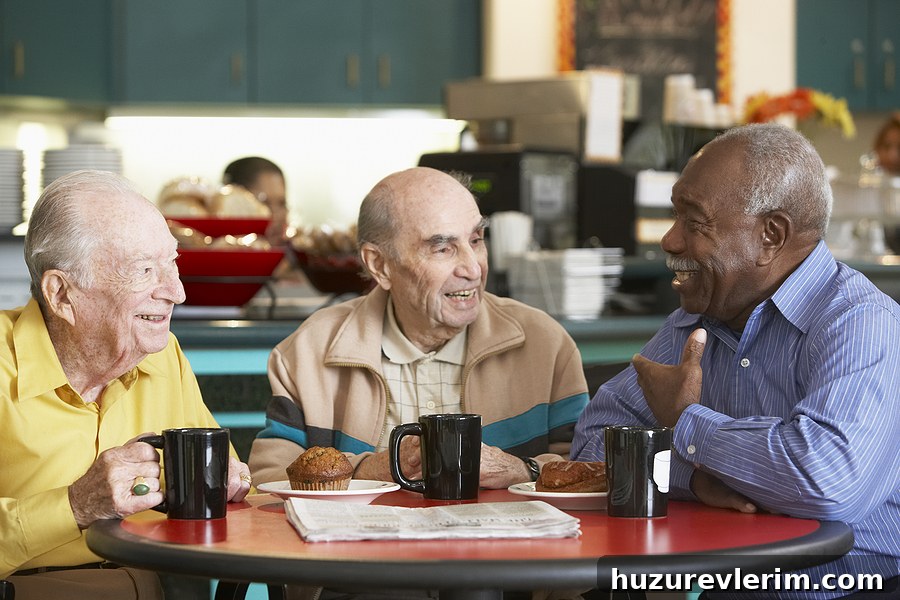
In last week’s post, I explored how a continuing care retirement community (CCRC), also known as a life plan community, or other senior living environments can appeal to both introverts and extroverts. That discussion reminded me of a recent NPR segment highlighting how making new friends as an adult—especially later in life—can be surprisingly difficult.
That difficulty matters because social isolation, meaning a lack of regular interaction with friends and family, is linked to worse health outcomes for older adults. Maintaining social connections is a key factor in both mental and physical wellbeing.
>> Related: The Key Difference Between Social Isolation & Loneliness
An increasingly challenging predicament
Think back to school and college years when meeting people and forming friendships felt almost effortless. Classes, clubs and shared activities provided frequent opportunities to meet like-minded people. Once we move into adult life, those ready-made social circles largely disappear.
Adult life brings new priorities—careers, relocations, relationships and raising children—that often leave little time or energy for cultivating new friendships. In your 30s and 40s, you might be focused on establishing stability, so actively seeking new friends can drop far down the list of daily concerns.
That situation does not always improve with age. In many cases it gets harder. People may rely heavily on a spouse or partner for social contact; when a relationship ends or a partner dies, that support can disappear. Friends also grow older, fall ill, move away or pass on, shrinking social networks. I once spoke with a man who somberly noted, “If I want to visit my friends, I have to go to the cemetery.”
>> Related: Mind the Gap: Seniors with Nowhere to Turn for Support
A shrinking circle of friends
Dr. Marisa G. Franco, a psychologist and professor at the University of Maryland who studies the psychology of friendship, points out that many adults—especially men—find it hard to actively seek new friends. One common barrier she describes is “covert avoidance.” People often assume new acquaintances already have enough friends and, as a result, subconsciously close themselves off to forming a connection.
When someone already feels lonely, that mindset can become a self-fulfilling prophecy. According to Dr. Franco, loneliness increases the expectation of rejection: people become hyper-vigilant for social threats and are more likely to anticipate negative interactions. That expectation discourages attempts to connect and deepens isolation.
The paradox is that older adults often need friendships more than ever for emotional support and practical help. Yet social barriers and fear of rejection make those connections harder to achieve just when they are most valuable.
>> Related: The Long-Term Impacts of Fewer Births and More Soloagers
Opening your heart and mind to new connections
Dr. Franco offers several practical strategies adults can use to build new friendships as they age:
- Be intentional. Unlike decades when you encounter many people organically, adulthood requires purposeful effort. Plan time and energy for making and maintaining friendships.
- Arrange regular group gatherings. Weekly coffee dates, a monthly book club or other standing events create multiple touchpoints and make friendships more sustainable than one-on-one meetings alone.
- Assume people will like you. Counteract negative self-talk and the expectation of rejection, which often leads to covert avoidance.
- Ask for contact information. When you feel a connection, don’t hesitate to exchange phone numbers or emails—and follow up.
- Keep trying. Not every encounter will become a deep friendship. Stay persistent and open to meeting others.
>> Related: CCRC Life Enrichment Programs Add Extra Value During Pandemic
Nurturing friendships at a CCRC
Moving into a CCRC or another senior living community can provide a natural environment for rebuilding and expanding social networks. These communities are designed to facilitate connections through multiple features and programs.
New resident ambassador programs and welcome committees help newcomers become comfortable and introduce them to neighbors. Communal dining settings are intentionally arranged to encourage conversation and ongoing social bonds. Even practical design elements—sidewalks, mailbox areas and shared common spaces—encourage chance encounters and regular contact.
Most importantly, CCRCs and similar communities offer a wide variety of group activities that create frequent opportunities to meet peers with shared interests: classes, hobby groups, volunteer projects, cultural outings and social events. Those gatherings provide the repeated interactions Dr. Franco recommends, increasing the chances that acquaintances will evolve into reliable friendships.
Adjustment varies from person to person. Some new residents may need time before they’re ready to form new ties, and that is normal. Structured welcome programs and patient community support can help residents acclimate at their own pace and eventually find friendships that enrich daily life.
>> Related: Another Study Finds Potential Health Benefits to Living in a CCRC
A bond for life
Humans are social beings, and regular social contact supports wellbeing across the lifespan. Research consistently links social isolation to poorer physical and mental health, especially for older adults. By creating environments and programs that encourage connection, CCRCs and other senior living communities help residents form supportive friendships. Those relationships not only reduce loneliness but also contribute to happier, healthier lives surrounded by caring companions.