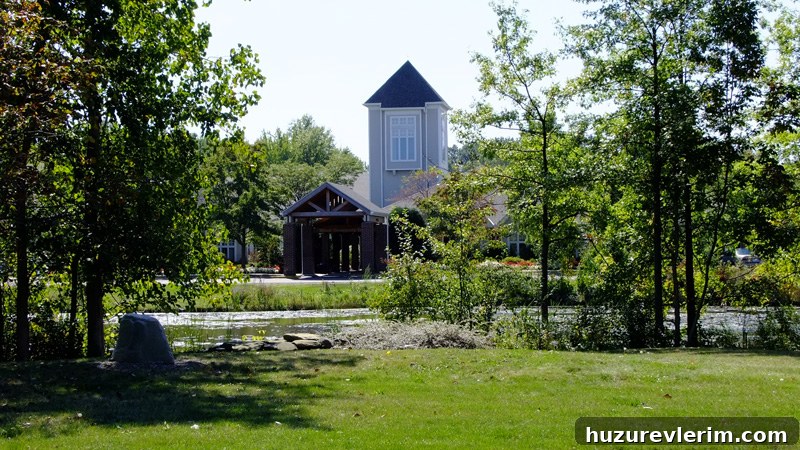
In response to growing interest from residents and prospective residents, more senior living communities are adopting sustainable practices. These efforts range from everyday initiatives like recycling, ridesharing, and composting to larger-scale commitments such as environmentally conscious campus design and construction.
Green construction practices do more than provide positive marketing messages: they can improve the living experience for residents. Many eco-friendly materials and building methods deliver tangible benefits such as steadier indoor temperatures, reduced noise, and better air quality due to fewer toxic chemicals used in construction and operations.
>> Related: The Environmentally Sustainable CCRC of the Future
Taking “green” building practices to the next level
Many newer senior living communities in the United States are built to meet Leadership in Energy and Environmental Design (LEED) certification standards developed by the U.S. Green Building Council. LEED emphasizes energy, space, and water efficiency, waste reduction, and the use of environmentally responsible materials. Some communities are going further, pursuing even more rigorous sustainability goals.
One notable example is Seattle’s Aegis Living Lake Union assisted living and memory care community. In addition to 24/7 in-house healthcare, locally sourced dining, concierge services, fitness and social programming like yoga and mixology classes, Lake Union was designed with an exceptional focus on environmental performance.
The community was conceived to meet the Living Building Challenge (LBC), considered among the most stringent green building standards. The LBC evaluates projects across seven performance areas, or “petals”:
- Place
- Water
- Energy
- Health and happiness
- Materials
- Equity
- Beauty
Living Buildings aim to be regenerative—connecting occupants to light, air, food, nature, and community—self-sufficient within their site’s resource limits, and capable of creating a positive impact on both human and natural systems.
>> Related: CCRCs Help Seniors Stay Active for a Healthier Life
“Green” features help the environment
Aegis Living Lake Union was designed to be all-electric and emission-free, meeting 105 percent of the building’s total energy demand through a mix of energy-reduction measures and renewable generation. The campus combines an onsite solar array with energy supplied from an offsite solar farm that produces approximately 1.7 million kilowatt-hours.
The buildings reduced overall energy demand by roughly 25 percent compared with similar facilities through key design and systems choices, including:
- Triple-pane window glazing
- Thermal insulation for exterior walls
- Heat recovery integrated with forced-air ventilation
- Recirculating heat pump systems
- LED lighting with occupancy and daylight sensors
- High-efficiency appliances
Water conservation is another priority: all non-potable water needs, such as landscape irrigation, are met with captured rainwater and treated greywater. This approach saves more than 140,000 gallons of potable water annually.
>> Related: The CCRC of the Future: Community Design
Benefits to senior living residents
Beyond environmental stewardship, eco-friendly design delivers direct benefits to senior living residents. Key advantages include:
- Lower operating costs: Energy-efficient systems, low-flow water fixtures, and durable, low-maintenance materials reduce utility and maintenance expenses. Those savings can translate into lower monthly community costs or more funds available for resident services.
- Improved health and wellbeing: Better ventilation and the use of low-VOC paints and natural materials reduce indoor air pollutants. Since indoor air can harbor higher concentrations of certain contaminants, improved air quality can reduce respiratory irritation and support overall health.
- Increased perceived and real value: Green buildings are often viewed as more desirable for their cost savings, healthier indoor environments, and reduced environmental impact. Financial incentives and programmatic support for sustainable projects can also make them more attractive to developers and operators.
These benefits appeal to a wide range of prospective residents—those who are budget-conscious, health-conscious, or environmentally minded. As senior living communities plan renovations or new construction, incorporating green building practices can enhance resident comfort, reduce long-term costs, and strengthen a community’s marketability.