
“Dost thou love life? Then do not squander time; for that’s the stuff life is made of.”
—Benjamin Franklin, Poor Richard’s Almanack, 1746
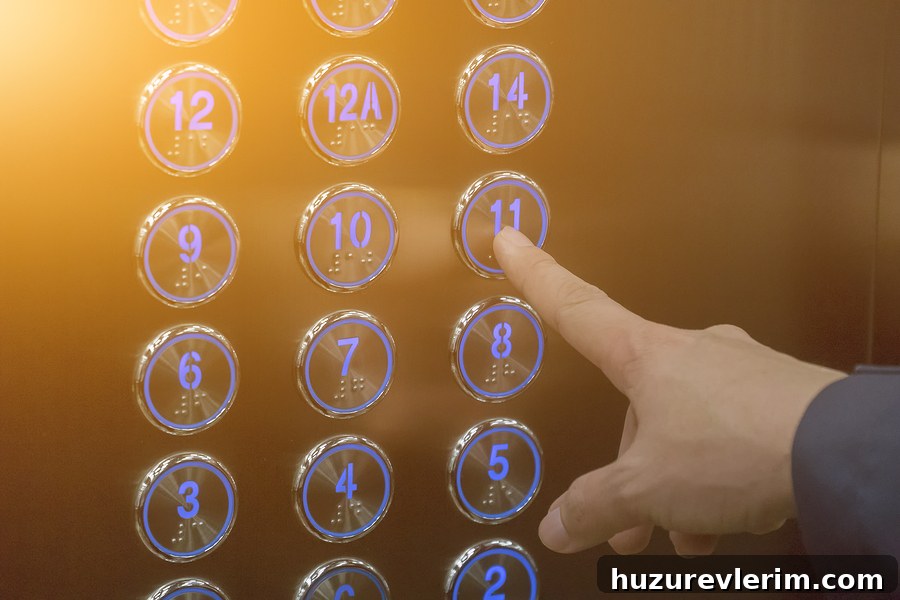
We’ve all experienced it: press the up or down button, wait, listen to pulleys and gears, and then—finally—the doors open. You step in, select your floor, the doors close, and you wait again as the elevator grinds its way to your destination. That slow rise or descent can be surprisingly irritating, especially when you use elevators frequently.
If you’re considering a move to a continuing care retirement community (CCRC) or another multi-floor senior living residence, elevator performance is one practical detail worth paying attention to. Elevators are part of daily life in any building with multiple floors, and differences in speed, capacity, and number of cars can affect your comfort and convenience.
The practical reason behind elevator speed
Recently I stopped by an expo and spoke with a representative from a major elevator manufacturer. I wanted to know two things: why their name appears on so many elevators, and why some CCRCs have noticeably slow elevators while others move more briskly. The representative’s answer was straightforward: budget.
Faster elevators and higher-performance systems typically cost more to buy and install. Developers managing construction budgets sometimes prioritize other features, which can mean choosing slower elevator models or installing fewer cars than ideal. That cost-driven decision shows up every time residents wait for a lift.
There are other factors as well. Building design, expected resident density, and the number of units influence how many elevators are needed. A common guideline is roughly one elevator per 60–90 units, though acceptable wait times and traffic patterns can change that ratio. In some cases a developer may have opted to install a single elevator where two would better serve residents’ needs, leading to longer waits during peak times like dinner or visiting hours.
What is your time worth?
Think about the time you’ll spend waiting over months and years. After investing time and money to choose the right CCRC, long waits for basic building services can be an ongoing frustration. That’s why elevator performance is more than a minor inconvenience—it affects daily routines and quality of life.
When touring CCRCs or other senior living buildings, take a few extra minutes to test the elevators. Ride them at different times of day, note how quickly they arrive, and observe whether there are enough cars to handle demand during busy periods. Ask staff about peak times and whether there are schedules or systems to reduce waits. These simple checks will give you a realistic sense of how the building works in practice and help you make an informed decision.
Elevators may not be the most glamorous feature of a community, but they play a crucial role in daily living. Checking elevator speed and adequacy while researching potential CCRCs can save you repeated frustration and help ensure your chosen community matches your expectations for comfort and convenience.