
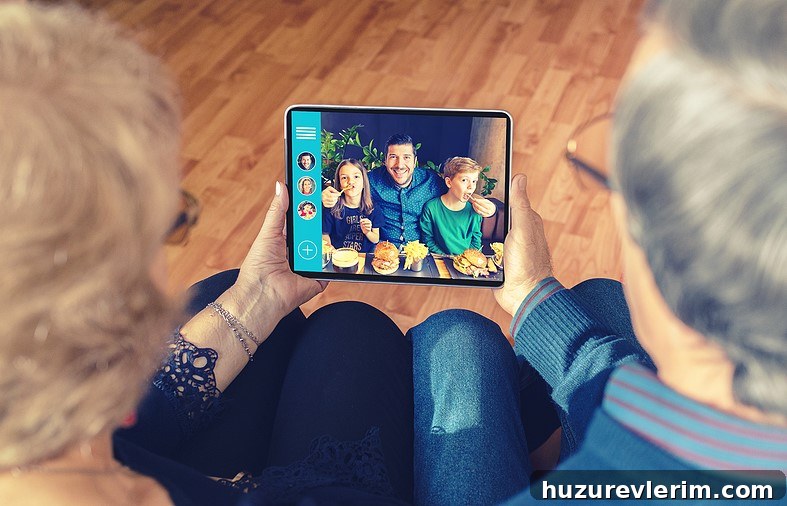
With heightened social isolation during the pandemic, technology has become a vital lifeline for many older adults. Missing in-person visits with friends, family gatherings, and celebrations, seniors have relied on tools like Zoom, FaceTime, and social media to maintain connections across distances.
These tools do not replace face-to-face contact, but the pandemic accelerated adoption and comfort with digital communication. Research indicates seniors are increasingly embracing technology to stay connected, informed, and engaged.
Internet and social media use
Seniors’ internet and social media use has trended upward for years, and the pandemic further increased reliance on online capabilities. According to Pew Research data collected before the pandemic, social media adoption was already significant: in 2019, 72 percent of all U.S. adults used social media, including 69 percent of those 50 to 64 and 40 percent of those 65 and older. Popular platforms among older adults included:
- YouTube — used by 70 percent of those 50 to 64 and 38 percent of those 65 and older
- Facebook — used by 68 percent of those 50 to 64 and 46 percent of those 65 and older
- Pinterest — used by 27 percent of those 50 to 64 and 15 percent of those 65 and older
- Instagram — used by 24 percent of those 50 to 64 and 8 percent of those 65 and older
Although data collection continues, it’s likely these figures have risen as more people have turned to the internet for social opportunities while in-person activities were limited.
Early in the pandemic, a March 2020 Pew survey found that 74 percent of Americans 65 and older used email to communicate. An April 2020 Pew survey reported that among those 65 and older, 20 percent had taken part in a virtual social gathering and 19 percent had ordered groceries or takeout online. These behaviors likely increased further as the pandemic progressed.
>> Related: Seniors and Technology- Embracing the Digital Age
Smartphone technology becoming the norm
Smartphone ownership among older adults is rising, which makes social media and video calls more accessible. Apps on smartphones and tablets provide access to information, communication, entertainment, and health tools.
An AARP survey showed smartphone adoption among Americans 50 and older rose from 70 percent to 77 percent between 2017 and 2019. Adoption has continued to climb: currently about 86 percent of people aged 50 to 59, 81 percent of those 60 to 69, and 62 percent of adults 70 and older use a smartphone.
>> Related: How Technology Is Reducing Long-Distance Caregiver Burden
Seniors adopting other technology, too
Seniors have embraced a variety of technologies that have grown in popularity during the pandemic, including:
- Video conferencing tools such as Skype, Zoom, and FaceTime, which let seniors see loved ones when in-person visits aren’t possible.
- Tablets and e-readers like iPads and Kindles, which offer adjustable text and backlighting that benefit aging eyes and reduce the need to visit libraries or stores.
- Streaming services such as Netflix, Hulu, and Apple TV, which provide entertainment on smartphones, tablets, and smart TVs.
- Online educational and fitness classes that allow seniors to take yoga, art, or other courses from home.
- Telehealth visits, which have become more common for routine care and monitoring when in-person appointments are limited.
- Wearable devices like the Apple Watch and Fitbit, which track activity and vital signs and can share data with caregivers or providers for ongoing monitoring.
>> Related: The CCRC of the Future: Technology
Follow us! New videos, social media engagement for myLifeSite
While the pandemic prompted much of the recent growth in seniors’ technology use, these trends are likely to continue. At myLifeSite, we monitor seniors’ technology habits and have expanded our online presence accordingly.
- We added educational videos to our YouTube channel that cover topics like life plan community qualifications, residency contract models, and reasons to consider a life plan community.
- We launched a Pinterest page featuring facts and resources related to retirement and senior living, plus motivational and informational pins.
- We increased activity on other social platforms, including Facebook, Instagram, Twitter, and LinkedIn. Be sure to follow us for updates and resources.
Soon we will introduce myLifeSite 2.0, a redesigned CCRC database and report engine. The new site will offer free access to CCRC profiles without requiring a login or payment and will include filters so you can search by lifestyle preferences and needs.
We hope these improvements make it easier for you to explore senior living options and stay connected to the information and people that matter most.