
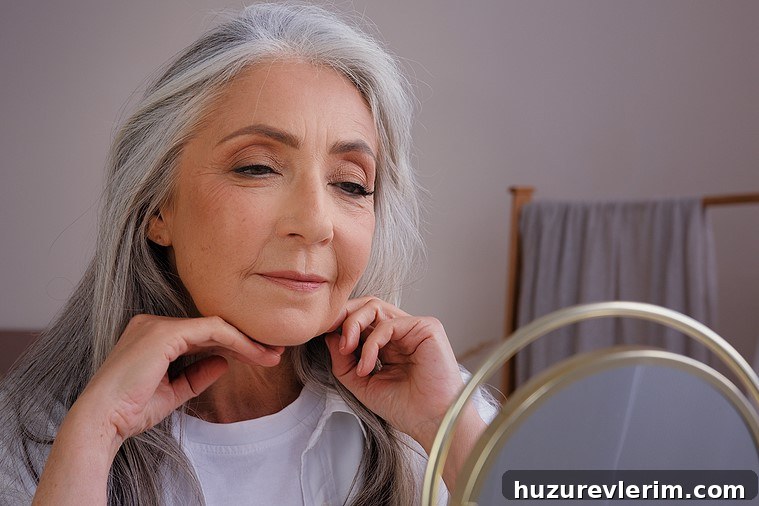
I’ve noticed growing interest in research and technology aimed at slowing or reversing aging, alongside a strong movement dedicated to combating ageism. That raises an important question: are these two pursuits contradictory? Can we reasonably oppose ageism while also pursuing ways to remain younger for longer?
Anti-aging science
Anti-aging products are hard to miss in drugstores, but the science behind extending life and reversing cellular aging goes far beyond topical creams. A number of startups and research labs are pursuing therapies that either slow the aging process or attempt to reverse it at a biological level.
Some companies focus on preventative drugs designed to inhibit mechanisms of aging, while academic teams explore cellular reprogramming and molecular interventions. For example, research conducted on mice has produced results that resemble a “Benjamin Button” effect—cells showing signs of rejuvenation and animals living longer. Scientists involved in these programs hope such discoveries can eventually translate to humans, and some researchers have even framed aging as a condition that could be treated.
The ethical conflict of anti-aging and ageism
These advances raise several ethical questions. If breakthrough anti-aging treatments are expensive, they could become accessible only to affluent people, widening social disparities and creating an elite class of longer-lived individuals. That economic divide could exacerbate inequality rather than alleviate the challenges of aging for most people.
There’s also an issue of priorities. Large investments in life-extension research may divert resources from treatments that address widespread, pressing health needs. Policymakers and funders must weigh whether allocating billions to extend healthy life spans is the best use of limited research dollars compared with investing in therapies that could benefit broader segments of the population.
Finally, the drive to resist aging reflects cultural attitudes about growing older. While many organizations and advocates promote “positive aging,” negative perceptions about aging remain common, particularly in higher-income countries. That discomfort with aging can motivate both personal choices and public policy in ways that reinforce stigma.
International surveys reveal surprising patterns: research across dozens of countries shows many people feel older adults are not respected. In some high-income nations, respect for older people is even lower than in lower-income contexts, highlighting how cultural values shape attitudes toward aging.
The true impact of our negative feelings about aging
Beyond social consequences, ageist attitudes can harm health. Longitudinal research has linked individuals’ views of aging to real differences in longevity and well-being. One long-term study following adults aged 50 and older found that those with more positive self-perceptions of aging lived significantly longer—by an average of more than seven years—than people with negative views. These findings suggest that internalized stereotypes and societal stigma can have measurable effects on mental and physical health.
Finding the balance between fighting aging and embracing age
Balancing scientific pursuit of longevity with efforts to reduce ageism requires careful reflection. Biases about older people are often formed long before we ourselves reach older age, so many people harbor stereotypes that later apply to their own lives. That psychological dynamic helps explain resistance to aging: what begins as “those people” eventually becomes “us.”
Anti-aging research can offer important benefits—improved health span, reduced disease burden, and longer productive lives—but it should not obscure the need to address the cultural roots of ageism. Societies must examine why aging is stigmatized and work to shift narratives so that growing older is not seen as a fate to be feared but as a natural stage of life worthy of respect and dignity.
Striking a thoughtful balance means supporting scientific innovations that enhance healthy aging while also investing in public education, workplace policies, and social programs that challenge stereotypes and promote inclusion for people of all ages. Doing both helps ensure that advances in longevity benefit everyone, rather than reinforcing social divisions or validating ageist attitudes.