
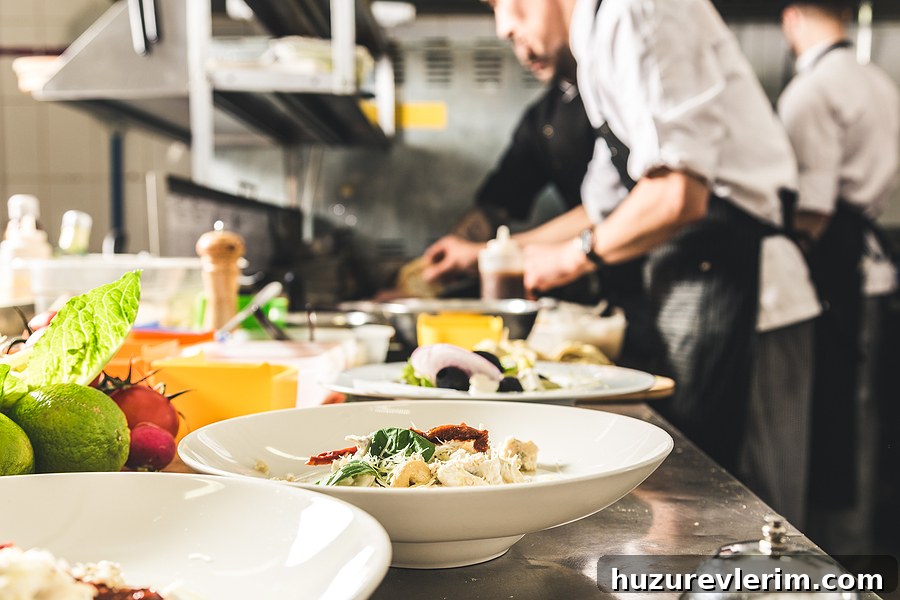
Cooking shows and contests have surged in popularity, from The Great British Bake Off to Top Chef and Chopped. Viewers love watching culinary creativity and friendly competition, and that enthusiasm has inspired senior living providers to spotlight the culinary talent within their communities. By showcasing chefs and improving dining experiences, many communities are raising the standard of food service for residents.
Award-winning senior living chefs
Life Care Services (LCS), which manages 140 senior living communities, including continuing care retirement communities (CCRCs or life plan communities), is the nation’s second-largest senior living rental community management company. In addition to property management, LCS provides services such as community design and development, risk management, and group purchasing.
This summer, LCS held its annual “Chef of the Year” competition, a cookoff among the organization’s executive chefs. The event took place in the Sysco Test Kitchens in Houston, Texas, and was live-streamed for LCS residents and staff. The contest gave participating chefs a platform to demonstrate hospitality, technique, and creativity.
Five finalists competed for the 2022 title. The winner was Chef Mike Prager, director of culinary services at Clarendale of Algonquin, an LCS-managed rental CCRC in Algonquin, Illinois. Chef Prager is known for preparing flavorful, health-conscious meals for residents.
His winning dish combined bold and nuanced elements: Mardi Gras mustard-crusted bass, five-spice lentil risotto, squash and pear hash, lemongrass beurre blanc, Thai basil oil, and black garlic toasted almonds. The award highlighted how high-quality cooking can thrive in senior living dining programs.
>> Related: 5-Stars: Dining Options Evolve at Many CCRCs
A few “hot” senior living food and dining trends
The Senior Dining Association, an organization that focuses on dining and hospitality in senior living, has identified several trends shaping menus and service models across communities. These trends reflect resident preferences for fresh, varied, and convenient dining options.
Indoor/outdoor gardens
Many communities are embracing on-site gardens to grow fresh produce and herbs. Resident-accessible community gardens provide opportunities for gardening as a social and therapeutic activity, and the herbs and vegetables harvested can be used directly in dining programs.
Robots
Labor shortages have prompted some communities to pilot service robots that deliver food from kitchens to dining areas and residences. These robots can handle repetitive delivery tasks, freeing staff to focus on personal interactions and culinary preparation.
Enhanced room service
Several communities are upgrading room service, offering in-residence breakfast, lunch, and dinner options with hotel-style convenience. Enhanced room service supports comfort and choice for residents who prefer to dine privately.
Technology
Modern point of sale (POS) systems and cloud-based dining applications help operators manage rotating menus, track resident preferences and nutrition needs, and streamline meal ordering and billing. These tools improve accuracy and personalization.
Meal catering options
Communities are expanding catering services so independent living residents can host small gatherings in their homes. Catering for groups of four to six people enables residents to enjoy social meals without leaving their residences.
Sous vide
Sous vide cooking—vacuum-sealing food and cooking it in temperature-controlled water baths—delivers consistent results in texture and flavor. This technique helps kitchens manage portioning, reduce waste, and maintain menu variety while lowering labor demands.
Plant-based protein
Plant-based proteins are growing in popularity for health and environmental reasons. They fit well with a “flexitarian” approach—primarily plant-based eating with occasional meat—offering nutritious alternatives that appeal to a broad range of residents.
Mushrooms
Mushrooms, such as portobellos, are increasingly featured for their savory flavor, nutrient content, and hearty texture. They serve as a satisfying substitute for meat in many dishes without the added calories, fat, or cholesterol.
>> Related: Bon Appetit: CCRCs Opening Their Dining Facilities to the Public
It’s all about food, dining options
Competitions like LCS’s Chef of the Year and the dining trends highlighted above illustrate how CCRCs and other senior living communities are elevating their culinary programs. Those changes come in response to residents’ evolving expectations.
Today’s residents expect more than bland, prepackaged meals and institutional dining rooms. They want fresh, flavorful food prepared with high-quality ingredients—often organic or locally sourced—and presented attractively. Equally important are varied dining venues and experiences, such as grab-and-go cafes, coffee shops, casual pubs, and bistro-style restaurants.
Shared meals and enjoyable dining settings contribute significantly to residents’ daily satisfaction and social life. To attract and retain residents, senior living communities must continue to enhance menus, dining venues, and service models to match current preferences and anticipate future culinary trends.
Quality food and mealtime experiences are central to modern senior living—benefitting both residents and communities that prioritize hospitality, choice, and flavor.