
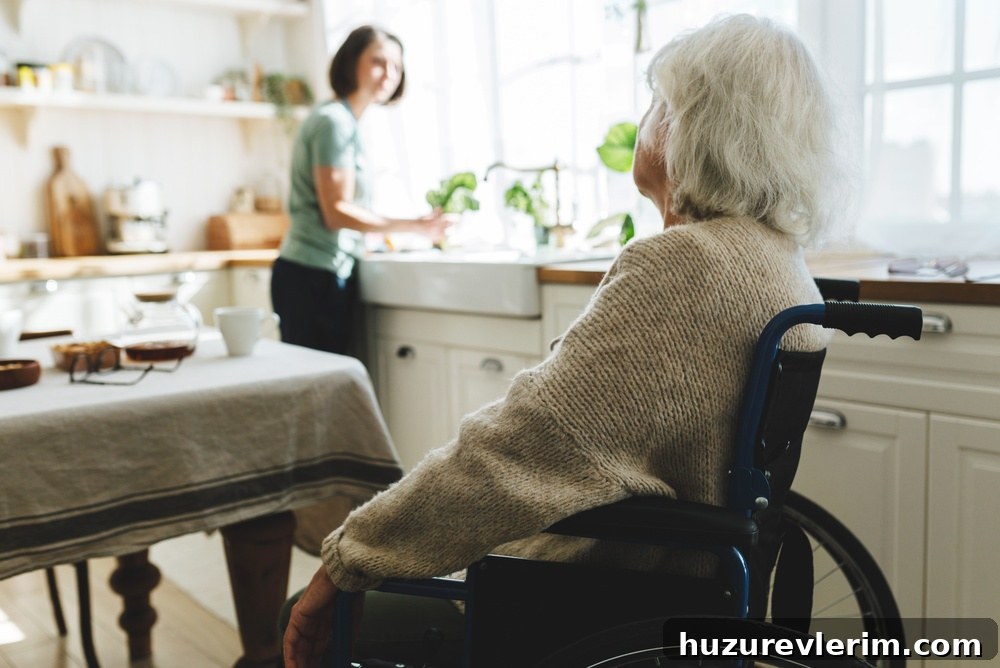
For millions of Americans, caregiving has quietly become a near‑full‑time responsibility. The report Caregiving in the U.S. 2025 from the National Alliance for Caregiving and AARP estimates roughly 63 million Americans—nearly one in four adults—provide ongoing care for a loved one with a medical condition or disability, a rise of about 45% since 2015.
Those figures reveal the growing strains on families as the population ages and highlight a clear takeaway: planning ahead for future care needs is more important than ever for older adults and their loved ones.
America’s family caregiving crunch
The nation’s long‑term care system increasingly depends on family members. The report found 59 million Americans are providing care to an adult with a chronic illness, disability, or age‑related condition. The average family caregiver is 51 years old, and women make up the majority—about 61%—of caregivers.
Many caregivers balance multiple roles. Nearly one in three are part of the “sandwich generation,” simultaneously supporting aging parents while raising children or helping grandchildren.
As life expectancy rises, caregiving demands are expected to grow. The U.S. Census Bureau projects that by 2034 adults 65 and older will outnumber children for the first time in the nation’s history, a change that will reshape family caregiving and long‑term care needs.
The reality is there simply aren’t enough formal care services, professional caregivers, or affordable long‑term care options to meet this rising demand, so families are stepping in to fill the gaps.
This 2025 report is the first to include unpaid family caregivers alongside those who receive payment through Medicaid HCBS self‑direction waivers, Veterans Affairs, or other state programs. About 11.2 million family caregivers reported receiving compensation for some of the care they provide, but many combine paid and unpaid care, meaning compensation often covers only part of their responsibilities. Of the nation’s 59 million family caregivers, just 1.9 million identify as “paid family caregivers only.”
>> Related: The High Price of Family Caregiving
Family caregiving is becoming more intensive
Caregiving today often goes far beyond occasional check‑ins. The report highlights several important trends:
- The average family caregiver provides 27 hours of care per week.
- Nearly one in four caregivers (24%) provide 40 or more hours of care each week.
- Thirty percent have been caregiving for five years or longer.
- Sixty‑five percent assist with activities of daily living, such as bathing, dressing, or transferring.
Many family caregivers also perform medical and nursing tasks once handled by health professionals—medication management, injections, wound care, and chronic condition monitoring. Only about 11% report receiving formal training for these duties.
For older adults and families, this demonstrates a key point: caregiving often begins with modest tasks but can quickly become complex, demanding, and overwhelming without proper planning and support.
>> Related: Family Caregiving Can Present Stressful Challenges
The hidden costs of aging in place
Most older adults prefer to stay in their homes. A recent AARP survey found that about three‑quarters of adults 50 and older want to age in place. But that raises a vital question: who will provide the care needed to make aging in place safe and sustainable? In many cases, the answer is family members.
The report shows 40% of caregivers live with the person they care for, and another 35% live within 20 minutes. Those who live with care recipients provide substantially more care and often receive less outside help, in part because affordable services such as home health aides, transportation, meal delivery, and respite care can be hard to find.
For some families, aging in place remains the right option. For others, the complexity of care may make senior living alternatives—independent living, assisted living, memory care, or skilled nursing—safer and more sustainable. The critical step is to discuss preferences and options before a crisis forces urgent decisions.
>> Related: Senior Living: Is it Really “Cheaper” to Stay at Home?
Family caregiving is taking a toll
Caregiving carries significant emotional, physical, and financial costs. The report highlights several consequences:
- Nearly half of family caregivers experience negative financial effects from caregiving. One‑third have stopped saving, and 24% have used up short‑term savings.
- Caregiving affects mental and physical health: 64% report high emotional stress, 45% report physical strain, and one in five rate their own health as fair or poor. About 24% say they feel isolated or alone.
These results are a reminder that caregiver wellbeing directly influences the quality and stability of care for older adults. When family caregivers are overwhelmed or in poor health, care outcomes suffer. Caregiving therefore represents not only a family concern but a broader public health issue.
Dementia caregiving is playing a major role
Dementia and cognitive impairment increasingly shape caregiving needs. The report notes 11% of caregivers are caring for someone with dementia, including Alzheimer’s disease, and another 19% care for someone with a different memory‑related condition. Dementia care typically requires:
- Continuous supervision
- Extra help with daily activities
- Behavioral management
- Heightened emotional support
- Longer durations of care
Memory disorders are a leading reason families eventually seek paid services such as assisted living, memory care, or skilled nursing. Early planning after a dementia diagnosis can ease future stress and improve quality of life for both the person with dementia and their family.
>> Related: Special Considerations Surround Unpaid Dementia Caregiving
Senior living can be part of the solution
The Caregiving in the U.S. 2025 findings do not suggest families should stop caring for loved ones. Instead, they emphasize the value of planning and building support networks for both older adults and caregivers. For many families, senior living communities are a useful complement to family care.
Senior living often supplements family caregiving by offering:
- Social engagement and reduced isolation
- Help with activities of daily living
- Medication management
- Nutritious meals and reliable transportation
- Memory care services
- Respite and relief for exhausted family caregivers
- Consistent care planning and professional support
Moving to a senior living community can let family members stay involved while providing the professional support needed to reduce burnout and improve overall quality of life.
>> Related: Collaboration Between Paid Caregivers, Family Essential in Long‑Term Care
The gift of planning ahead
A central lesson of the report is that caregiving responsibilities usually begin gradually—running errands, scheduling appointments, managing medications—and can intensify over time. Too often families wait for an emergency or hospitalization before making decisions about care and living arrangements.
A better approach is to plan proactively. Older adults should consider discussing key questions with loved ones, such as:
- If I can no longer live safely at home, what are my preferences?
- Who would step in if my care needs increase?
- Can my family realistically handle intensive caregiving responsibilities?
- What financial resources are available to support future care?
- Should we explore independent living, assisted living, or memory care options before a crisis?
You cannot predict every health challenge, but you can prepare. Having conversations now, researching senior living and care choices early, and making a proactive plan for future needs can be one of the most meaningful gifts families give one another.