
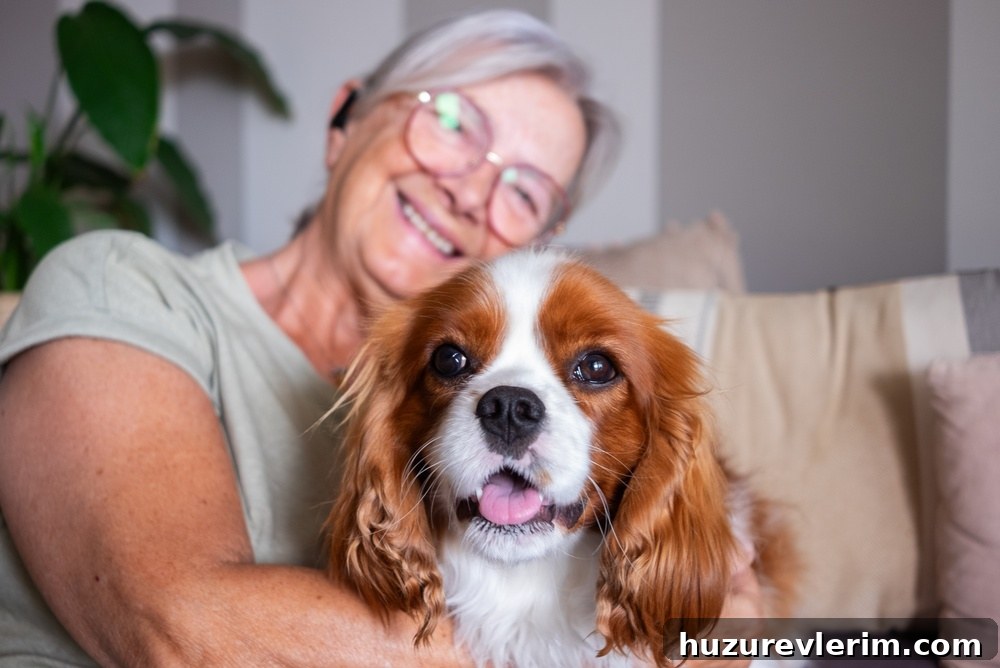
For many older adults, a pet is far more than an animal that shares their home. Dogs that insist on a morning walk, cats that curl up beside their owners, or smaller companions such as birds or fish often become central to daily life. Pets provide routine, connection, affection, and a sense of purpose — qualities that take on added importance during retirement, after the loss of a spouse or friends, or while adjusting to senior living.
At the same time, pet ownership requires time, money, flexibility, and the physical ability to meet an animal’s needs. Those responsibilities can become more challenging with age. Below, we examine how owning a pet can affect older adults, highlighting both benefits and practical considerations.
Research on pet ownership among older adults
Recent national surveys and studies shed light on how older adults view their relationships with pets. One large poll found that a majority of adults age 50 and older own a pet, and most of those owners report meaningful benefits: many say their pet gives them a sense of purpose and helps them enjoy life.
Survey respondents also reported that pets help them connect with other people, make them feel loved, reduce stress, and encourage physical activity and routine. These findings highlight how pets can play an active role in emotional wellbeing and daily structure for older adults.
Related: Do Retirement Communities Allow Pets? A Look at Senior Living Pet Policies
A furry friend to lean on
The sense of purpose a pet can provide is especially valuable during major life transitions. Retirement, moving to a new community, or losing a spouse can disrupt familiar routines and social ties. Caring for an animal creates reasons to get up, follow a schedule, and stay engaged with the world.
Pets also promote social interaction. Walking a dog often leads to conversations with neighbors and other dog owners, and simply having a pet at home offers companionship during times when an older adult might otherwise be alone.
Social connection is an important part of healthy aging, and pets can help facilitate those connections. While animals are not a guaranteed cure for loneliness, for people who enjoy them they often provide meaningful companionship and opportunities to interact with others.
Pets encourage movement, routine
Pets can support a more active lifestyle, particularly dogs that require regular walks. For many older adults, these daily activities add gentle physical movement and help establish a dependable routine.
Regular physical activity benefits brain and heart health, strengthens bones, improves balance, and supports independence. While a pet should not replace an appropriate exercise program tailored to an individual’s health and mobility, caring for an animal can complement other activity and structure in a day.
Related: Puppy Love: Pets Offer Numerous Benefits to Long-Term Care Residents
Researching pets’ impact on older adults’ cognitive, physical health
Some research has explored links between pet ownership and cognitive or physical health in older adults. For example, an analysis of participants in a long-term aging study observed slower cognitive decline and less decline in certain physical functions among pet owners compared with non-owners over several years.
These findings are promising but should be interpreted with caution. Much of the research is observational, meaning it identifies associations rather than proving cause and effect. Pet owners and non-owners may differ in other ways that influence health outcomes.
The practical takeaway is that pets can be one part of a healthy lifestyle that includes physical activity, social connection, routine, and emotional support — but they are not a guaranteed solution to prevent cognitive decline or extend lifespan.
Aging and pet ownership responsibilities
It’s easy to focus on the benefits and overlook the responsibilities. Polls show that a substantial share of older pet owners report financial strain from pet expenses, and many older adults without pets cite concerns about cost, time, and health as reasons not to adopt.
These practical realities are especially important when evaluating senior living options. Moving from a single-family home to a retirement community, assisted living, or another setting can change the logistics of pet care. Prospective residents should ask detailed questions about pet policies and everyday life for pet owners within a community:
- Are there restrictions on pet size, breed, or species?
- Is there outdoor space or designated areas for walking dogs?
- If a resident temporarily cannot care for a pet, can staff assist with certain tasks?
- What arrangements exist if a resident needs to spend time in a hospital or rehabilitation facility?
These questions are worth resolving before a move rather than after.
Related: Can Pets Slow Cognitive Decline Among Soloagers?
Planning for your pet’s future is part of planning for your own
Pets can live many years, and older adults should consider how long-term changes in mobility, finances, or housing might affect their ability to care for a companion. Adopting a young animal late in life can mean a long-term commitment extending into advanced age.
When planning, consider an animal’s size, exercise and training needs, expected veterinary expenses, food and medication costs, and how easily the pet could be cared for if the owner travels or is temporarily unable to provide care. Alternatives like fostering, pet sitting, or spending time with a friend’s or family member’s pet can offer many of the same benefits with less long-term responsibility.
As part of retirement planning, identify a trusted family member, friend, or neighbor who could care for the animal temporarily or permanently if needed. Discussing these arrangements in advance can provide peace of mind for everyone involved.
Related: Important Tasks Following a Death and How to Simplify the Process for Your Loved Ones
Pets and senior living: Looking at the big picture
For many older adults, moving into a senior living community does not mean giving up a beloved companion. Many communities are pet-friendly, allowing residents to retain the companionship, routine, activity, and social interaction that pets provide.
Choosing the right living option depends on both the person and the pet. A low-maintenance cat has different needs than a large, energetic dog. An independent older adult may manage pet care easily, while someone who requires help with daily activities might eventually need additional support for their pet’s care.
Rather than asking whether pets are simply “good” for healthy aging, it’s more useful to consider whether a particular pet, living situation, and level of responsibility fit an individual’s current circumstances and anticipated future needs. Healthy aging involves planning not only for housing and care but also for the people, activities, routines — and pets — that bring meaning to life, and making sure senior living plans can accommodate them for as long as possible.