According to AARP’s report “2021 Tech Trends and the 50+,” the pandemic accelerated seniors’ adoption of consumer technology. From smartphones and tablets to wearables such as the Apple Watch and Fitbit, more Americans age 50 and older are buying tech devices. The largest increase, however, has been in smart home technology.
Between 2019 and 2020, ownership of smart home devices among older adults nearly doubled, rising from 10 percent to 19 percent. Ownership of voice-activated home assistants (for example, Amazon Echo devices that respond to “Alexa…”) climbed from 17 percent to 29 percent during the same period.
Below is a practical look at the smart home landscape, common devices that benefit older adults, and how these technologies are being adopted in senior living communities.
The smart home technology landscape
Three major platforms dominate the smart home market: Amazon’s Alexa, Apple’s HomeKit (Siri), and Google’s Nest. Devices built for one platform often won’t integrate seamlessly with the others, so it’s important to research compatibility before buying.
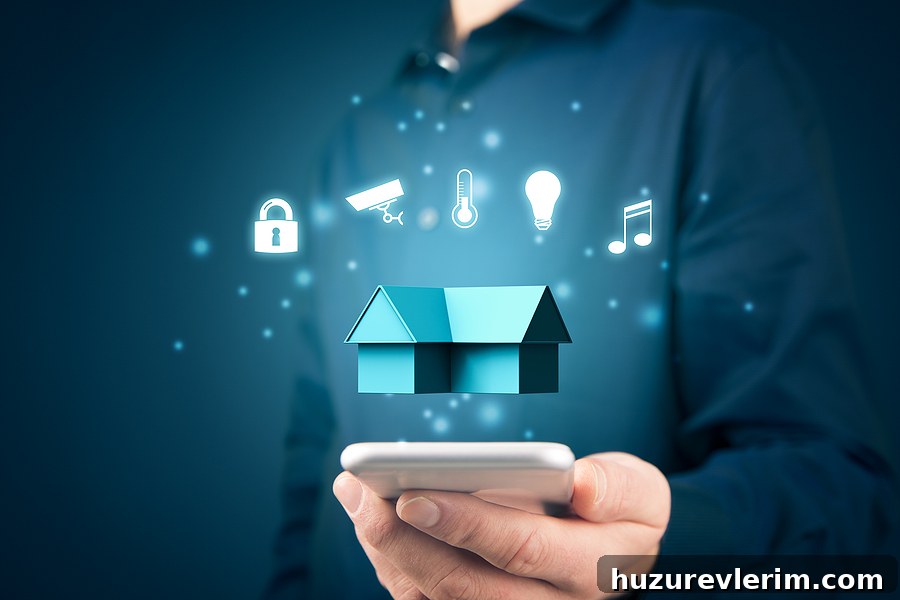
Many smart devices connect to a voice-activated speaker or display from the same manufacturer, allowing voice control for lights, thermostats, locks, and more. Each platform also offers a smartphone app to manage devices remotely, much like a TV remote but with greater reach and flexibility.
This ability to control devices by voice or app is one of the key advantages for older adults. It provides convenience—control from a chair, bed, or even from another city—and in many cases enhances safety by reducing physical strain and enabling remote monitoring when desired.
Popular smart home devices for seniors
Smart home products keep expanding, but several categories are particularly useful for older adults.
Voice-activated smart assistant with display
A smart speaker with a screen can perform many tasks: control connected devices, display family photos, play music, make video calls, provide weather and news updates, and set voice reminders for appointments or medications. For seniors with limited dexterity or reduced vision, voice control can be easier than using a smartphone app. These devices also support two-way communication, which can reduce the burden on long-distance caregivers and enable quick check-ins.
Smart lights and bulbs
Smart lighting lets you turn lights on and off, dim them, or set schedules from an app or by voice. Motion-activated options and outdoor floodlights often include integrated cameras or sensors. Smart lighting improves safety by preventing seniors from entering dark rooms or arriving to a dark house, lowering the risk of trips and falls.
Smart locks
Smart locks allow keyless entry via a code or app, removing the need to fumble for keys. Temporary or scheduled access codes can be issued to caregivers, delivery workers, or maintenance staff. Families can also set codes for first responders or relatives, enabling safe entry during emergencies without leaving spare keys unsecured.
Smart doorbells
Smart doorbells show who is at the door and often include two-way audio so you can speak with visitors without opening the door. For seniors with mobility challenges, this saves the effort of going to the doorstep. Paired with a smart lock, a doorbell plus remote access lets residents decide whether to grant entry from their chair.
Senior living communities are adopting smart technologies
As residents become more comfortable with technology, many continuing care retirement communities and other senior living providers are implementing smart home solutions. Amazon’s enterprise offering, Alexa Smart Properties, is one example: it places customized Echo Show devices in resident units and adds features tailored to community needs.
Beyond the usual smart assistant functions—device control, video calls, and web queries—enterprise solutions can support:
- Community announcements such as events and menu updates
- Two-way interactions for wellbeing checks, meal requests, maintenance, or transportation coordination
- Medication reminders and management with HIPAA-compliant workflows where required
Some communities also offer a technology concierge or staff member dedicated to helping residents learn devices, troubleshoot issues, and get the most benefit from smart systems.
Privacy concerns arise with in-home devices, but residents can usually control settings—such as disabling a camera or microphone—and enterprise systems often anonymize administrative data to protect privacy.
Smart home technology benefits seniors and their families
While life without smart devices is possible, these technologies can meaningfully improve quality of life. Smart devices offer convenience, safety, and social connection—helpful for seniors who are isolated, have mobility limitations, or face memory challenges. At the same time, remote access and monitoring features can ease the concerns of family members and caregivers, making smart home technology a practical win for seniors and their loved ones.