
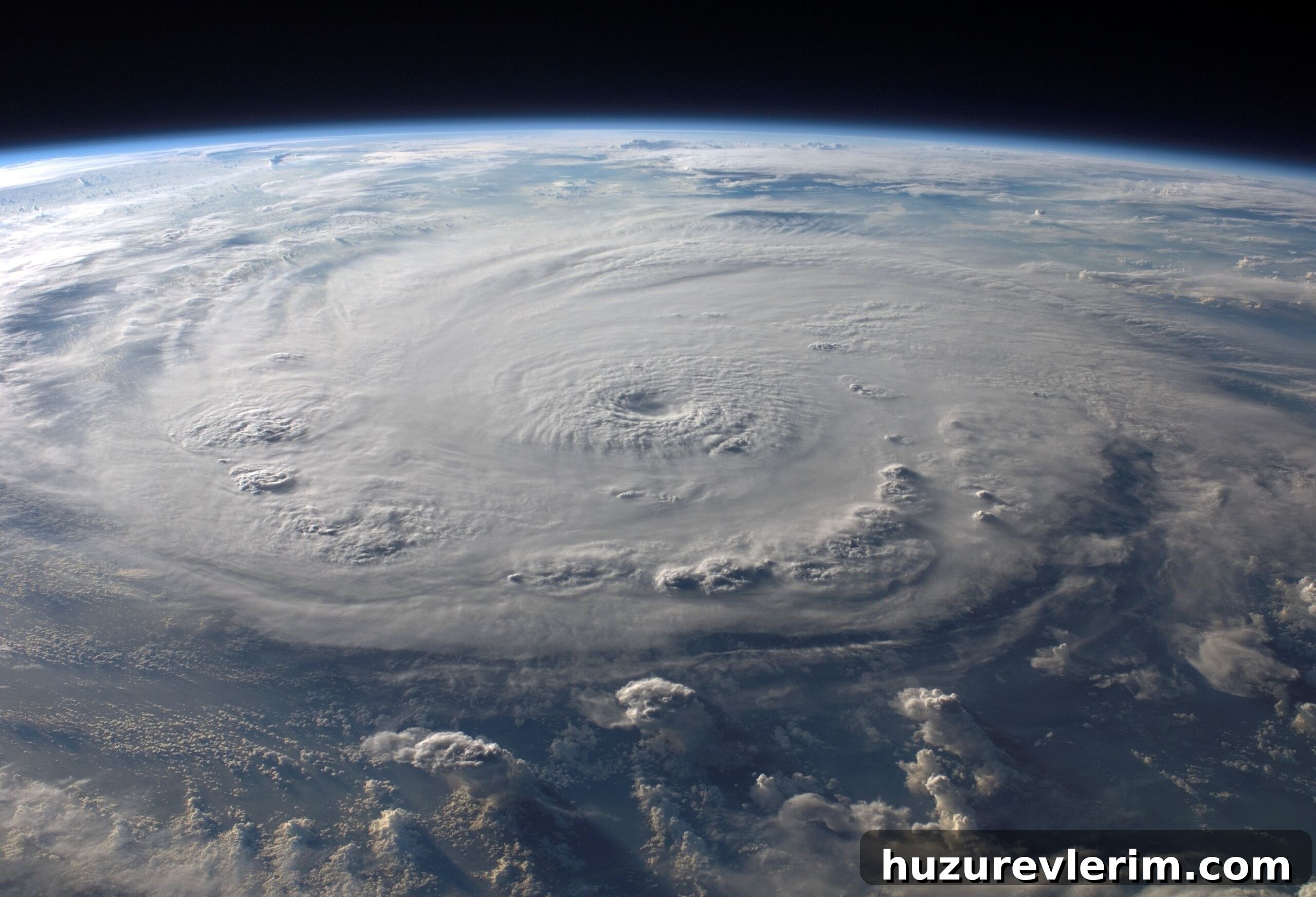
While states like Florida, Arizona, and Texas are popular retirement destinations for their year-round warm climates, Florida remains the top choice for many retirees. The state is home to about 3.6 million seniors and has the highest share of residents age 65 and older (roughly 20 percent). Only California has more senior residents in total. At the same time, events like Hurricane Irma exposed the challenges of preparing for and caring for a large elderly population during catastrophic weather.
You may recall the tragic case in Hollywood, Florida, where a nursing home lost air conditioning after Irma’s winds damaged electrical equipment. Although backup generators supplied power to part of the facility, a blown transformer left residents without cooling, and indoor temperatures approached 100 degrees for days. That heat exposure ultimately contributed to the deaths of eight residents.
The daunting task of evacuating so many seniors
Florida’s senior care infrastructure is extensive. According to state data, the state has hundreds of nursing homes, thousands of assisted living facilities, and dozens of continuing care retirement communities (CCRCs or life plan communities). Together these facilities provide well over 200,000 beds and house tens of thousands of older adults. In the three counties most affected by Irma—Broward, Miami-Dade, and Palm Beach—about half a million residents were age 75 or older. Some are healthy and independent, while others need significant medical or personal care.
Because so many retirees are transplants who moved to Florida from other states, they may lack nearby family or long-standing community ties to assist during emergencies. That isolation complicates evacuation and support efforts.
Many independent seniors resist evacuating because they don’t want to leave their homes unattended, underestimate the hurricane’s severity, or worry about being without refrigeration, cooling, or water after the storm. Others are physically unable to leave without assistance, lack transportation, or have no place to go.
Those living in nursing homes and assisted living facilities face additional hurdles. Residents who need limited assistance—those who use walkers, canes, or wheelchairs—still require help packing essentials and boarding transportation. People who need skilled, bed-level care must be moved by ambulance to other facilities or hospitals. Coordinating transport, medical records, medications, and caregiver support during a mass evacuation is a complex logistical challenge.
A no-win situation for Florida retirement communities
Many senior living communities invest heavily in emergency planning for hurricanes and other disasters, and in many cases residents were successfully relocated before Irma. Yet research has shown that evacuation itself carries risks for older adults. The physical and emotional stress of evacuation can lead to increased hospitalizations and even higher mortality within the month following relocation, particularly for frail elders or those with cognitive impairment.
Facility managers must weigh two difficult options when a storm approaches: shelter in place with the risks that entails, or evacuate and expose residents to the trauma and medical risks of relocation. Both choices can carry serious consequences.
Even when facilities follow legal requirements—maintaining emergency plans, backup generators, and supplies—unforeseen failures or infrastructure damage can have tragic outcomes, as the Hollywood incident demonstrated.
Don’t write off Florida just yet
No region is completely immune to natural disasters, and concerns about hurricanes have led some seniors to reconsider Florida as a retirement destination. That reaction is understandable, especially after high-profile storms. Still, the state has a long record of emergency planning and response, and catastrophic Category 5 hurricanes are rare; major storms of that intensity have not struck Florida frequently in recent decades.
Florida’s CCRCs and other senior communities continue to offer many benefits: warm weather, beaches, social and recreational activities, and a wide range of senior housing options. While recovery after a storm can be lengthy, many retirees still find Florida an appealing place to spend their retirement years.
Image credit: Pexels/Pixabay