Nursing homes have been in the headlines as they confront the consequences of the COVID-19 pandemic. These communities, home to many vulnerable residents, have been especially affected by a virus that is both deadly and highly contagious.
It’s understandable that people are reconsidering whether the benefits of living in a senior living community—such as a continuing care retirement community (CCRC or life plan community)—outweigh the risks of exposure in a multi-unit independent or assisted living environment. Some may view “aging in place” as the safer option, particularly during a pandemic.
A unique health challenge for senior living
There are valid points on both sides. In principle, the senior living industry is prepared to handle contagious illnesses like seasonal flu and stomach viruses. Well-run communities should have patient care and cleaning protocols designed to limit spread. However, the COVID-19 pandemic has exposed gaps in many places.
Across numerous states, those infection-control protocols have not always prevented outbreaks in nursing homes, which tend to house the most vulnerable people. In several locations, a large share of COVID-19 deaths have occurred among residents of group homes.
For some facilities, these tragic outcomes resulted from not following protocols properly. For others, the challenge has been different: asymptomatic transmission, shortages of personal protective equipment and sanitization supplies, and limited access to testing. These factors create a difficult environment for residents and staff across independent living, assisted living, and nursing care settings. It’s also important to note that residents’ experiences vary by level of care—those in independent living face different risks and routines than those in skilled nursing.
>> Related: Crunch the Numbers: Staying in Your Home vs. Moving to a CCRC
Issues tied to living in your own home
There is also a persuasive argument that living in a senior living community can be preferable to living alone during a health crisis. In a recent profile, Dallas CCRC resident and 94-year-old World War II veteran John Gould described how, despite changes to routines and postponed group activities, he feels supported by his CCRC “family.” He notes that neighbors in independent living share both good and bad times and will get through the crisis together.
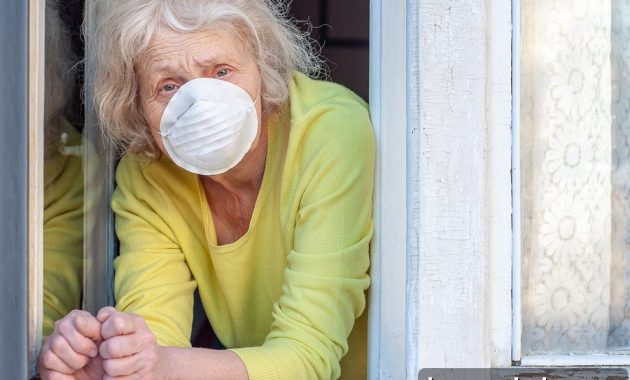
Gould observed that older people living alone—worrying about utilities, trip hazards, or lacking a support system—are especially vulnerable. Seniors who live home alone without regular help are likely feeling fearful and isolated right now.
Those observations echo what many retirement community residents report. While AARP surveys indicate that most seniors prefer to remain in their homes as they age, the pandemic has highlighted several downsides to that choice.
Social isolation and loneliness
Loneliness and social isolation carry well-documented mental and physical health risks. A 2019 University of Michigan survey found more than a third of adults ages 50 to 80 reported feeling lonely. Among adults living alone, 60 percent reported lacking companionship and 41 percent reported feeling isolated—results collected before the pandemic and related quarantines.
Seniors living alone are likely to be disproportionately impacted by isolation now. Many relied on community centers, houses of worship, and group activities for social interaction, and many of those venues have been closed. Studies link loneliness to higher risks of depression, dementia, cardiovascular disease, and other health problems. The long-term health consequences of prolonged isolation could be severe for some seniors.
By contrast, residents like Mr. Gould benefit from a built-in sense of community within CCRCs, even if visitor restrictions and activity changes have been necessary. That social support—neighbors checking in, shared resources, staff assistance—can reduce loneliness and help sustain mental and physical well-being during extended periods of social distancing.
>> Related: The Value of a Solid Support System During Retirement
Nutrition
Maintaining nutritious meals is another concern for seniors living alone. While some stores offer senior-only shopping hours, public trips still pose exposure risks. Grocery and meal delivery services can help, particularly in urban areas, but they may be costly and raise questions about sanitation practices.
Even before COVID-19, proper nutrition was an issue: obesity rates among adults 60 and over were high, while the share of underweight seniors was growing. Pandemic-related shopping restrictions and fears may worsen these trends.
In contrast, many CCRCs provide professionally prepared meals overseen by nutrition staff. Although communal dining rooms may be closed or limited, communities have adapted by delivering meals to residents’ doors and offering grocery shopping and delivery services—often with trained staff following sanitation protocols. These services help ensure consistent access to balanced nutrition.
>> Related: Ensuring Proper Nutrition for Seniors (…and How CCRCs Can Help)
Care needs
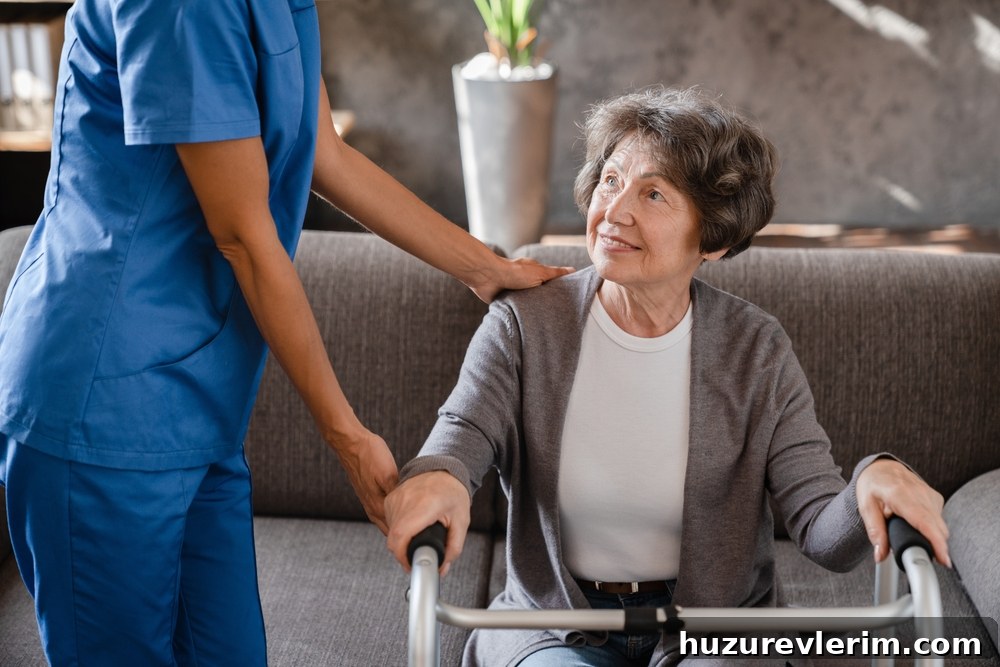
A substantial share of people over 65 will need long-term care at some point, requiring help with activities of daily living like bathing, dressing, and eating, or with instrumental tasks such as finances and household chores. For seniors living at home, care needs don’t pause for a pandemic. Their options are limited: continue in-home caregivers (with exposure risks), hire full-time help (often prohibitively expensive), or forgo needed assistance—each with its own dangers.
Repeated visits from different caregivers can increase exposure risk. By contrast, CCRCs and senior living communities can centralize care, enforce consistent infection-prevention practices, and limit the number of different caregivers entering residents’ personal spaces. Many communities have implemented daily staff health screenings, temperature checks, enhanced PPE use, and strict sanitation routines to protect residents.
>> Related: Improving the Image of Nursing Care & Assisted Living
No perfect solution
There are no easy answers to a challenge as complex as the COVID-19 pandemic. The virus is difficult to contain because it can range from asymptomatic to life-threatening. Older adults, particularly those over 60 or with pre-existing conditions, face the highest risk of severe illness and death.
Seniors living at home—especially those who are isolated or require regular assistance—may experience fear, loneliness, and practical difficulties such as obtaining groceries or attending medical appointments. These stresses can lead to long-term health consequences.
Senior living communities face their own risks because they bring together vulnerable residents in closer quarters. Nursing homes have been especially affected, and outbreaks there often involve residents who are at highest risk for severe outcomes.
Although there is no perfect option, when comparing living alone at home versus living in a CCRC or other senior community, many of the benefits of community living—social support, reliable nutrition services, coordinated care, and centralized infection-control practices—can outweigh the drawbacks. For many seniors, those advantages may make a CCRC the preferable choice during the current public health crisis.