
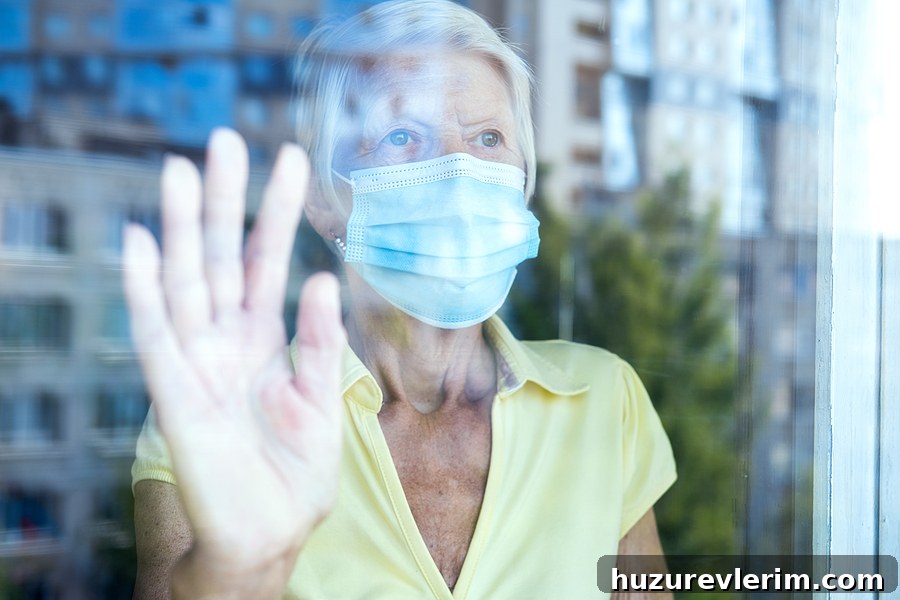
As COVID-19 cases rise again with the Delta variant, hospitals in many areas are under strain and the unvaccinated remain especially vulnerable. It’s understandable to feel anxious reading about renewed restrictions and remembering the isolation many experienced earlier in the pandemic. Yet there is an unexpected bright spot: residents of senior living communities are reporting better-than-expected outcomes in areas like loneliness and satisfaction.
A large survey by Activated Insights of more than 64,000 residents and family members in senior congregate settings (including 55+ independent living, assisted living, and continuing care retirement communities, though not nursing home residents for this particular study) found that only about 20 percent of residents described themselves as “severely lonely.” That figure is lower than some pre-pandemic research: for example, a 2018 study reported up to 29 percent of residents in subsidized senior housing felt severely lonely.
Satisfaction with senior living
Alongside the surprising results on loneliness, the senior living sector also scored well for overall satisfaction. Many communities—especially nursing homes—were hit hard early in the pandemic as staff and residents contracted the virus, but respondents to the Activated Insights survey still expressed strong approval. Some 87 percent of residents and family members said they would recommend their community to a friend, and the same share rated their organization as “good” or better.
Respondents also emphasized the social benefits of community life. Between 60 and 70 percent said the best aspect of where they live related to belonging, community connections, appreciation for staff, and feeling safe. To put this in perspective, in pre-pandemic surveys those themes accounted for 20 percent or fewer of such responses.
>> Related: The Value of a Solid Support System During Retirement
Benefits of the senior living experience
The Activated Insights findings reveal a different reality than the common stereotype of the isolated, dejected senior. While some residents have undeniably suffered—facing separation from loved ones, illness, and loss—those experiences appear to be less typical than often portrayed. Instead, a larger share of senior living residents reports increased wellbeing over the past year, citing strengthened friendships, deeper appreciation for staff and neighbors, and gratitude for safety and support.
These positive shifts likely reflect human resilience. Across history, people frequently come together when confronted by shared threats, building mutual support and community bonds—seen in past crises such as World War II, the polio epidemic, and the aftermath of 9/11. That same communal response is visible today in many senior living environments.
>> Related: Lessons in Resiliency from Senior Living Communities
The resilience of the human spirit
The pandemic has been a trying time for nearly everyone, and the senior living industry has learned hard lessons that should inform future improvements. Still, it’s important not to overlook the many benefits residents are experiencing now. The Activated Insights survey highlights renewed resilience, growing hope, and renewed gratitude among a significant portion of senior living residents.
Rather than defaulting to ageist assumptions about loneliness and decline, media, providers, and communities might do better to highlight these stories of connection and strength. Focusing on the resilience and wellbeing many older adults are finding in supportive community settings will give a fuller, more accurate picture of life in senior living during the pandemic and beyond.