
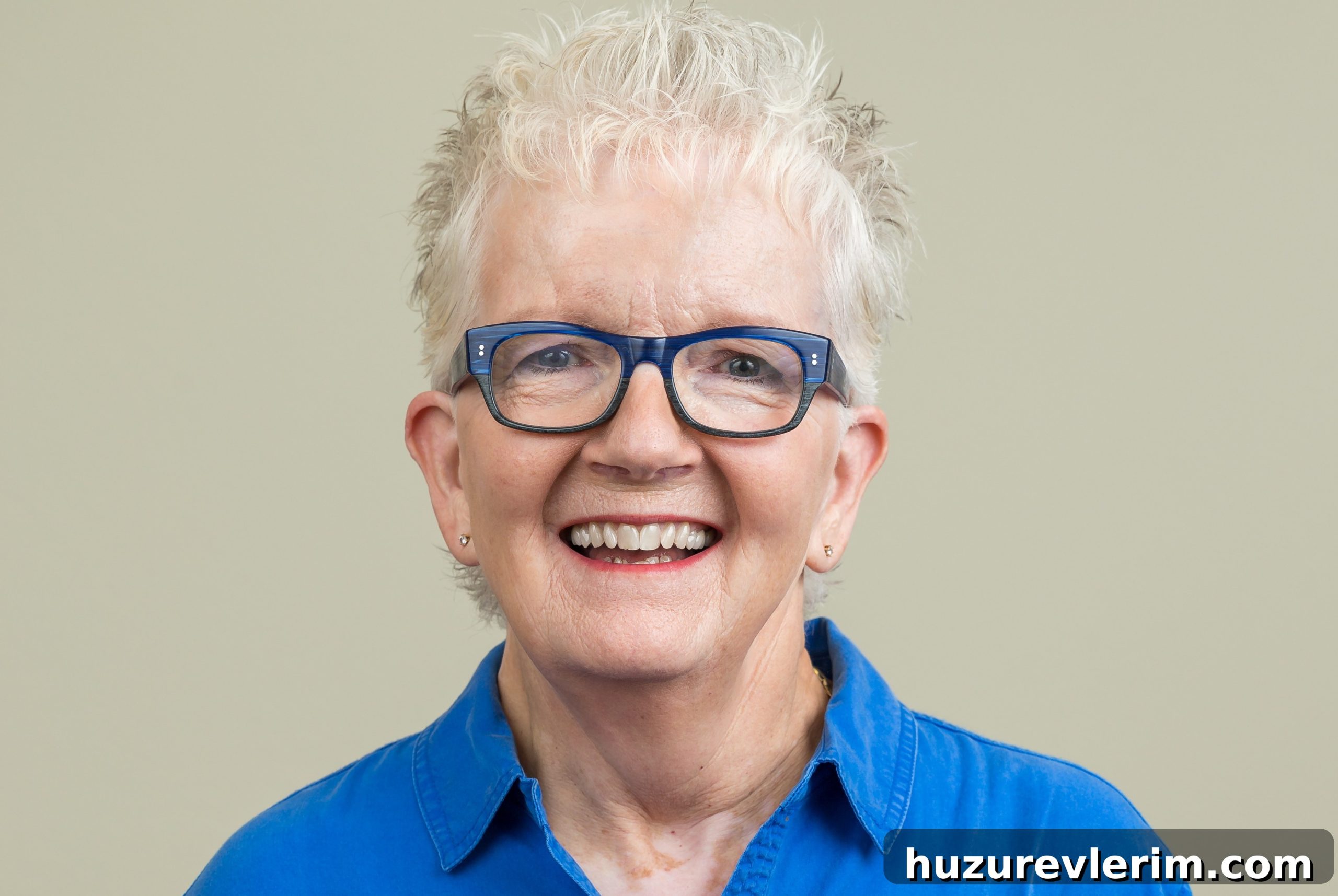
By Claudia Rumwell
When my husband and I began researching continuing care retirement communities (CCRCs), our friends were puzzled. They thought we were too young to be thinking about retirement communities and casually dismissed our plans as preparing for an “old folks home.”
Our motivation came from personal experience. Over many years I traveled frequently from Portland to Spokane to support my aging parents. What began as visits every six to eight weeks grew into monthly trips as their health needs increased. Over a decade I helped coordinate their moves—from their house to a retirement apartment, then to assisted living, through hospital stays, and finally to extended care where they lived together until my father passed in 2008 and my mother in 2011.
Those years taught me a great deal about navigating the health care system, advocating for loved ones, and planning for changing needs. Out of that experience I created the “Senior Care Organizer,” a practical guide for caregivers. I also began giving presentations to help others prepare for senior care decisions.
My husband Mel’s experience was instructive too. His mother made a deliberate move to a CCRC at 82 because she recognized she would need increasing levels of support. She planned ahead, stopped driving when it wasn’t safe, and adjusted her life proactively. Her choices showed us that planning early can make aging more manageable and dignified.
We wanted that same proactive approach for ourselves. We didn’t want our children to be put in the difficult position of making rushed decisions for us. We aimed to make thoughtful choices while we were still healthy and able to evaluate options—a gift to our family and a way to avoid waiting until a crisis forced a move.
We began our search online, focusing on CCRCs in Oregon, then Nevada, and finally Arizona. Our process was methodical and geared toward comparison and clarity. For each community we considered we:
- Reviewed the website thoroughly.
- Contacted the community and spoke with the marketing office.
- Requested printed information packets.
- Compiled a list of questions and created a comparison table, using suggested question lists from reputable sources and CCRC sites.
- Visited communities when possible, often arranging overnight stays to get a real sense of daily life.
- Prioritized questions about financial stability, long-term planning, and staff continuity, asking the same core questions of every community and recording the answers.
- Spoke directly with residents whenever we could to hear their perspectives.
Among the communities we evaluated, Royal Oaks Lifecare Community stood out. Even though it was in a different state, it consistently rose to the top of our list. We had several reasons for choosing Royal Oaks after three years of research.
The community demonstrated strong ratings and a high standard of care. Evidence of financial stability and solid infrastructure with thoughtful future planning reassured us. We appreciated the professionalism and warmth of the staff and administrators—trust and rapport mattered. Additionally, Royal Oaks offered single-family houses, which suited our preference to avoid apartment living at that stage.
We moved to Royal Oaks two years ago. I am 76 and Mel is 71, and we both feel we made the right decision at the right time. Preparing ahead has given us a sense of security, continuity of care, and a better quality of life. We’ve formed meaningful friendships and feel part of a community that supports active, engaged living.
Royal Oaks is far from being an “old folks home.” It has brought enrichment and peace of mind to our lives, and we’re grateful we began planning early instead of waiting until it was too late.
About the writer
Claudia lived most of her life in Washington and Oregon before moving with her husband to Arizona two years ago. She is a registered nurse, educator, author, and patient advocate with more than 40 years of experience working with seniors. For two decades she served with the Division of Vascular Surgery at Oregon Health & Science University in Portland as a vascular nurse coordinator, researcher, and surgical instructor. Since 2008 she has focused on senior care, educating families and presenting on senior care preparation.