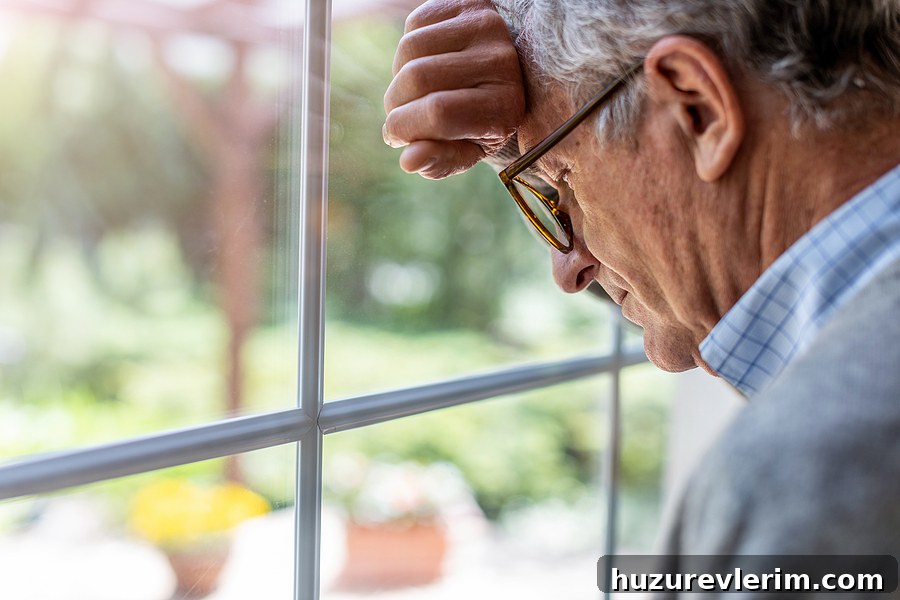
Feeling more anxious lately is common — you’re not alone. The COVID-19 pandemic has increased stress and anxiety for many people. Anxiety can present in different ways: persistent worry, nervousness, irritability, trouble concentrating, sleep disturbances, or a sense of impending danger. Physical symptoms often accompany anxiety, including:
- Faster heartbeat
- Rapid breathing, sweating, or trembling
- Weakness or persistent fatigue
- Gastrointestinal discomfort
- Changes in appetite, eating too much or too little
- Increased use of alcohol, tobacco, or other substances
Surveys and studies show an increase in anxiety symptoms across the population. Many people worry about becoming infected, becoming seriously ill, or about loved ones getting sick. Beyond health fears, the pandemic has caused job losses, social isolation, and concerns about food security, all of which contribute to stress and mental health issues. Large-scale surveys during the pandemic found sizable portions of adults reporting symptoms of anxiety and depression related to these circumstances.
>> Related: A Sense of Wellbeing Leads to a Longer Life: How CCRCs Can Help
Seniors not reporting anxiety symptoms?
When looking at age groups, an unexpected pattern emerges: older adults, especially those 80 and above, have reported lower rates of anxiety and depression in some surveys, despite being at higher risk of severe illness from COVID-19. Several explanations might account for this discrepancy.
Some research suggests older adults often report greater emotional well-being than middle-aged groups, while other studies indicate that anxiety prevalence among seniors can be similar to other adults. One plausible reason for lower reported rates in surveys is underreporting: seniors may be less likely to acknowledge or disclose mental health struggles to researchers or clinicians. This reluctance can lead to anxiety being underdiagnosed and undertreated in older populations.
>> Related: Seniors’ Relationship with Their Primary Care Doctor is Key
Getting past mental health stigmas
Many older adults grew up with messages that discouraged expressing emotional distress. For some, admitting to anxiety or depression felt like a sign of weakness. These long-standing stigmas can prevent people from seeking help.
Today we understand that anxiety and other mental health conditions are real medical concerns, not character flaws. Older adults may face unique triggers for anxiety, such as losing friends and family, managing chronic illness, or coping with cognitive changes. Anxiety is also common among those living with dementia.
Like diabetes or high blood pressure, anxiety is a treatable health condition. Lifestyle changes, therapy, and — when appropriate — medication can all help reduce symptoms and improve daily functioning and overall quality of life.
>> Related: Research Continues to Find Benefits of Retirement Communities
Simple ways to help reduce anxiety
Public health agencies recommend practical steps to manage stress and anxiety during challenging times. Helpful strategies include:
- Know what to do if you or someone you care for becomes sick. Contact a health professional before starting any self-treatment for illness.
- Find out how to access treatment and support services, including counseling or telehealth options.
- Prioritize emotional health — it helps you think clearly and respond to important needs.
- Limit exposure to news and social media if constant updates cause distress.
- Take care of your body:
- Practice deep breathing, stretching, or meditation.
- Eat balanced, nutritious meals.
- Exercise regularly, as able.
- Maintain a regular sleep schedule.
- Avoid excessive alcohol or drug use.
- Make time for enjoyable activities like cooking, reading, or listening to music.
- Stay connected. Share your feelings with trusted friends or family.
- Engage with community or faith groups, using phone or online options while social distancing is necessary.
>> Related: Senior Wellness Programs: Good for CCRC Residents & The Bottom Line
Don’t suffer in silence
If self-care strategies aren’t enough, speak with your doctor. They can suggest additional lifestyle changes, recommend counseling, or consider medication when appropriate. You don’t need to cope alone — addressing anxiety can greatly improve both quality and length of life for many people.