
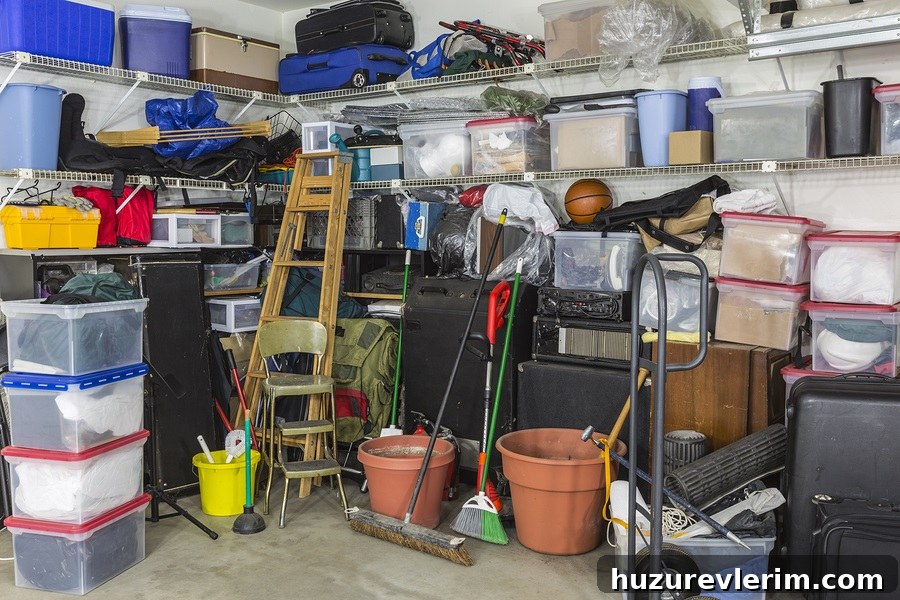
For many older adults, a home holds a lifetime of memories—and an abundance of stuff. Photographs, children’s artwork, out-of-style clothes in the attic; holiday decorations, knickknacks, and forgotten toys in the basement; furniture and dusty bikes in the garage. Closets, drawers, and the space under beds often hide even more.
Time well spent for the long run
There are several practical and emotional reasons seniors should consider decluttering and cleaning their homes. Taking time now to sort through possessions can make future transitions easier, reduce stress, and improve quality of life.
It’s a labor of love
Anyone who has had to clear a loved one’s home after an unexpected illness or death understands how challenging that process can be. Sorting through belongings at such a time is emotionally taxing for family members. Doing this work together while you can still participate gives you the chance to share memories and preserve meaningful items intentionally.
You’ll be ready to put your house on the market
Whether you plan to move to a smaller home, a retirement community, or stay where you are, there may come a time when you need to sell. Homes that are clean, uncluttered, and well-organized are easier to prepare for sale and tend to attract more buyers. Decluttering ahead of time simplifies staging and reduces the workload if a move becomes necessary.
Prepare to downsize
Downsizing in retirement often means living with less square footage—and fewer possessions. Starting the decluttering process early helps you identify what truly matters, making future moves less stressful and more manageable.
Reduce stress and improve mood
Research links clutter to increased anxiety, depression, and feelings of overwhelm. Many people find that clearing clutter and cleaning their space reduces stress and boosts well-being. The physical activity involved can also be a mild calorie-burner and leave you feeling accomplished.
Give items a new life—and get a tax deduction
If you no longer need or want certain items, consider donating them to charity. Many organizations accept gently used furniture, clothing, and toys. Donating not only benefits others but may also qualify you for a tax deduction—check current tax rules for details.
Reduce allergens and improve air quality
Unused items can collect dust, pollen, mold, and other allergens. Clearing clutter and thoroughly cleaning storage areas can reduce these contaminants, improving indoor air quality and making it easier to breathe—especially important for those with allergies or respiratory conditions.
Roll up your sleeves
A major decluttering project can feel overwhelming, so organization experts recommend making a manageable plan and focusing on one area at a time.
- Choose a day or weekend and pick a single area to tackle—attics, basements, or closets are often good starting points.
- Gather supplies: sturdy garbage bags, boxes, tape, markers, paper towels, and cleaning products.
- Sort every item in the chosen area into four categories: Keep, Sell, Donate, or Trash. A useful guideline is that if you haven’t used or opened something in a year, it’s probably not essential.
- If you’re uncertain about an item, place it in a temporary Keep box and plan to revisit it in a month. Time often makes the decision clearer—many items in that box can usually be let go.
- Make the process enjoyable: play upbeat music, invite a friend to help, and plan a small reward at the end of the day, such as a favorite treat or a nice meal out.
- Consider inviting adult children to join the sorting. They may want to claim family items, which can help ease decisions and ensure treasured things go to those who appreciate them.
Decluttering guides and room-by-room checklists can help structure the work and keep momentum going.
While it’s important to preserve priceless heirlooms and meaningful mementos, many people discover that once they clear out excess belongings, they don’t miss what’s gone. The result is a more comfortable, manageable home and a satisfying sense of accomplishment.