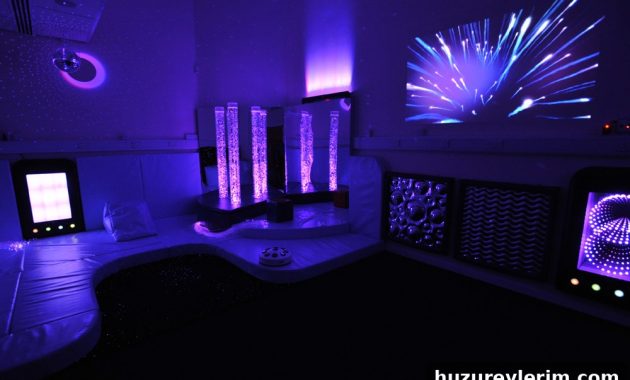
(Photo credit: snoezelen.info)
Dementia is a broad term covering memory loss and other cognitive declines that interfere with daily life. In the United States, dementia’s impact has grown considerably: deaths from Alzheimer’s disease—the most common form of dementia—increased sharply between 2000 and 2017. Alzheimer’s now ranks among the leading causes of death, and many older adults live with some form of dementia in their final years.
Although there is currently no cure, several non-drug therapies are showing promise at easing common dementia symptoms such as anxiety, agitation, irritability, and aggression. One of these approaches is Snoezelen therapy, an immersive sensory method designed to calm and engage people with cognitive impairment.
>> Related: When Memory Issues Are Cause for Concern
Unique dementia therapies
Snoezelen (pronounced “SNU-ze-len”) is a Dutch word formed from “snuffelen” (to explore) and “doezelen” (to doze or relax). A Snoezelen room is a controlled multisensory environment that combines lighting effects, visual displays, aromatherapy, sounds, colors, and varied textures to stimulate the senses in a gentle, non-threatening way.
The concept originated in the Netherlands in the 1970s to help people with developmental and cognitive disabilities. Early feedback from those users was positive, and clinicians and researchers later began to explore Snoezelen’s use with people living with dementia.
Clinical research is still limited, but small studies and clinical observations report encouraging results. For example, a 2018 study in Spain observed immediate improvements in mood and behavior among dementia patients after spending time in a Snoezelen room; additional measures such as increased blood-oxygen saturation and reduced heart rate indicated physiological relaxation.
Because Snoezelen therapy is non-invasive and adaptable, many long-term care and memory care facilities worldwide have incorporated these specialized rooms to support residents with dementia.
>> Related: The Benefits of Customized Care in Special Care Units
Benefits to quality of life
More research is needed to define Snoezelen’s full potential, but the therapy is notable for producing positive effects without the side effects associated with medications. Observed benefits include:
- Increased sensory input: Many people with dementia experience sensory deprivation. Whereas the average person may touch hundreds of surfaces in a short period, some dementia patients touch only a few. The variety of stimuli in a Snoezelen room can increase alertness and help participants better perceive their surroundings.
- Improved communication and connection: The shared sensory experience can encourage both verbal and nonverbal interaction, strengthening the bond between resident and caregiver during and after sessions.
- Reduced agitation and anxiety: Symptoms that often worsen in the late afternoon or evening—known as sundowning—may be eased by the calming stimulation provided in a Snoezelen environment, leading to lower anxiety and improved mood.
You can learn more about Snoezelen rooms and their applications from organizations that specialize in multisensory environments.
>> Related: Game On: Can Brain Games Improve Your Memory?
Other therapeutic alternatives for dementia patients
Alongside Snoezelen therapy, many memory care programs are adopting other creative, non-pharmacological approaches to enhance quality of life for people with dementia. Art and music therapy, animal-assisted therapy, guided meditation, and scent-based reminiscence interventions are increasingly common. These therapies aim to evoke positive memories, reduce stress, and promote engagement without medication-related risks.
While further study is necessary to establish definitive evidence for each method, these low-risk, person-centered approaches—including Snoezelen rooms—offer promising options for managing behavioral symptoms and improving daily life for people living with dementia.