
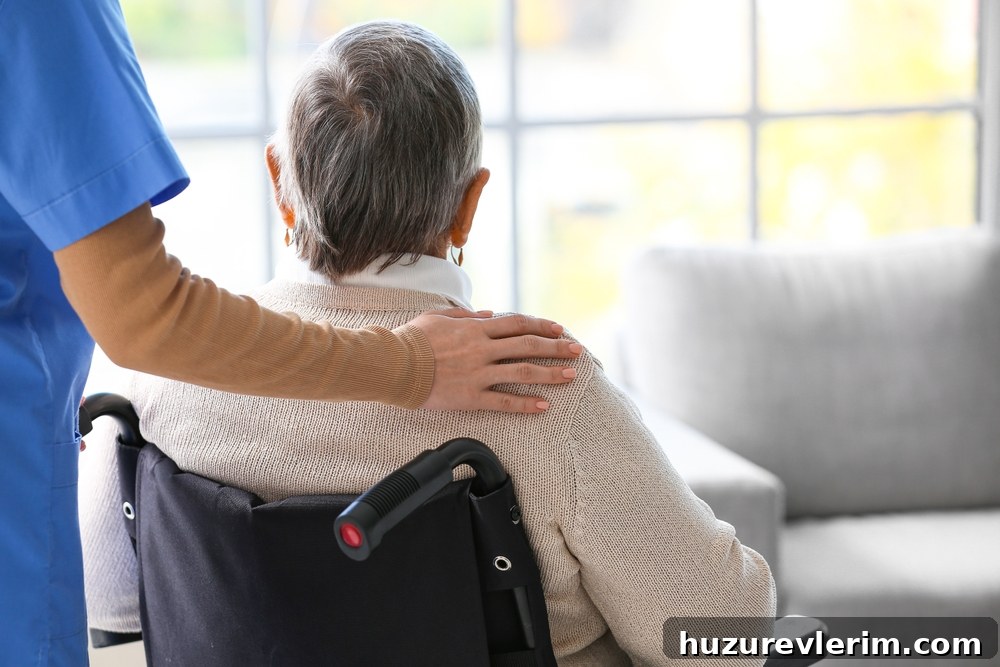
For many older adults, home is more than a physical place: it’s familiarity, routine, independence, memories, and identity. When illness, hospitalization, a fall, or cognitive decline forces an unexpected move into assisted living, memory care, or a skilled nursing facility, the emotional impact can be profound. This response—often called “transfer trauma” or “relocation stress syndrome”—is a real psychological reaction to an abrupt or unwanted change in living environment.
Families understandably concentrate on practical concerns—medical care, safety, finances, and support—but the emotional effects of relocation are frequently underestimated. Recognizing the reality of transfer trauma helps older adults and their loved ones make more thoughtful decisions, prepare emotionally, and lower the risk of distress during a major life transition.
What is ‘transfer trauma’?
Transfer trauma refers to the emotional and physical stress some older adults experience after moving from one living situation to another, especially when the move is sudden, involuntary, or driven by declining health. It commonly occurs with transitions into assisted living, memory care, rehabilitation centers, or nursing homes.
Geriatric medicine and nursing research have long documented this phenomenon. Studies report that a significant portion of residents who transfer between facilities meet criteria for transfer trauma, and new residents across long-term care settings often experience increased anxiety and depression during their first year.
Understanding transfer trauma gives families context for behaviors that may otherwise seem puzzling during the early weeks and months after a move.
Symptoms to watch for
Transfer trauma can present differently depending on the person, but common signs include:
- Increased anxiety, agitation, or fear
- Refusal to eat or participate in activities
- Sleeping much more or much less than normal
- Heightened confusion, disorientation, or forgetfulness
- Depression, tearfulness, or expressions of hopelessness
- Anger or aggression toward family or staff
- Sudden decline in mobility or self-care
- Repeated requests to “go home”
- Withdrawal from social interaction
Families and caregivers should monitor for these changes in the days and weeks after a move. Because some symptoms overlap with medical conditions such as depression or dementia progression, continuing communication with healthcare providers is important following any major transition.
Why sudden or unplanned moves can be difficult
A move later in life is rarely “just a move.” Older adults often experience relocation as a loss of independence, privacy, familiar routines, community, pets, possessions, and control over daily life. When a move follows hospitalization, injury, or a stroke, resilience may already be depleted, intensifying emotional reactions.
For people with cognitive impairment or dementia, disruption of familiar surroundings can be especially damaging. Familiar environments serve as anchors for memory and orientation; a sudden change may increase confusion, wandering, agitation, and fear.
Even when older adults understand why a move is necessary, they may still feel grief and resistance. Adult children are often surprised when a parent who accepts the need for more help reacts with anger, sadness, or emotional withdrawal after moving into a care community. These responses are common and should not be dismissed as stubbornness or ingratitude.
Emotional distress tends to worsen when older adults feel they had little choice. Loss of autonomy is closely tied to the intensity of negative emotions during care transitions.
Reducing the risk of transfer trauma
Not every person who moves to a senior living community experiences transfer trauma. Many people report relief when isolation decreases and access to care and safety improves. Still, there are clear steps families can take to reduce emotional distress and promote a smoother adjustment.
Plan ahead
Start planning early. Conversations about future care preferences should occur before a crisis whenever possible. Waiting until after hospitalization or emergency situations often forces rushed choices with fewer options.
Maximize autonomy
Include the older adult in decisions to the greatest extent possible. Even small choices—selecting a room, bringing cherished furniture, or choosing a move-in date—help restore a sense of control and dignity.
Make it feel like home
Bring familiar items into the new environment: photographs, blankets, artwork, favorite music, and meaningful possessions can make the space more comforting. Regular visits from loved ones during the adjustment period also support emotional stability.
Take it slow
When feasible, allow gradual transitions. Touring communities in advance, arranging trial visits, or scheduling short respite stays can reduce fear of the unknown and improve readiness.
Focus on the positives
How the move is discussed matters. Emphasize benefits—more support, social connection, enhanced safety, less stress, and better access to medical care—without minimizing legitimate feelings of loss. Avoid dismissive phrases like “you’ll be fine” that can invalidate grief or fear.
Choosing the right senior living environment
Selecting a setting that aligns with an older adult’s goals and needs reduces the likelihood of transfer trauma. Assisted living supports people who need help with activities of daily living while retaining independence. Memory care specializes in the needs of those with dementia. Skilled nursing facilities provide more intensive medical and rehabilitative care. Continuing care retirement communities (CCRCs) offer independent living plus a continuum of care options.
When evaluating communities, consider not only clinical services but also emotional and social supports. Useful questions include:
- How does staff support new residents during transitions?
- Are orientation or buddy programs available?
- What social engagement opportunities exist?
- How consistent is staffing?
- Are families encouraged to visit and participate in care planning?
Communities that prioritize person-centered care and emotional adjustment help residents adapt more quickly.
The support system needed to head off transfer trauma
Sometimes a move becomes unavoidable: a fall, hospitalization, caregiver burnout, or worsening cognitive decline can create urgent safety concerns. Such unexpected changes can trigger grief, anxiety, confusion, and a deep sense of loss for older adults, and guilt or stress for families.
It’s important to remember that needing more care is not a personal failure—for the older adult or their loved ones. The shared goal is to provide appropriate care and support in a safe environment while preserving dignity, identity, and quality of life.
Adjustment takes time. Some people settle in within weeks; others need months. With thoughtful planning, compassionate communication, and empathetic support, families can reduce emotional strain and help older loved ones navigate transitions more successfully.
Preventive conversations about aging and long-term care before they become urgent ensure everyone understands preferences and goals and can often reduce or prevent transfer trauma. Families who prepare ahead are better equipped to support their loved ones through senior living transitions with patience, compassion, and respect.