
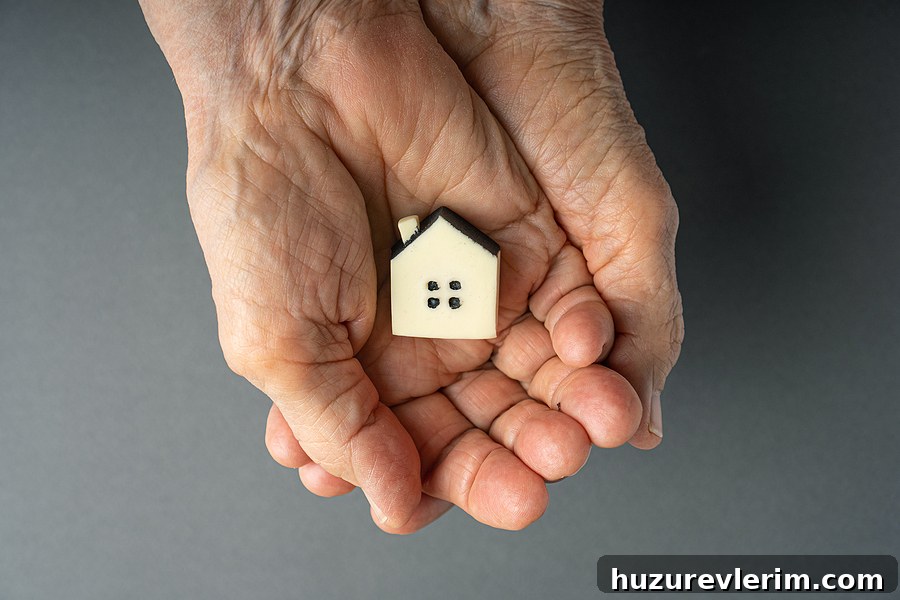
“There’s no place like home,” Dorothy says at the end of The Wizard of Oz, after she wakes up safe and sound in her bedroom in Kansas. Many people share Dorothy’s sentiment about their own homes. No matter how much I enjoy travel, I always look forward to returning to the comfort and familiarity of my own house.
On a deep, instinctive level, our homes provide a sense of security. Familiar sights, smells, and sounds, along with cherished memories, create feelings of safety and contentment. We know our neighbors, the closest grocery store, and the best nearby restaurants. Daily life is simply easier when you feel at home.
That sense of comfort is why most seniors express a desire to age in place. It’s also why many in the senior living industry refer to a person’s current home as a retirement community’s main “competitor.” I’ve heard that idea repeated often by community representatives.
However, I don’t think that perspective fully captures what’s happening. Let me explain.
The heart of the matter
The real question retirement communities should ask is: what turns a house, apartment, or condominium into a home? It may not be the physical dwelling that competes with a retirement community so much as the concern that a new community won’t feel like home.
Home is more than walls and a roof; it’s a refuge from life’s storms. It’s where we feel safe and emotionally connected, where we build memories with family, neighbors, and friends. Home truly is where the heart is.
At the same time, a home reflects who we are. It shows our tastes and preferences through paint colors, furniture, artwork, and treasured possessions. Our living spaces become personal canvases where we arrange our lives and display what matters to us.
A hospitable environment for a new home
That blend of emotional connection and personal expression is where a senior’s current residence and a retirement community can come into competition. For many potential residents, the deciding factor is whether a new place can deliver the same sense of belonging and personalization.
Senior living communities have the responsibility to create environments that feel welcoming and truly home-like. Rather than trying only to out-compete a person’s house with amenities, communities should focus on how they help new residents feel settled and comfortable.
Here are several practical ways communities often help new residents make a smooth transition:
- Providing access to a move-in coordinator who assists with logistics and planning so the move is less stressful
- Allowing residents to make cosmetic changes—such as paint colors, window treatments, and wall décor—with any related costs and policies clearly outlined in contracts or materials
- Establishing welcome committees or buddy programs that pair newcomers with established residents to help them acclimate socially
- Designing sidewalks and walking trails to encourage walkability, social interaction, and physical activity
- Offering on-campus guest suites so visiting family members have convenient, comfortable accommodations
- Permitting pets and providing areas for walking and play to keep companions included in daily life
- Creating community gardens and shared outdoor spaces that encourage involvement and connection
Those are just a few examples; many communities develop creative, tailored approaches to help residents feel at home. It takes time for any residence to become truly personal, and the memories of a previous home can’t be instantly recreated. But that is true of any move, not only a move into a retirement community. This suggests the challenge is less about the house itself and more about how communities help people build a new sense of home.
There’s no place like home
Some retirement communities already excel at helping residents “nest” in their new living spaces, using these strategies and others to build belonging and comfort.
The senior living industry as a whole needs to better communicate how communities support new residents through the transition. Moving is a change, and change can be difficult, but with thoughtful programs, clear policies, and welcoming practices, a retirement community can become more than a place to live—it can become a true home.