
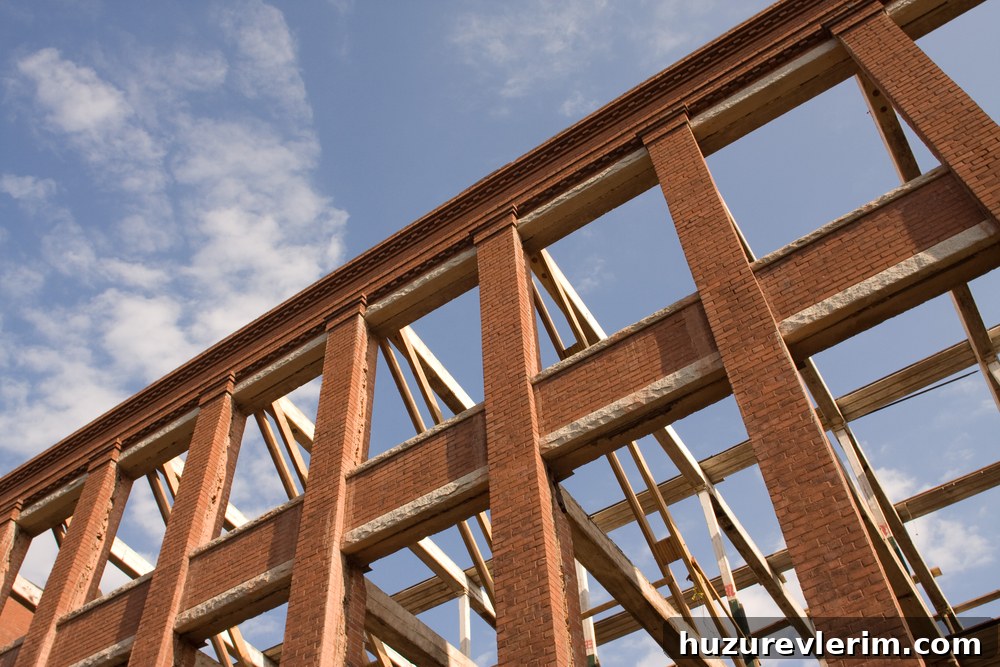
As the United States contends with an abundance of vacant or functionally obsolete commercial buildings and a shortage of affordable senior housing, a growing solution is emerging: adaptive reuse. Developers are converting idle schools, underused malls, empty office towers, and aging hotels into thoughtfully designed senior living communities. This approach helps address housing demand while preserving historic architecture and maintaining neighborhood character.
Adaptive reuse projects bring practical benefits: existing floorplates, generous corridors, and sturdy construction can be adapted for accessibility and communal living. Repurposing buildings also keeps cultural landmarks in use, strengthens local identity, and creates senior housing in walkable locations close to transit, health services, and everyday amenities.
A second life for historic school buildings
Decommissioned schools have become particularly attractive candidates for senior housing conversions. Classrooms adapt well into apartments, and broad hallways and stairwells can be reworked to meet accessibility needs for residents who use wheelchairs or scooters. Renovations can preserve distinctive architectural elements—high ceilings, large windows, original woodwork—while introducing modern finishes, safety upgrades, and efficient building systems.
Wells High School, Southbridge, Massachusetts
One notable example transformed a century-old, National Register-listed school into a 62-unit 55+ community. The project preserved signature features such as tall ceilings and wide corridors while adding contemporary accessibility and amenities. The redevelopment prioritized affordability, designating the majority of units as affordable housing at varying levels of area median income, and reserved several apartments for residents with greater mobility or sensory needs. On-site amenities include communal lounges and activity spaces, a fitness area, package lockers, storage, and on-site management. Supportive services are delivered through partnerships with local providers to help residents age in place with dignity and access to assistance when needed.
Paris High School, Paris, Illinois
Another successful conversion transformed a 1909 Classical Revival high school—also listed on the National Register—into affordable senior apartments. The redevelopment retained the gymnasium and auditorium as shared gathering spaces, while adding practical upgrades like elevators, a computer lab, communal kitchens, and fitness facilities. Projects like this demonstrate how preserving a building’s identity and integrating modern services can create homes that feel familiar and connected to the community.
These school-to-senior-housing conversions illustrate how adaptive reuse can combine historic sensitivity with smart design to meet modern accessibility and lifestyle needs for older adults.
Vacant buildings become senior living opportunities
Adaptive reuse in senior housing extends well beyond schools. The pandemic-era shift to remote and hybrid work left many office buildings underused, and changes in retail and travel patterns have left malls and hotels with excess capacity in some markets. These large, centrally located structures present opportunities to create senior communities in urban cores with easy access to public transportation, medical care, shops, and cultural venues.
Vacant office towers often offer generous floor plates and robust mechanical infrastructure, while former retail centers and hotels can be redesigned to accommodate apartments, communal dining, wellness spaces, and social areas. Converting these properties into senior housing supports walkable, integrated living models that promote social engagement and independence for older residents. Although each building type introduces unique design and engineering challenges—from reconfiguring layouts to upgrading plumbing, HVAC, and electrical systems—successful projects open pathways to more sustainable, transit-oriented housing options.
Why adaptive reuse appeals to many older adults
There are several reasons older adults and their families find adaptive reuse developments appealing. Many are located in established neighborhoods offering convenient access to amenities and services that support daily life. Historic features and distinctive design details give these properties character and a sense of place that many residents find comforting.
Common spaces adapted from gyms, auditoriums, or retail areas foster social interaction, community programming, and active lifestyles. Preserving well-known landmarks helps residents feel rooted within their town or city, which can contribute to emotional well-being and stronger neighborhood ties. For older adults who value both convenience and a memorable living environment, adaptive reuse can offer a compelling alternative to newly built retirement communities.
A smart move for the senior living industry
From financial, environmental, and marketing standpoints, adaptive reuse offers advantages. Working within an existing shell can reduce demolition waste, shorten construction timelines, and sometimes lower overall costs. Developers may access historic tax credits, grants, or other incentives targeted at revitalizing aging buildings. Environmentally, adaptive reuse conserves materials and reduces the embodied carbon associated with new construction.
Speed-to-market is another benefit: transforming an existing structure can often be completed faster than building from scratch, especially in areas with limited land availability or restrictive zoning. Buildings with distinctive histories and design elements can also stand out in competitive markets, attracting community support and offering a natural marketing story that newer developments may lack.
Hurdles on the path to redevelopment
Adaptive reuse is not without obstacles. Upgrading older structures to meet contemporary building codes and accessibility standards can be complex and costly. Typical upgrades include installing elevators, widening doorways, retrofitting bathrooms for ADA compliance, and overhauling plumbing, electrical, and HVAC systems. Historic preservation requirements may limit exterior changes, and local zoning regulations can complicate residential conversions. Unforeseen structural issues discovered during renovation can further increase costs and extend timelines.
Successful projects require careful planning, early coordination with code officials and preservation authorities, and realistic budgets that account for potential surprises. When handled well, these investments yield long-term social and economic benefits for residents and communities.
Adaptive reuse considerations for senior living prospects
Prospective residents and their families should evaluate comfort, safety, and livability when considering a repurposed building. Not all older structures were designed for residential use, so insulation, natural light, and thermal comfort may need attention. Unique floor plans can present mobility challenges if accessibility improvements are incomplete. Practical factors—parking ease, neighborhood safety, proximity to services, and the availability of on-site amenities—should also weigh into decision-making.
Careful inspection of renovations, clear information about available support services, and a review of maintenance plans and emergency procedures can help residents determine whether a converted property meets their needs and expectations.
Preserving the past while designing for the future of senior living
Adaptive reuse offers a forward-looking strategy for expanding affordable, well-located senior housing while preserving community landmarks. As demand for senior housing grows and cities seek sustainable ways to repurpose aging infrastructure, adaptive reuse is likely to expand. The approach’s success depends on thoughtful planning, innovative design, and collaboration among developers, municipalities, preservationists, and older adults themselves. Ultimately, adaptive reuse is about reimagining what home can be in later life—honoring history while creating safe, vibrant, and connected places to live.