
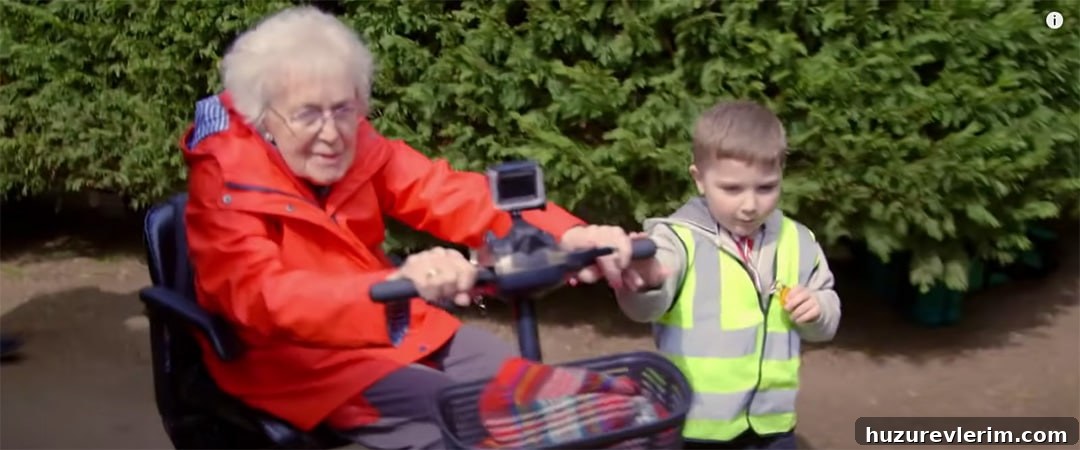
Have you ever noticed the warm, often amusing similarities between older adults and toddlers? Despite their obvious age difference, these two groups share qualities—curiosity, spontaneity, delight in simple pleasures—that make their interactions especially touching.
This article explores the connections between seniors and young children, inspired by the popular television series Old People’s Home for 4-Year-Olds and by reporting such as the Provider Magazine piece “Seniors Gain Purpose Through Childcare and Dog Rescue Programs.” We’ll look at how intergenerational programs bring joy, purpose, and meaningful social engagement to participants of every age.
Old People’s Home for 4-Year-Olds highlights the remarkable benefits of bringing toddlers and older adults together. The show documents genuine bonds forming through everyday activities: toddlers sharing stories and songs, seniors offering gentle guidance, and both groups responding with laughter and affection. Those moments reveal how easily empathy and friendship can cross generational lines.
Video compilations drawn from the show capture the most heartwarming scenes—simple interactions that have a profound effect. Reading together, playing games, or just sitting side by side sparks smiles and conversation, and these small acts help combat loneliness, stimulate memory, and encourage emotional expression among older adults. For children, the experience fosters patience, respect, and social confidence.
Provider Magazine’s article “Seniors Gain Purpose Through Childcare and Dog Rescue Programs” offers complementary evidence of how purposeful activities improve well-being. One highlighted example is the Reading Buddies initiative, in which young children regularly visit senior living communities to read and talk with residents. These visits create a routine of meaningful contact: seniors regain a sense of usefulness and connection, while children develop reading skills and empathy.
Beyond childcare programs, many facilities incorporate animal-assisted activities, such as dog rescue partnerships. Several senior communities, like the example cited in the article, involve residents in caring for rescued dogs—feeding, walking, and simply offering companionship. Caring for an animal gives seniors responsibility, promotes routine and physical activity, and produces emotional rewards through the bond formed with the pet.
Intergenerational and animal-assisted programs share common benefits: they reduce isolation, bolster mood, and add structure and purpose to daily life. For children, these programs present unique learning opportunities and models of compassion. The mutual exchange—seniors offering wisdom and security, children providing exuberance and curiosity—creates a dynamic that enriches both groups.
It’s also important to recognize the role of attentive caregivers and program coordinators in making these interactions successful. Staff at senior living communities design activities, ensure safety, and nurture relationships so residents can engage comfortably and meaningfully. When choosing care for a loved one, look for facilities that prioritize social connection, purposeful activities, and thoughtful programming that encourages interaction with children and animals.
Ultimately, the similarities between seniors and toddlers—an openness to wonder, delight in small moments, and the desire for connection—remind us that age doesn’t limit our capacity for joy. Intergenerational programs and pet partnerships demonstrate how communities can bridge generational divides, boost well-being, and create lasting, heartwarming relationships.
Source: Provider Magazine article titled “Seniors Gain Purpose Through Childcare and Dog Rescue Programs.”