
As we grow older, preserving physical health becomes increasingly important. For seniors living in healthcare homes, staying active, nourished, and engaged can greatly improve quality of life. From well-planned meals to gentle exercise, creative pursuits, and social connection, a holistic approach supports overall wellbeing. Below we explore practical, uplifting ways seniors can thrive in care settings while maintaining dignity, independence, and joy.
The Power of a Balanced Diet for Seniors
Good health begins with good nutrition. A balanced diet helps maintain energy, supports immune function, and reduces the risk of chronic conditions such as heart disease, diabetes, and hypertension. In care homes, meals are typically planned to address seniors’ needs, and small adjustments can make them both nutritious and pleasurable.
— Tailored Nutrition Plans:
Individualized meal plans are essential because each resident has unique medical needs, tastes, and dietary restrictions. Nutrition plans that consider conditions like osteoporosis, diabetes, kidney disease, or swallowing difficulties ensure seniors receive the right balance of protein, fiber, vitamins, and minerals while avoiding foods that could cause harm.
— The Joy of Fresh, Seasonal Produce:
Including fresh, seasonal fruits and vegetables adds color, flavor, and vital nutrients. Berries, leafy greens, and orange vegetables deliver antioxidants and vitamins that support brain health and immunity. Fresh produce also enhances mealtime appeal, encouraging better intake and a more satisfying dining experience.
— Hydration Is Key:
Seniors are particularly vulnerable to dehydration, which can cause confusion, urinary issues, constipation, and fatigue. Promoting regular fluid intake—water, herbal teas, and hydrating foods like melons, cucumbers, and broths—helps maintain cognitive clarity and overall health.
Exercise for Every Ability: Staying Active in Senior Care
Movement is a powerful ally for healthy aging. Exercise for seniors should be safe, enjoyable, and consistent. Regular activity improves balance, mobility, cardiovascular health, mood, and sleep.
— Gentle Exercise for Strength and Mobility:
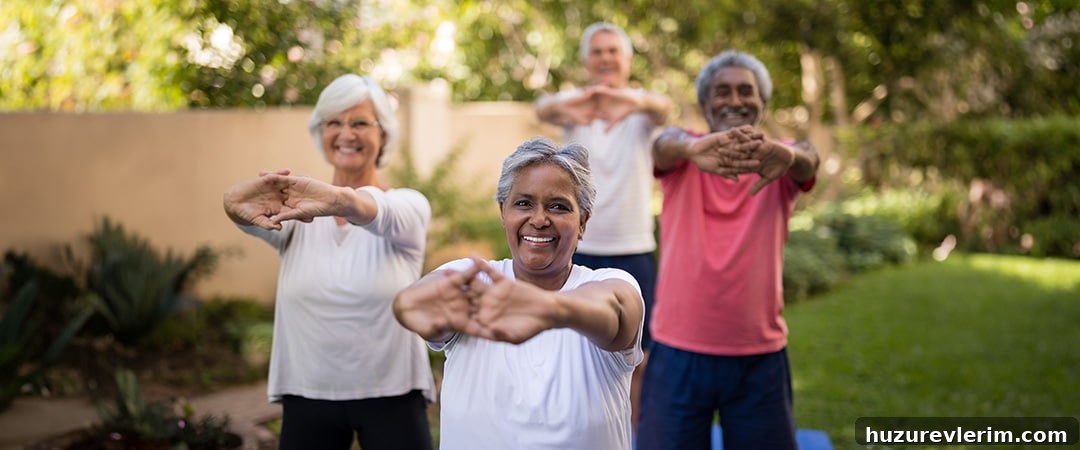
Low-impact programs such as chair yoga, tai chi, and water aerobics help build strength and flexibility without straining joints. These activities also enhance circulation and posture, reducing the risk of falls and improving everyday function.
— Group Exercise Classes:
Group sessions add a social dimension that boosts motivation and enjoyment. Dancing to familiar tunes, group stretching, or guided walks in a garden create camaraderie and make physical activity feel less like a chore and more like a shared pastime.
— Daily Movement Goals:
For residents who prefer informal routines, simple daily movement targets can be effective. Walking to meals, gentle stretching between activities, or short strolls around the facility all accumulate to support heart health, circulation, and independence.
Creative Outlets for Physical and Mental Well-being
Creativity engages both body and mind. Activities that encourage expression and fine motor use can improve dexterity, cognitive function, and emotional wellbeing.
— Art Therapy for Seniors:
Art activities—painting, sketching, collage, or clay work—support hand-eye coordination and fine motor skills while offering emotional expression. For people with memory changes, art can unlock memories and provide soothing, meaningful engagement.
— Gardening for Active Aging:
Gardening invites gentle physical activity and a sense of purpose. Whether tending potted plants indoors or participating in an outdoor garden, the tasks of planting, watering, and pruning promote movement, coordination, and connection with nature.
— Music and Movement:
Music-based activities combine cognitive stimulation with physical engagement. Singing, rhythmic clapping, seated or standing dance, and music-facilitated exercise boost mood, coordination, and social interaction while being accessible to many ability levels.
Mental Wellness and Social Engagement
Mental and social wellbeing are integral to physical health. Opportunities for connection, stimulation, and calm support resilience and improve overall outcomes.
— Social Games and Group Activities:
Games such as cards, bingo, trivia, and group puzzles sharpen the mind and foster social bonds. These activities help reduce isolation and encourage friendships among residents and staff.
— Mindfulness and Meditation:
Mindfulness practices—guided breathing, meditation, or gentle relaxation sessions—can reduce stress, improve sleep, and assist with pain management. Quiet spaces or scheduled sessions give residents tools to manage emotional and physical discomfort.
— Lifelong Learning:
Educational programs and discussion groups stimulate curiosity and cognitive function. Book clubs, history talks, art appreciation, or basic technology classes offer mental stimulation and give residents reasons to look forward to each day.
Conclusion: A Holistic Approach to Senior Health
Maintaining physical health in a care home is a holistic endeavor that combines thoughtful nutrition, regular movement, creative expression, and social connection. By offering personalized care and diverse programming, healthcare homes can foster environments where seniors remain active, engaged, and content. Creating daily opportunities for movement, nourishment, and interaction helps seniors preserve independence, vitality, and joy—because physical health and happiness are deeply connected.
Ultimately, supporting seniors means building routines and experiences that promote wellbeing in body, mind, and spirit.