The demand for home health care services in the United States is rising quickly, driven by several demographic and social trends.
One major factor is the aging of the baby boomer generation, which has increased the number of older adults needing assistance. The COVID-19 pandemic has also shifted preferences: many seniors and their families grew wary of congregate living settings and chose to stay in or return to single-family homes. Above all, many older adults simply prefer to age in place. Home is familiar, comfortable, and often emotionally important, so services that enable independent living at home are increasingly sought after.
The desire to remain in the home
Surveys consistently show that most older adults want to stay in their communities as they age. At the same time, research indicates that between 50 and 70 percent of people over 65 will need some level of long-term care during their lifetime. That care can range from occasional help with daily tasks to 24/7 skilled nursing care. About one in five people who need care will require it for two to five years, and roughly 13 percent will need care for more than five years. For many of these seniors, home health care is a practical option to maintain independence while receiving needed support.
Medical and non-medical home health care
“Home health care services” is an umbrella term that includes a broad range of in-home supports. Services can be brief visits a few hours per week, daily assistance, or round-the-clock care delivered in the person’s own home. Because needs vary widely, home care is commonly categorized into medical (skilled) care and non-medical care.
Medical care
Often called skilled care or skilled nursing, medical home health services are delivered by licensed health professionals—nurses, physicians, or therapists such as physical, occupational, or respiratory therapists. This level of care addresses clinical needs that go beyond routine assistance: wound care, injections or IV therapy, tube feeding, complex medication management, and rehabilitation after surgery or illness. Medical home care is typically prescribed by a doctor and can be either short-term, for recovery after an acute event, or long-term for chronic conditions or terminal illnesses.
Non-medical care
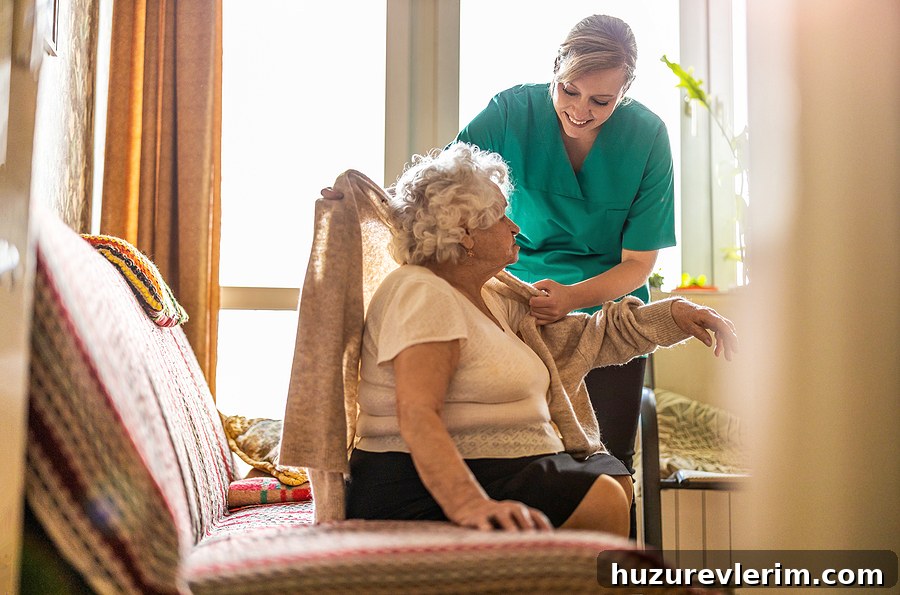
Non-medical home care is provided by home health aides or home care aides and focuses on activities of daily living (ADLs) and household support. Services commonly include help with dressing, bathing, toileting, meal preparation, light housekeeping, transportation, and shopping—sometimes called homemaker services. Like medical care, non-medical assistance can be temporary (for example, after an injury or surgery) or ongoing for someone who needs daily support.
>> Related: What’s the Difference Between Assisted Living and Nursing Care?
Finding the home health care services you need
Families can hire individual independent caregivers, but many people choose to work with a licensed home health agency to coordinate care. Physicians often provide referrals to reputable agencies, and personal recommendations from friends or neighbors are also valuable. When you work with an agency, expect an initial in-home assessment by a nurse who evaluates needs, develops a personalized care plan, and matches the client with a caregiver who has the right skills, availability, and personality fit.
>> Related: Which is Better: An Independent Caregiver or Home Care Agency?
The pros of home health care
Home health care enables many seniors to remain in the comfort of their own homes while getting the support they need. Regular visits from a caregiver can reduce isolation and the health risks associated with loneliness. Trained caregivers may also notice early signs of health decline and help prevent hospital admissions. For family caregivers, paid home care can reduce physical and emotional strain, lower stress, and ease financial pressure that intensive caregiving can create.
>> Related: Family Caregiving Can Present an Array of Stressful Challenges
…and the cons
Home care is not the right fit for everyone. Some people feel uncomfortable having outside caregivers in their private space. Finding a reliable, compatible caregiver can be difficult because of industry challenges such as low wages and high turnover. Families must carefully vet caregivers and agencies, as the majority of elder abuse by paid caregivers occurs in private homes. Even with paid help, family members often remain involved in coordinating and supervising care.
Cost is often the biggest barrier. National averages indicate that non-medical home care can cost tens of thousands of dollars per year, and skilled medical home care is typically more expensive. Costs vary widely by state and local market. Most home care expenses are paid out of pocket—Medicare generally does not cover routine non-medical home care and only pays for limited skilled home health services for a short period when prescribed by a physician. Medicaid may cover some home care services for eligible individuals, but coverage rules vary by state.
>> Related: A Little-Known Detail about Medicaid Qualification and Paying for Long-Term Care
The bottom line
For many older adults who want to remain at home, home health care offers flexible options that range from light household help to full-time skilled nursing. It can improve quality of life, reduce isolation, and ease family caregiving responsibilities. However, cost, comfort with strangers in the home, and the need for careful oversight are important considerations. If you are exploring home care, research agencies, ask for referrals from trusted professionals or friends, interview caregivers thoroughly, and continue searching until you find a trustworthy, compatible provider who meets your needs.