
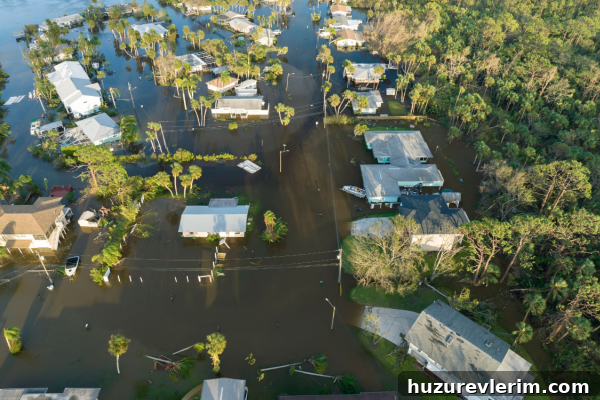
Hurricane Beryl recently left more than 2.2 million homes and businesses in Houston without power—some for nearly two weeks. After the storm’s direct hit on July 8 as a Category 1 hurricane, more than a dozen residents died from heat-related causes, many of them vulnerable older adults. This event highlights how increasingly severe natural disasters, many worsened by climate change, are affecting retirees’ homes and lives.
How much should climate change and the risk of natural disasters influence a senior living decision, such as choosing a retirement location?
More days with extreme heat
NOAA scientists report that June 2024 was the warmest month on record globally. As Earth’s temperature rises, extreme heat becomes a growing health threat—especially for older adults, who are more susceptible to heat-related illness.
The Department of Health and Human Services notes a rising trend in heat-related deaths: roughly 1,602 in 2021, 1,722 in 2022, and 2,302 in 2023. While not all victims are seniors, people aged 65 and older face higher risk. Heat exhaustion, heat stroke, and worsening cardiovascular and respiratory conditions such as COPD are among the dangers to watch for.
Many older adults relocate to Sun Belt states for milder winters and warm weather, but these states now see large shares of heat-related deaths. In 2023, Arizona reported 874 heat deaths (at least 645 in Maricopa County), Texas 450, Nevada 226, Florida 84, and Louisiana 83. These five states accounted for 61% of recent heat deaths over the past five years, compared with only 18% from 1979–1999.
With summer temperatures expected to continue climbing in popular retirement destinations, heat-related mortality may increase. Older adults should prioritize hydration (avoiding diuretics like alcohol and excess caffeine), limit sun exposure during peak heat hours, and ensure reliable air conditioning and fans are available.
A rise in severity of hurricanes and flooding
Warmer ocean temperatures and rising seas contribute to stronger, more damaging hurricanes. Experts predict several related trends:
- Sea level rise will increase coastal flooding and property damage, particularly as coastal development grows.
- Warmer surface temperatures will increase hurricane-related rainfall because of higher atmospheric moisture.
- Hurricanes will intensify more rapidly as ocean temperatures rise.
- The share of storms reaching Category 4 or 5 will increase due to global warming.
Coastal locations remain attractive to many retirees, but as more people live in hurricane-prone regions, storm impacts—property damage, flooding, and infrastructure strain—can affect older adults more severely. Preparing for storms (boarding windows, filling sandbags) can become physically difficult with age, and evacuations may be hard for those with mobility or health issues. Those who remain can face hazards like debris removal, rising waters, and prolonged power outages that pose grave risks during hot weather.
An increase in droughts and wildfires
On the opposite side of the climate spectrum, drought is becoming more widespread. EPA rainfall data show that from 2000 through 2023, as much as 70% of the U.S. experienced abnormally dry conditions at times, with many regions facing moderate to severe drought and dwindling reservoirs.
Drought largely affects areas popular with retirees—California, Texas, and the desert Southwest—though Florida and parts of the Northwest are also vulnerable. Reduced river flows and diverted water supplies can threaten municipal and agricultural water sources.
Drier conditions raise wildfire risk. Fast-moving fires have destroyed communities and lives in recent years. The Lahaina, Hawaii, fires illustrated how quickly wind-driven blazes can overwhelm towns. For older adults, evacuating on short notice may be impossible for those with mobility limitations or who cannot drive, making living in wildfire-prone areas particularly dangerous.
The added risks of power failures and brownouts
Natural disasters commonly disrupt power—downed lines, overwhelmed grids, or intentional shutoffs can leave communities without heating in winter or air conditioning in summer. Loss of electricity threatens life-sustaining devices such as oxygen concentrators, refrigeration for medications and food, and other essential equipment. Extended outages have in some cases lasted weeks, creating preventable health crises for older adults and sometimes resulting in fatalities.
Should climate change determine your senior living location?
Many retirees are drawn to regions with pleasant climates, but that comfort can come with heightened risks—hurricanes, floods, droughts, wildfires, or increasingly severe winter storms in colder areas. When choosing where to live during retirement, consider how climate change may affect safety, health, property, and long-term livability.
Ask practical questions: Can you physically prepare your home or evacuate if needed? Could you manage without power for extended periods? Financially, what would happen if your home were damaged or destroyed—could you rebuild or would you want to stay? Note that some insurers are exiting high-risk regions, raising premiums or canceling policies, which can leave homeowners in a precarious position.
Climate change and retirement community decisions
Climate risk is also an important factor when evaluating retirement communities, especially in areas prone to severe weather or wildfires. When touring or researching communities, consider asking about:
- Evacuation plans and provisions for residents with health or mobility limitations.
- Availability and capacity of backup generators to maintain critical systems and resident comfort.
- Liability and responsibilities for residents if the community sustains damage.
- Temporary housing options for residents while repairs are underway.
The senior living industry should proactively address climate change by incorporating disaster preparedness into planning, construction, and site selection. Key considerations for new communities include:
- Access to multiple evacuation routes and adequate roads.
- Siting buildings on higher ground away from flood-prone areas.
- Using impact-resistant building materials in hurricane-prone zones.
- In wildfire risk areas, selecting fire-resistant materials and landscaping designed to reduce flame spread.
- Installing sufficient backup power to support essential equipment and resident safety during extended outages.
Thinking ahead about climate-related risks can help older adults and their families make safer, more resilient choices about where and how to spend retirement years.