
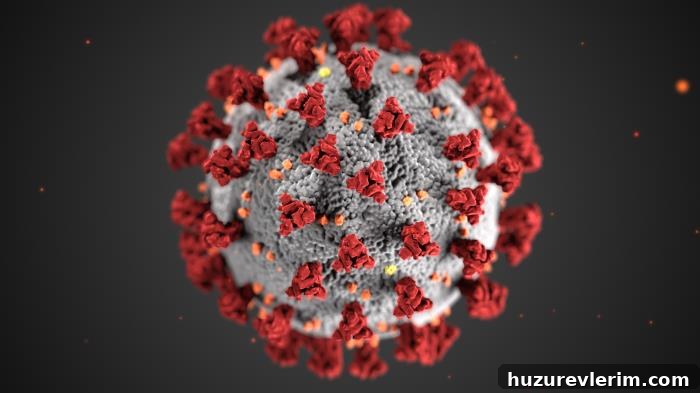
The coronavirus (COVID-19) is understandably on everyone’s mind right now. As confirmed cases rise and businesses and schools close, concern is growing—and with good reason.
Last week I explained why the senior living industry is generally better prepared than many other sectors to manage a highly contagious virus. Communities such as continuing care retirement communities (CCRCs or life plan communities) already follow strict protocols every flu season and for other highly infectious illnesses like norovirus.
COVID-19 is a new virus and appears to pose greater risk to older adults, but the prevention steps used to limit spread are largely similar to those for other contagious diseases. During a pandemic, these protocols are implemented with greater frequency and intensity.
As an added precaution, many senior living communities are temporarily restricting nonessential visitors because people can carry and transmit COVID-19 without showing symptoms. This is a difficult but prudent decision by management teams to help protect residents.
Precautions in senior living appear to be effective
Recent reporting has highlighted market impacts on senior housing-related stocks. During a large market sell-off, several major senior housing real estate investment trusts (REITs) fell sharply. Despite the market reaction, evidence so far indicates relatively few confirmed COVID-19 cases inside senior living communities—aside from the well-publicized nursing facility outbreak in Seattle and an isolated, quickly contained incident in California.
There may well be additional cases in the coming days as testing expands, but to date the precautionary measures many CCRCs and senior living operators have taken seem to be limiting spread within their communities.
Beth Mace, chief economist at the National Investment Center for Seniors Housing & Care (NIC), summarized the situation well: operators are taking the virus seriously and applying the same infection-prevention expertise they use to keep influenza out. Senior housing and skilled nursing providers are experienced in infection control and are equipped to respond.
How to stay healthy
It’s important to acknowledge that more cases in senior living may occur, especially as testing becomes more widespread. Measures such as restricting visitors can increase feelings of isolation and loneliness, and these trade-offs are difficult for communities and families. Still, many parts of society are moving toward similar precautions—reducing group activities and social contact—until the outbreak is under control. The relatively small number of confirmed cases linked to senior housing so far is a positive sign.
The Centers for Disease Control and Prevention (CDC) offers practical guidance to lower the risk of infection. Key recommendations include:
- Get your annual flu vaccine if you haven’t already, to reduce your overall risk of respiratory illness.
- Wash your hands often with soap and water for at least 20 seconds, especially after using the restroom, before eating, and after coughing, sneezing, or blowing your nose.
- Avoid touching your face, especially your eyes, nose, and mouth.
- Steer clear of close contact with people who are obviously ill, and stay home if you are sick.
- Disinfect frequently touched surfaces and objects with household cleaners or disinfecting wipes. This includes phones, tablets, keyboards, and other devices—these can be wiped with a disinfecting wipe or a cotton ball moistened with rubbing alcohol.
As an additional precaution, consider keeping a supplemental supply of essential prescription medications—up to about three months’ worth—so you are prepared if access to pharmacies becomes restricted.
> For current official guidance and updates on COVID-19, consult the CDC’s website.
Photo credit: CDC; Alissa Eckert, MS; Dan Higgins, MAMS