
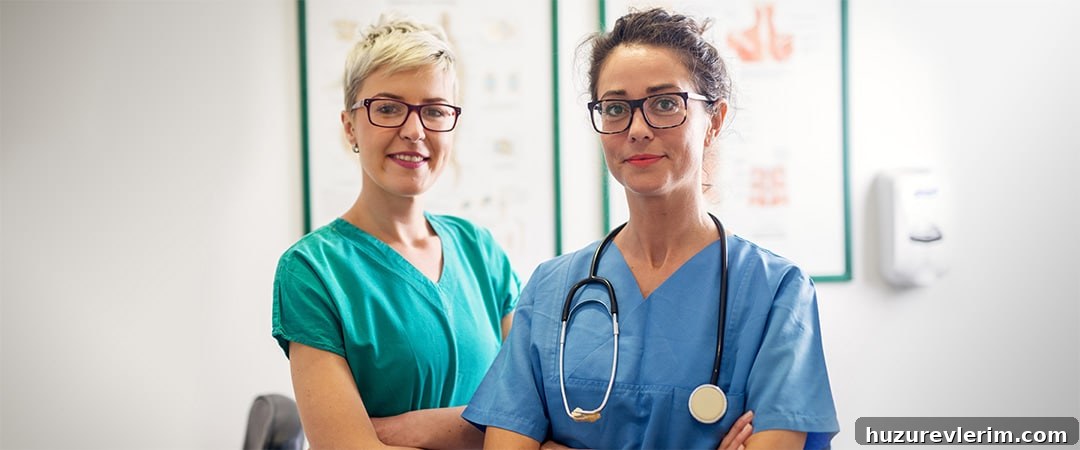
Caregivers are the foundation of both short-term and long-term care settings. Recruiting and retaining compassionate, skilled, and well-trained staff is essential for skilled nursing facilities, assisted living communities, and rehabilitation centers to deliver reliable, high-quality care.
The caregiver team in an eldercare facility is diverse: nurses, nursing assistants, physical and occupational therapists, dietary staff, activity coordinators, social workers, housekeeping personnel, and nutrition specialists all play important roles. Much of the work that keeps a care community running happens behind the scenes, and those contributions deserve recognition.
The COVID-19 pandemic intensified stress and workload for healthcare workers, increasing rates of burnout. In response, many facilities have stepped up efforts to support their staff emotionally and practically. Leadership teams are increasingly focused on reducing burnout by providing recognition, meaningful breaks, and resources that address caregivers’ well-being.
Examples of those efforts vary by organization. Some centers deliver staff members’ favorite meals and beverages during shift changes, while others run weekly recognition programs with awards and prizes. These gestures boost morale, but facilities are also implementing longer-term strategies that support staff resilience and work-life balance.
Educating caregivers about self-care, setting healthy boundaries between work and personal life, and offering mental health resources are becoming standard practice. Creating an environment where caregivers can recharge and access support directly improves the quality of care residents receive.
Adequate staffing is another core element of a positive work environment. Chronic understaffing has been a persistent issue in nursing homes and was exacerbated during the pandemic. To address this, many providers are concentrating on recruiting and training newly graduated nurses, who can become long-term members of the geriatric care workforce.
Facilities that successfully attract new nurses study the obstacles that make geriatrics less appealing, respond to the specific challenges new graduates face, and provide structured supports tailored to their needs. Three effective strategies include mentorship programs, fostering strong peer connections, and having formal support plans for nurses who feel overwhelmed or discouraged.
Mentorship programs pair new nurses with experienced clinicians who guide their professional growth, help them gain confidence in geriatric care practices, and provide on-the-job teaching. Encouraging strong relationships among colleagues reduces isolation, builds teamwork, and creates a shared commitment to senior care. And having clear protocols for assisting overwhelmed staff—such as access to counseling, step-down duties, or temporary scheduling adjustments—helps nurses recover quickly and continue to develop professionally.
When employers prioritize staffing, recognition, education, and emotional support, they build healthier workplaces that benefit both caregivers and residents. Strong caregiver teams help seniors heal, stay engaged socially, and live with dignity and purpose in their care community.