
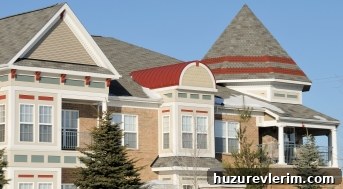
When considering retirement communities for those aged 55 and older, there are several distinct options available. Some providers focus on residents who can live fully or mostly independently, while others are designed for people who need help with daily activities or higher levels of medical care. A third group of providers offers a full continuum of care, serving residents in independent living but giving priority access to assisted living services and skilled nursing when needed.
Active adult communities versus rental retirement communities
Independent living choices typically include active adult communities and rental retirement communities, which are not licensed to provide assisted living or medical care.
Active adult communities are often planned neighborhoods of single-family homes or attached units where exterior maintenance and common-area upkeep are covered by monthly fees. Some operate as cooperatives, where residents hold shares in a corporation that owns the property rather than owning their individual homes outright. Rental retirement communities, also called independent living centers, generally offer apartment-style units and a range of services and amenities such as housekeeping, transportation, wellness programs, and dining options.
There can be confusion between independent living centers and assisted living facilities because residents in independent communities may hire outside caregivers when needs increase. In true independent living communities, caregivers are typically not employed by the community itself, though the community may require approval for outside aides. The level of care provided in these settings is usually less intensive than what you would find in a licensed assisted living facility.
Striking a balance in senior living
When a new independent living community opens, most residents are likely to be fully independent. Over time, some residents will begin to need regular assistance, which gradually reduces the proportion of completely independent residents. Healthy communities maintain a balance by attracting new, younger independent residents, while communities that become perceived as too similar to assisted living may find that balance harder to sustain.
Some providers offer both an independent living area and a licensed assisted living wing on the same campus. These are often called independent-plus or catered living communities. Another model is the continuing care retirement community (CCRC), sometimes called a life plan community, which combines independent living with licensed assisted living and, in most cases, 24-hour skilled nursing care available as residents’ needs change.
— Learn more about life plan communities
Choosing the right type of senior living community depends on many personal factors, including current and anticipated care needs, desired lifestyle, social opportunities, and budget. Understanding the differences among community types is a practical first step in making an informed decision that fits your circumstances and goals.