Although many 55-plus communities operate as distinct micro-villages, they remain interconnected with the towns and neighborhoods around them. This relationship is often mutually beneficial: retirement communities draw employees from nearby areas, while the surrounding community benefits from the jobs, local spending, and services these campuses provide. One particularly effective way senior living communities enhance those ties is through intergenerational programs that bring seniors and younger people together.
Intergenerational programs connect older adults with children and young adults in ways that enrich both groups. In Pompton Plains, New Jersey, one continuing care retirement community has built a notable model that provides meaningful employment for local high school students while strengthening ties across generations.
Meaningful jobs for high schoolers at a 55-plus community
Cedar Crest is a continuing care retirement community (CCRC) located on a 130-acre campus in Pompton Plains. Serving over 1,800 residents, the campus includes a CVS pharmacy, a bank branch, multiple dining venues, a library, a salon, and a full range of onsite care services from assisted living and memory care to skilled nursing. Operating those amenities and services requires a substantial workforce, and Cedar Crest employs roughly 980 people.
The staff mix ranges from highly skilled health professionals—such as physicians, registered nurses, and pharmacists—to entry-level positions filled by local high school students. These young employees work in roles like pharmacy clerks, foodservice staff, and groundskeepers. Those positions are essential to the community’s daily operations and provide students with reliable pay, practical experience, and résumé-building opportunities.
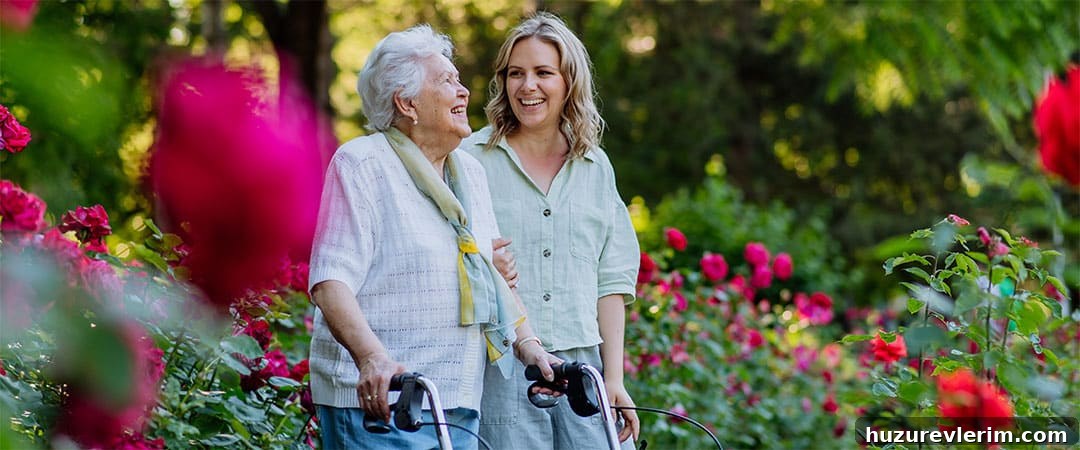
Hiring local students creates regular interaction between generations. Many residents appreciate the chance to chat with younger employees who may remind them of grandchildren or offer a fresh view of the world. Conversely, student-workers benefit from seniors’ life experience, often finding mentors or surrogate grandparent figures among the residents.
>> Related: Intergenerational Programs Unite the Young and the Young-at-Heart
An intergenerational program that honors hard work
To recognize and support dedicated student-employees, Cedar Crest residents established the Cedar Crest Scholars’ Fund in 2003. Funded by resident donations, the scholarship program provides financial assistance to staff pursuing higher education or trade school training.
Since its founding, the Cedar Crest Scholars’ Fund has awarded more than $1.5 million in scholarships. Most recently, the fund granted $10,000 awards to 15 student-workers, helping them advance their education and career goals. This program demonstrates how resident-led initiatives can directly support the next generation while reinforcing meaningful connections between students and seniors.
>> Related: Unexpected Benefits of Turning a CCRC Campus Into a “Community Center”
Intergenerational programs at 55 communities are win-win
Stories like Cedar Crest’s illustrate the positive impact intergenerational programming can have on retirement communities and their neighbors. Hiring local students and offering scholarships are practical ways communities can build relationships while filling essential roles and supporting young people’s futures.
Other successful intergenerational initiatives include:
- Onsite daycare or before- and after-school programs that give residents daily interaction with children;
- Tutoring programs that pair a senior with a student for regular academic support;
- Continuing education partnerships that invite seniors to attend classes on college campuses;
- Mentoring initiatives where residents share career and life guidance with young adults;
- “Open-door” policies that allow community members to use certain campus amenities, such as dining facilities or recreational spaces.
These programs provide immediate social and educational benefits, but they also shape a retirement community’s culture and purpose. Many retirees are community-minded and seek meaningful ways to contribute. By participating in tutoring, mentoring, employment opportunities, and scholarship programs, residents play an active role in strengthening their broader community and leaving a positive legacy.
Retirement communities that embrace intergenerational engagement become more attractive to prospective residents who value purpose, connection, and community impact. In return, younger generations gain support, opportunity, and mentorship that can influence their long-term success.