
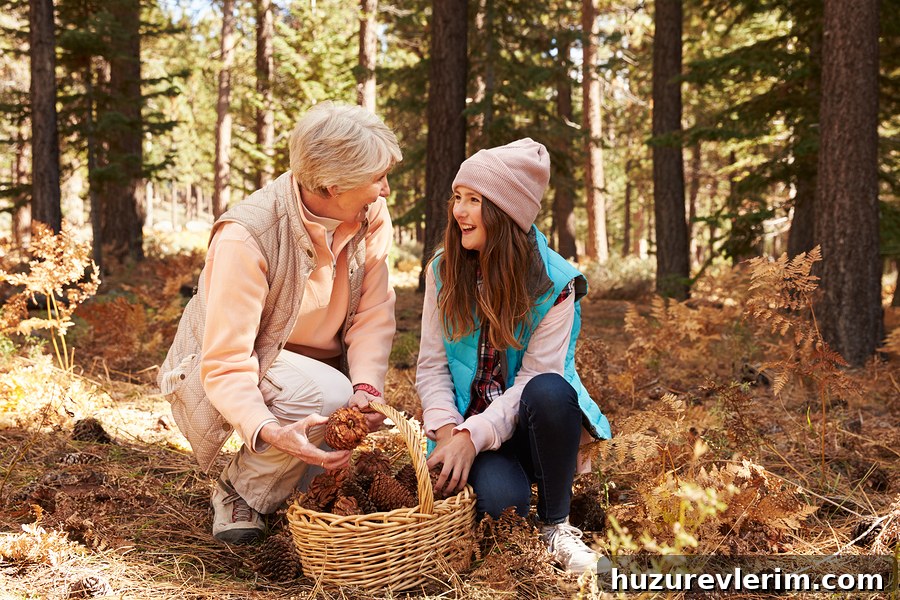
Intergenerational involvement—where older and younger family members live together or nearby—has long been common across cultures. When grandparents, parents and children share time and space, everyone benefits: children gain emotional support and guidance, seniors find renewed purpose and companionship, and adult children receive practical help with childcare and household tasks. These multigenerational arrangements create a full-circle dynamic that can strengthen family bonds and improve quality of life for all ages.
Modern life, however, has changed how many families live. Adult children often relocate for careers, education, or relationships, while older adults may choose retirement communities or move to milder climates. These shifts mean that everyday contact between generations is less common than it once was.
To bridge that gap, a growing number of programs intentionally bring different age groups together—and they’re gaining traction across the United States. One notable example is the intergenerational program developed for retirement communities managed by Judson Services, Inc., in northern Ohio, which has attracted attention for its structured, mutually beneficial activities.
Generations United, a national advocacy organization, promotes expanded intergenerational engagement through policies and programs designed to connect children, youth, and older adults. Their mission emphasizes collaboration that benefits all participants and counters the isolation that institutional separation can cause.
Among Generations United’s initiatives is Shared Spaces, which creates shared environments—often hosted at childcare centers, assisted living facilities, or continuing care retirement communities—where children and older adults can participate together in educational, recreational, and social programs. These shared sites are intentionally designed to encourage meaningful interaction and ongoing relationships across age groups.
Donna Butts, executive director of Generations United, notes that intergenerational facilities have been developing for about 25 years and have demonstrated significant advantages for participants. For seniors, regular interaction with young people often brings increased optimism, expanded social networks, sharper memory, and better self-care. For children, relationships with older adults foster improved social skills, reduce anxiety about aging, and normalize mobility aids like wheelchairs and walkers as part of everyday life.
Today, hundreds of intergenerational programs exist across the country, and interest continues to grow—particularly as Baby Boomers seek care environments for their aging relatives that are engaging and stimulating rather than isolating.
“People are starting to wake up and smell the demographics,” says Butts. “We have this older demographic, and we can look at it as a problem or as an asset. People of all ages have something to give.”