I often cite the AARP finding that about 85 percent of people aged 65 and older prefer to remain in their current home as they age. Common reasons for wanting to “age in place” include the belief that it is the most economical option, a desire to stay near familiar neighbors and local businesses, the wish to preserve independence, and the desire to avoid the disruption of moving.
These reasons are understandable, and for many seniors, staying in their long-time home works out well. But for others, aging in place presents challenges they didn’t anticipate.
For instance, what happens if a health problem develops? In-home care can become costly quickly. What if long-time neighbors move away or pass on? Loneliness is a frequent issue for those who remain at home, particularly after the loss of a spouse, partner, or close friends. And even if moving seems like an overwhelming task now, eventually someone will need to sort, pack, and sell the household’s contents.
Today, there is an additional factor many people have not had to weigh for a long time: how a pandemic affects the choice between staying at home and moving into a retirement community.
>> Related: 8 Questions to Consider Before You Decide to Age in Place
A challenging situation for seniors
The COVID-19 pandemic has highlighted both the strengths and weaknesses of aging in place and living in multi-unit senior communities such as continuing care retirement communities (CCRCs). In a recent post I discussed concerns tied to both options.
Residents in CCRCs and other retirement communities understandably worry about the risk of COVID-19 spreading in communal settings like assisted living and skilled nursing units. Although the senior living industry is generally prepared to handle contagious illnesses such as seasonal flu and stomach viruses, we have seen breakdowns in protocols at some facilities that led to infections and, tragically, deaths.
Even residents in independent living within a CCRC are affected. Many have had to self-isolate, with visitors and outside travel restricted, meals delivered with no contact, and group activities canceled. It’s natural for people in those settings to feel uneasy or cooped up.
Likewise, seniors who remain in their own homes face distinct concerns during the pandemic. Many older adults, especially those living alone, are experiencing heightened loneliness during lockdowns. While neighbors and family may be checking in, that is not always guaranteed.
Practical tasks such as shopping or seeking medical care can be daunting for older adults who are at higher risk of severe COVID-19. At the same time, postponing healthcare can create other immediate or future health problems.
So what’s the best choice right now: staying in your home or moving to a retirement community? There is no universal answer. One option that blends aspects of both approaches is continuing care at home (CCaH).
>> Related: …but I love my home’: Is Staying in Your House the Right Move?
Care with all the comforts of home
Often described as a “CCRC without walls,” continuing care at home combines the comfort and familiarity of staying in your own home with the reassurance of access to assistance and healthcare services typically offered on-site at a continuing care retirement community.
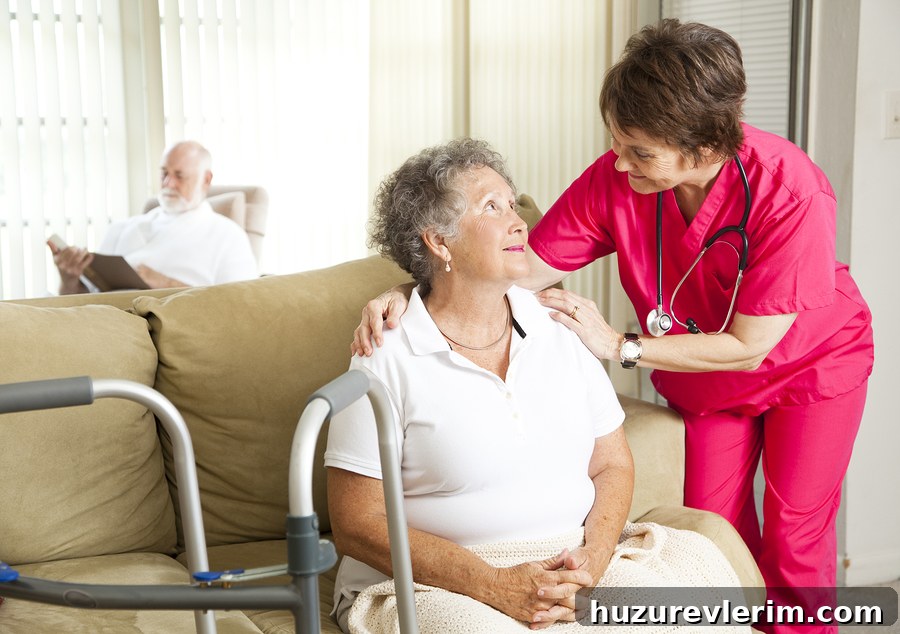
Unlike traditional CCRC residency, CCaH usually does not require moving onto the community’s physical campus. Instead, the CCRC’s caregivers—home aides, nurses, physical therapists, and other providers—come to the member’s home. In effect, CCRCs that offer CCaH extend their services beyond their campus footprint.
CCaH contracts vary, but they commonly include an upfront entrance fee and an ongoing monthly service charge. Entrance fees often range from around $20,000 to $70,000, while monthly fees can fall between roughly $250 and $800. Structurally, these agreements resemble typical lifecare-model CCRC contracts in some respects.
With a CCaH arrangement, you are a member of the CCRC while living off-campus. For many people—especially those who own their home outright—the total cost of CCaH is usually lower than relocating to the CCRC campus.
Because the CCRC is delivering services to off-site members while receiving lower fees than on-campus residency, CCaH applicants generally undergo a stringent health screening. Members are typically expected to be living independently, in good overall health, and free of significant cognitive decline. These requirements help ensure the program’s financial sustainability by keeping actuarial assumptions and reserves balanced.
>> Related: Fit for Move-In?: The CCRC Health Evaluation Requirement
The many benefits of continuing care at home
Depending on the CCRC and the specific CCaH agreement, members can receive a range of services in their own home, guaranteed if and when they are needed. Common services include:
- Annual physicals and wellness programs
- Transportation
- Care coordination
- Home inspections
- Companion or live-in care
- Home care or home healthcare
- Rehabilitative care and physical therapy
- An emergency response system
- Adult daycare
- Meals
- Assisted living and nursing home care
Many CCaH contracts also grant members access to on-campus amenities and activities—continuing education classes, entertainment outings, fitness facilities, and social programs—to help reduce isolation and encourage engagement.
As CCaH grows in popularity, some CCRCs are adapting terms to make it more attractive. Options include spreading the entrance fee payments over several years or offering contract tiers with different daily or lifetime cost caps for care, which can make monthly fees more manageable for some families.
>> Related: 3 Reasons Why Aging in Place May Not Be Cheaper
Finding the senior living middle ground
Every senior living choice has advantages and drawbacks, many of which the pandemic has made more apparent. It’s important to evaluate each option carefully and objectively, considering personal priorities and likely future needs. Above all, a key factor in deciding where to live as you age should be where you believe you will be happiest.
For some, moving to a CCRC is not appealing for financial or personal reasons. For others, a CCRC is ideal but the timing or cost is a barrier. Continuing care at home can offer a middle ground by allowing seniors to stay in the home they love while providing access to care and services when needed.
While some residents will eventually need a higher level of care that requires relocation, CCaH can delay or even avoid a move if needs can be met safely at home. Many seniors value the flexibility of CCaH as it balances cost, peace of mind, and access to assistance.
If CCaH interests you, contact local CCRCs to ask whether they offer such a program and to compare terms and services offered in your area.