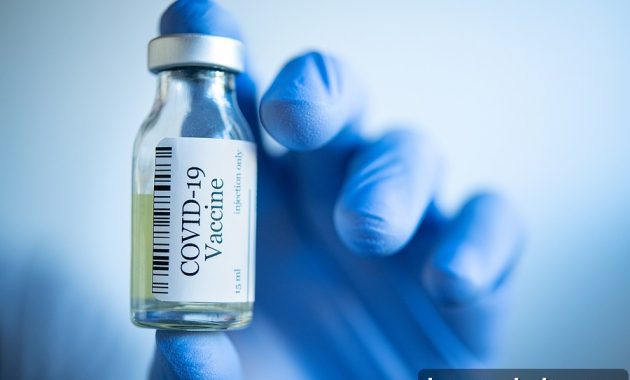
Finally, some positive news on the COVID-19 front. The Pfizer/BioNTech vaccine, showing about 95% efficacy, and the Moderna vaccine, with roughly 94% efficacy, are both being fast-tracked by the FDA for emergency use. There is optimism that approvals in the U.S. are imminent, and initial doses are already being administered in the U.K.
This past week the CDC’s advisory panel met to determine who should be first in line for the limited initial supply of COVID-19 vaccines. The panel prioritized healthcare workers and residents and staff of long-term care (LTC) facilities, including assisted living communities and skilled nursing facilities.
This prioritization is important on many levels. Even credit rating agency Fitch Ratings noted that vaccine availability and distribution would be an immediate stabilizing factor for skilled nursing facilities, which have faced severe pressure on operating budgets since March.
COVID-19 in long-term care facilities
Long-term care facilities, especially skilled nursing facilities, have been among the hardest hit by the pandemic. As of late November, LTC residents accounted for over 100,240 deaths attributed to COVID-19 in the United States, according to tracking projects — more than a third of all U.S. pandemic-related deaths over the past ten months.
During November, more than a third of states reported their highest numbers of new long-term care COVID deaths since the pandemic began. The Midwest has been particularly affected, with some facilities experiencing staffing shortages as employees fell ill, prompting states to call in the National Guard to assist.
Other states that saw high numbers of LTC deaths early in the pandemic have experienced resurgences in recent weeks. For example, Washington state, which had initially brought outbreaks under control, reported a 75% increase in facility outbreaks in November.
>> Related: Lessons in Resiliency from Senior Living Communities
Stopping the virus in senior living communities
Despite these sobering statistics, the majority of long-term care communities — particularly many continuing care retirement communities (CCRCs or life plan communities) — have done a strong job protecting residents. Numerous retirement communities have reported minimal or no cases, a success that deserves recognition.
Communities have limited visitors, strengthened cleaning protocols, and implemented daily health screening for staff, helping to keep the virus out or to contain outbreaks quickly. Senior living operators routinely guard against contagious illnesses such as influenza and norovirus; many of the measures used to prevent COVID-19 mirror those used for other infectious threats. However, the consequences of a COVID-19 outbreak are often much more severe.
>> Related: Senior Living Continues the Fight Against COVID-19
COVID-19 vaccine approvals imminent
The FDA’s Vaccines and Related Biological Products Advisory Committee scheduled meetings to consider emergency use authorization for the two vaccines. The panel met to review the Pfizer/BioNTech data and set a subsequent meeting to consider Moderna’s application.
Approval of these vaccines could mark an important turning point in the pandemic. Vaccine developers are working around the clock to produce and distribute doses as quickly and safely as possible.
Moderna expects to supply up to 125 million doses globally by the end of the first quarter of 2021. Pfizer experienced supply chain challenges that reduced its initial projections and now forecasts roughly 50 million doses available by the end of the year.
>> Here’s a helpful explainer from the CDC on COVID-19 vaccines and when you will be able to get one.
Hope is on the horizon for our most vulnerable seniors
Because initial vaccine supplies will not cover the entire population, prioritizing the nation’s roughly 3 million long-term care residents, alongside 21 million frontline healthcare workers and support staff, is a critical decision. Getting vaccines to those at highest risk first should help reduce the most severe outcomes and stabilize care settings.
Distributing and administering the vaccines will require a massive, coordinated effort. Both vaccines require two doses, spaced 21 days apart, and clinical trial data suggest that full protection is achieved approximately six to eight weeks after the first dose.
The coming weeks and months may remain difficult as the virus continues to spread, hospitalizations rise, and deaths increase. Still, thanks to the efforts of scientists and public health professionals, effective vaccines are now within reach. There is a light at the end of this long, dark tunnel.