
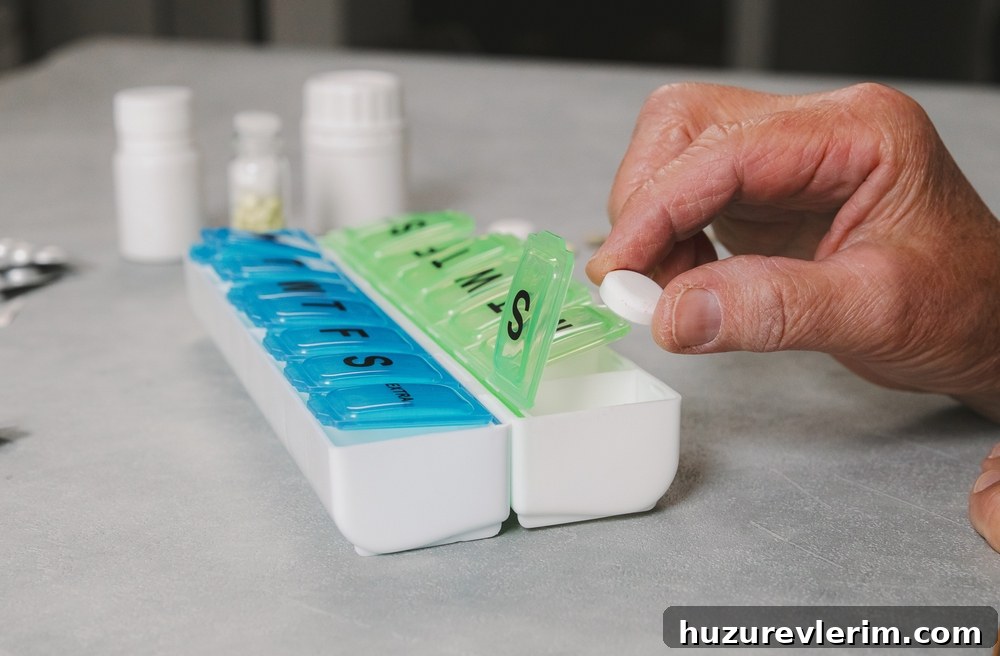
Staying healthy as we age involves more than routine medical visits. For many older adults, one of the most important—and sometimes difficult—instrumental activities of daily living (IADLs) is medication management. Taking medications correctly, consistently, and safely can be the difference between stable health and preventable complications. Yet the importance of medication management is often underestimated until a problem occurs.
Proper medication adherence is essential for healthier aging
Nearly half of adults over age 65 take five or more prescription or nonprescription medications weekly, and over 12% take ten or more. While each medication may be appropriate on its own, managing multiple prescriptions increases complexity and risk.
Medication mismanagement—missing doses or taking incorrect amounts—is linked to higher rates of falls, emergency department visits, hospitalizations, and other adverse drug events. The problem is especially common among older adults with cognitive decline. Medication adherence—taking medicines exactly as prescribed—is therefore a cornerstone of healthy aging and independence. When adherence falters, even slightly, health outcomes often worsen.
>> Related:ADLs vs. IADLs Part 4: What Are the Options When IADLs Become Difficult?
Why medication management often becomes challenging with age
Several age-related factors commonly make medication management more difficult.
Cognitive changes
Cognitive decline is a frequent issue that affects medication management. Mild memory impairment can make it hard to remember whether a dose has been taken, to understand dosing instructions, or to keep track of refills. Studies show that older adults with cognitive impairment—especially those with dementia—face significantly higher risks of hospitalization related to medication management difficulties.
More medications = more complexity
The sheer number of medications many older adults take adds to the challenge. Polypharmacy—the use of five or more medications—significantly increases the likelihood of nonadherence, particularly when drugs must be taken at different times or under different conditions. This cognitive load can overwhelm even well-organized individuals.
Physical limitations
Age-related physical changes can also complicate medication use. Osteoarthritis and reduced hand strength can make child-resistant caps difficult to open. Declining vision can interfere with reading labels or distinguishing similar-looking pills. These barriers increase the risk of skipped doses, accidental double-dosing, or incorrect administration, which can have serious consequences.
Cost constraints
Rising medication costs frequently affect adherence. Older adults living on fixed incomes may face high copays or coverage gaps that lead them to skip doses or delay refills. Research consistently identifies high medication cost as a predictor of intentional nonadherence, even when patients understand the importance of their prescriptions.
>> Related:Continuing Care at Home Gives Older Adults the Best of Both Worlds
When medication management becomes a shared responsibility
Medication challenges often extend beyond the individual to family members and caregivers. What may begin as occasional reminders can become full responsibility for sorting pills, overseeing administration, tracking refills, coordinating with clinicians, and monitoring for side effects or interactions.
Caregivers commonly experience emotional strain in this role. Managing another person’s medications demands constant vigilance, and errors can cause fear and guilt. Caregiver involvement tends to increase stress, particularly with complex regimens or resistance from the care recipient. Longstanding relationship dynamics and the desire to preserve independence can further complicate the situation.
Adult children who live far away face additional challenges: limited visibility into daily medication use, difficulty balancing caregiving with work and family, and the stress of coordinating care from a distance.
>> Related:When Is It Time to Call in Care Reinforcements for an Aging Loved One?
Medication management as an indicator of care needs
Because medication management involves cognitive, physical, and organizational skills, it is often an early indicator that a person may need additional support. Difficulties with medication adherence are closely linked to declines in functional independence and are commonly used by clinicians as a marker when assessing care needs—especially for people with cognitive decline.
This is why medication support is a central feature of assisted living, memory care, and other senior care options. Proper oversight reduces the risk of adverse drug events and reassures both residents and families.
Practical, tailored solutions for better medication management
The good news is that medication management challenges can be addressed with planning, appropriate tools, and support.
Simple, low-tech approaches
A useful first step is simplifying medication regimens. Pharmacists and clinicians can review prescriptions to remove unnecessary drugs, align dosing schedules, and reduce complexity. Simpler regimens consistently improve adherence and reduce errors.
Traditional tools—weekly pill organizers, clearly labeled medication trays, alarms, watches, and phone reminders—help externalize memory demands. These low-tech solutions are often sufficient for people with mild challenges and can greatly reduce missed doses. Keeping an up-to-date medication list that includes prescription and over-the-counter drugs is also essential for patients, families, caregivers, and healthcare providers to prevent interactions and ensure proper use.
High-tech options
Technology-based tools have also expanded and can improve adherence when they are easy to use and match personal preferences. Electronic medication dispensers can release the right dose at the right time and provide visual or audio cues; some models notify caregivers if a dose is missed. Clinical trials show that in-home electronic dispensing systems can reduce missed doses and caregiver stress for people with complex regimens.
Other innovations include smart pill bottles that track openings, wearable reminder devices, and connected dashboards that let family members or clinicians monitor adherence remotely. Mobile apps have been shown in trials to improve adherence and, in some cases, reduce hospital readmissions. No single solution fits everyone; tools work best when they align with an individual’s comfort level, cognitive abilities, and daily routine.
>> Related:How Technology Is Reducing Long-Distance Caregiver Burden
Choosing the right approach for health and peace of mind
Medication management is more than a daily chore; it is fundamental to safe, healthier aging. Because it reflects memory, mobility, finances, and emotional well-being, it often signals when additional support may be needed. The challenges are real but manageable. With thoughtful planning, appropriate tools, and the right level of assistance—whether from family, technology, or senior living services—older adults can maintain better health, greater independence, and peace of mind.
For families, open conversations and investment in effective medication management solutions are not only about preventing mistakes; they are about preserving dignity, independence, and quality of life over the long term.