
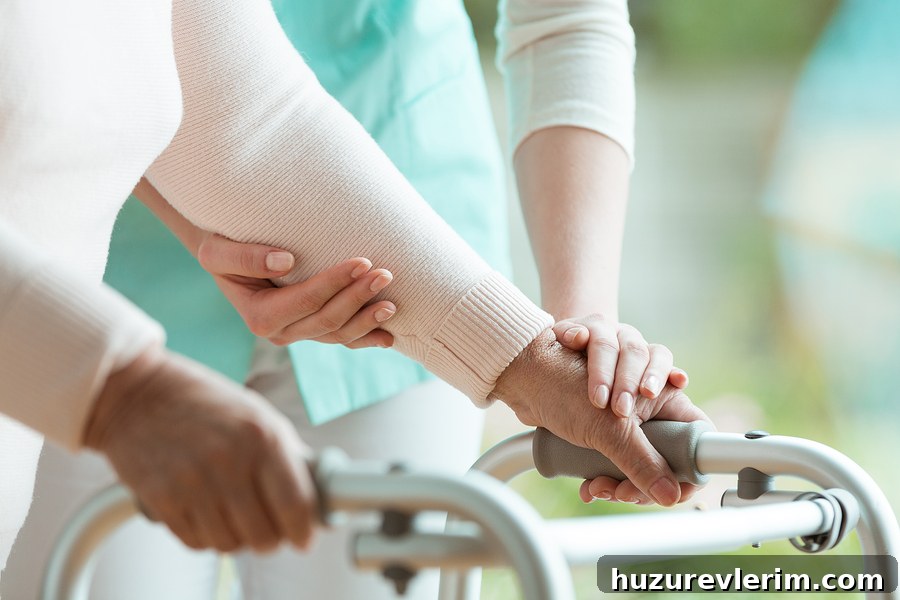
A special care unit (SCU) is an inpatient area within a healthcare facility that is specifically designed, staffed, and equipped to treat people with particular medical needs. SCUs are typically separated physically from other patient areas to provide focused care and a safer environment.
While SCUs have traditionally been found in hospitals, they are increasingly common in assisted living and skilled nursing facilities across the U.S. Examples of SCUs you may encounter in these settings include:
- Memory/cognitive care for people with Alzheimer’s disease or other forms of dementia. These units provide secure environments and targeted therapeutic programs tailored to memory loss and cognitive decline.
- Neurological care for residents with conditions such as Parkinson’s disease, Huntington’s disease, or those recovering from a stroke. Services often include physical, speech, occupational, and swallowing therapies.
- Orthopedic rehabilitation for individuals recovering from orthopedic surgery. These units are equipped with specialized rehabilitation tools and staffed by experienced therapy professionals.
- Cardiac/pulmonary care for patients with heart or lung conditions. Care may include exercise programs, smoking cessation support, breathing therapies, and education on lifestyle changes to support recovery and maintenance.
- Hospice care for people nearing the end of life. Hospice SCUs focus on comfort, symptom management, and emotional support for patients and their families.
A focus on memory care
Memory care is the most prevalent type of special care unit in long-term care settings. According to federal and academic sources, the U.S. has thousands of nursing homes and millions of long-term care beds, with special care unit beds representing a notable portion of that capacity. Memory care units make up a large share of those specialized beds, reflecting the high prevalence of dementia among nursing home residents.
Research indicates that roughly half of long-term nursing home residents have a diagnosis of dementia. A substantial number of people living with dementia will, at some point, reside in a nursing home, and a significant portion of deaths among people with dementia occur in these settings. These realities help explain the growing demand for memory-focused SCUs.
Memory care in CCRCs
Continuing care retirement communities (CCRCs), also called life plan communities, increasingly include memory care as part of their on-campus health services. Depending on the community and the resident’s stage of illness, memory support may be delivered in the general community, in a distinct memory “neighborhood,” or within a dedicated memory SCU inside the community’s healthcare center. As cognitive decline progresses, residents may transition to more secure or medically focused memory care settings on the same campus.
Is specialized care better care?
Given the large number of people with dementia and the expansion of memory care capacity, a key question is whether specialized memory units deliver better outcomes than standard nursing home or assisted living care. A study from a leading academic health policy department analyzed nationwide resident assessments, Medicare claims, and provider-level data and found that residents of nursing homes with specialized memory units experienced measurable quality improvements.
The research showed that admission to a facility with a memory care SCU was associated with reduced inappropriate antipsychotic use, fewer physical restraints, lower rates of pressure ulcers and feeding-tube placements, and fewer hospitalizations. These findings suggest that specialized settings can improve clinical care and reduce potentially harmful interventions.
Special memory care services
Memory care SCUs are tailored to the unique needs of people with dementia. Safety is a primary concern: many units employ secure exits, specialized locks, motion-activated lighting, and other features to reduce risks from wandering and falls. Water fixtures and bathroom fixtures may be designed to prevent scalding and other injuries.
Memory care environments also focus on reducing anxiety and confusion. Design elements like color-coded hallways, clear signage, and consistent layouts help residents with wayfinding. Staff members receive specialized training to support communication, daily living activities, and the emotional needs of people with cognitive impairment.
In addition to safety and design, memory care units typically offer therapeutic programs aimed at improving quality of life. Common approaches include art and music therapy, pet or animal-assisted therapy, reminiscence activities, sensory interventions, and meditation or relaxation programs. Some programs incorporate scent-based or other personalized therapies to stimulate memory and provide comfort.
Tailored care in special care units
Special care units exist to meet diverse needs—whether recovering from surgery, managing cardiac or pulmonary disease, rehabilitating after a stroke, or coping with progressive cognitive decline. As dementia prevalence rises, demand for specialized memory care will continue to grow.
While specialized memory care often delivers better clinical outcomes than standard care, it is typically more expensive. On average, room costs in assisted living are lower than those in dedicated memory care units, and costs rise further if skilled nursing services are required. For many families and residents, the improved safety, specialized programming, and better clinical outcomes justify the higher expense, but cost remains an important consideration when choosing care.