
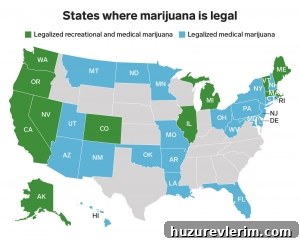
Image credit: Business Insider
Although marijuana remains illegal at the federal level, recreational and medical cannabis use has been legalized in multiple states and Washington, D.C., for adults over 21. Medical cannabis is also allowed in many other states. As legal access has expanded, use has increased across many age groups — notably among older adults. Recent research and national survey data show a clear rise in cannabis use by seniors, who are increasingly turning to marijuana for symptom relief and other reasons.
Several studies and national surveys document this trend. For example, a 2019 study from the University of Colorado reported a tenfold increase in marijuana use among residents 60 and older over the prior decade, with many seniors citing treatment of pain, anxiety, and depression. The 2017 National Survey on Drug Use and Health found that 9.4 percent of adults aged 60 to 64 had used marijuana in the previous year, a noticeable rise from earlier years. Among those 65 and older, past-year use rose to 3.7 percent, a substantial increase compared with previous decades.
More recent research reinforces these patterns. A study from NYU’s Grossman School of Medicine estimated a significant increase in cannabis use among adults 65 and older between 2015 and 2018, reporting a 75 percent rise during that period. In 2018 about 4.2 percent of seniors used marijuana, compared with 2.4 percent in 2015 and just 0.4 percent in 2006. These figures reflect growing interest in cannabis among older adults as both a therapeutic option and a recreational choice.
>> Related: CCRCs Help Seniors Stay Active for a Healthier Life
Possible medicinal benefits
Clinicians report increasing questions from older patients about therapeutic uses of cannabis. While long-term clinical evidence remains limited, clinicians and patients point to potential benefits for a range of symptoms. Medical experts, including those at major institutions, note anecdotal or preliminary evidence that cannabis products may help with anxiety, chronic nerve pain such as diabetic neuropathy or multiple sclerosis-related pain, depression, seizure disorders like epilepsy, glaucoma, insomnia, irritable bowel syndrome or Crohn’s disease, nausea and appetite loss associated with chemotherapy, post-traumatic stress disorder, movement-related tremors such as Parkinson’s disease, and wasting syndromes linked to conditions like HIV.
It’s important to differentiate cannabis varieties and products. Some strains are bred for higher concentrations of tetrahydrocannabinol (THC), the psychoactive compound that produces a “high.” Others are higher in cannabidiol (CBD), which tends to offer relaxation and symptom relief with minimal intoxicating effects. Product strength and composition vary widely across dispensaries and formulations, so consumers should understand what they are using.
>> Related: Ensuring Proper Nutrition for Seniors (…and How CCRCs Can Help)
Potential concerns for seniors
Although cannabis is generally considered less risky than opioids — overdose deaths from marijuana are effectively nonexistent — it carries potential risks that merit attention, especially for older adults. One concerning pattern is the rising number of seniors who report using marijuana in addition to alcohol. Data show this dual use increased substantially in recent years, though surveys do not always indicate whether both substances were used at the same time.
Geriatric specialists worry that seniors may be more sensitive to cannabis’s intoxicating effects, which can cause dizziness, impaired coordination, and increases in fall risk. Falls are a leading cause of injury among older adults, so any factor that increases dizziness or balance impairment raises safety concerns.
There are also medical concerns tied to certain conditions and heavy or frequent cannabis use. Some studies suggest possible cardiovascular risks for people who have recently experienced heart attacks. Other research has linked heavy recreational cannabis use to lower bone mineral density in the hip and spine, which could raise fracture risk. Medication interactions are another important issue: cannabis can alter how the body metabolizes common drugs. For example, evidence suggests cannabis may increase blood serum levels of warfarin, a widely prescribed blood thinner, potentially raising bleeding risk.
>> Related: Adult Swim: Study Finds Senior Swimmers Less Likely to Experience Falls
Need for more research and careful use
Public attitudes toward cannabis have shifted. Polling shows a growing share of older Americans view marijuana use as morally acceptable, and overall public support for legalization has risen. With increased acceptance and use among seniors, clinicians and researchers emphasize the need for more rigorous studies to clarify benefits, optimal dosing, long-term safety, and interactions with age-related conditions and common medications.
If you are an older adult considering cannabis for medical or recreational use, consult your physician before starting. A healthcare provider can review your medical history, medications, and specific risk factors to help determine whether cannabis is a safe and appropriate option. Be aware that many modern cannabis products are stronger than past varieties, and older adults may be more sensitive to their effects. Start low and go slow, prioritize safety, and monitor for side effects such as dizziness or changes in balance that could increase fall risk.