
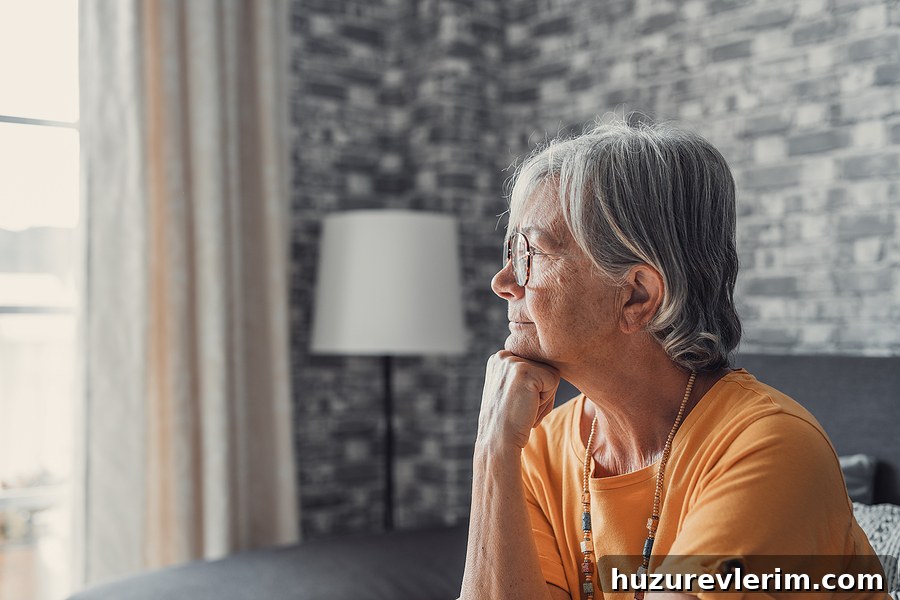
Although COVID may never be completely gone, many aspects of life have returned to pre-pandemic routines. A recent poll indicates that seniors’ feelings of loneliness have also eased compared with the pandemic peak, but experts say the current levels remain concerning.
Quantifying senior loneliness
The January 2023 National Poll on Healthy Aging (NPHA), conducted by the University of Michigan’s Institute for Healthcare Policy and Innovation, surveyed 2,563 adults aged 50 to 80 about their social interactions and experiences of isolation. The poll repeated the same questions with similar samples in 2018, 2020, 2021, and 2022, allowing comparison over time.
Key findings from the 2023 poll include:
- About one third (34 percent) of older adults said they sometimes or often feel isolated from others. That figure is down from the pandemic high of 56 percent in June 2020 but remains above the 27 percent reported in 2018, before the pandemic.
- More than a third (37 percent) reported feeling a lack of companionship in the past year. This was slightly lower than the 41 percent recorded in June 2020 and a touch higher than the 34 percent seen in 2018.
- One in three (33 percent) said they had social contact with family they don’t live with, friends, or neighbors once a week or less. That rate improved from 46 percent in 2020 but remains higher than the 28 percent reported in 2018.
>> Related: The Key Difference Between Social Isolation & Loneliness
Increasing the risk of loneliness and isolation
The poll identified several risk factors for loneliness and isolation, including unemployment, living alone, being aged 50–64, and being female. It also showed strong links between poorer mental and physical health and higher rates of loneliness and social isolation.
Mental health
Older adults who described their mental health as fair or poor reported markedly worse social outcomes. Seventy-three percent of this group said they felt a lack of companionship, more than double the 33 percent among those reporting good to excellent mental health.
Similarly, 77 percent of people with fair or poor mental health said they sometimes or often felt socially isolated, compared with 29 percent of those with better mental health. More than half (56 percent) of the fair/poor mental health group reported infrequent social contact, while only 30 percent of the better mental health cohort reported the same.
Physical health
Poorer physical health was also associated with higher rates of loneliness and isolation. Among respondents who rated their physical health as fair or poor, 55 percent felt a lack of companionship, compared with 33 percent of those in good to excellent health.
Reports of social isolation followed a similar pattern: 55 percent of those in poorer physical health said they sometimes or often felt isolated versus 29 percent of those in better health.
>> Related: Suicide Among Seniors: An All-Too-Common Tragedy
A lingering pandemic issue?
Using 2018 as a pre-pandemic baseline, 27 percent of older adults said they felt isolated some of the time or often. That figure more than doubled to 56 percent in June 2020 as the pandemic began. Since then, the share reporting isolation has steadily declined—46 percent in January 2021, 44 percent in January 2022, and 34 percent in January 2023.
While the downward trend since 2020 is encouraging, the fact that more than one third of older adults still report feelings of social isolation shows that we have not returned entirely to pre-pandemic levels. Whether this represents a lingering pandemic effect, a shift in society, or a change in personal circumstances is unclear, but several factors likely contribute.
>> Related: “Smart Aging” Technology Makes Seniors’ Lives Simpler, Safer, More Social
A lost sense of community
Senior housing occupancy fell sharply during 2020 and 2021, as many residents and prospective residents avoided communal living during the pandemic. The senior living industry posted a record low occupancy rate of 77.8 percent in the second quarter of 2021, down from about 87 percent before the pandemic. By the end of 2022, occupancy rates had largely recovered to pre-pandemic levels in many areas, and demand has in some cases begun to exceed supply, particularly for assisted living.
During the downturn, many seniors left community living situations that offered regular social contact, amenities, and accessible transportation. For some, that move meant losing an established support network and daily opportunities for interaction. Even as many residents return and regain that social safety net, others have not returned—some because their health has since changed and they are no longer eligible for certain types of communities.
These shifts in living arrangements may help explain part of the increase in loneliness observed when comparing pre-pandemic and post-pandemic survey results. Community ties and daily social structures matter for emotional well-being, and interruptions to those connections can have lasting effects.
As senior living occupancy continues to rebound and communities reestablish activities and supports, it is hoped future polls will show a continued decline in loneliness and social isolation among older adults.