
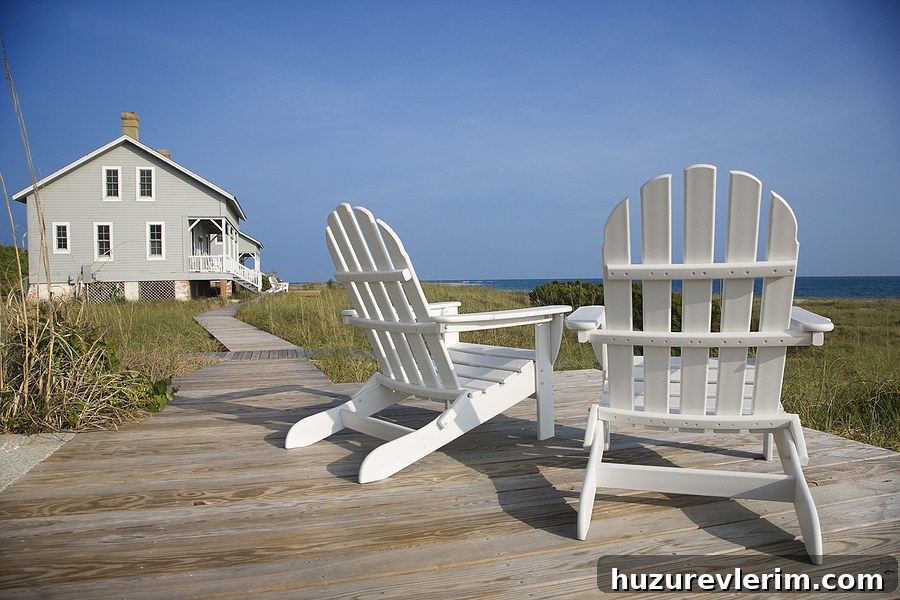
Vacation season is here, and after a year of lockdown many people are ready for a change of scenery. If you are near retirement, this time may prompt you to consider buying a second home — either to split your time between two residences or to make your new home your primary residence in retirement.
Considerations for a second home in retirement
If you have paid off your primary residence, funded retirement accounts and emergency savings, and planned for other major expenses such as college tuition, a vacation home may be within reach. Still, buying a second property brings advantages and drawbacks. Below are important factors to evaluate before taking the plunge.
>> Related: The Value of a Solid Support System During Retirement
Location
Real estate’s mantra — location, location, location — is especially relevant when choosing a second home for retirement. Think about what type of environment suits you: beach, mountains, small town, or city. Consider proximity to family and friends, since social support becomes more important with age.
Equally important is access to healthcare: preventive services, urgent care, and hospitals. A remote retreat may be attractive, but long drives to medical care can become a serious issue later in life. Balance beauty and solitude against practical access to services you may need.
Cost
Beyond the purchase price, owning a second home carries ongoing costs. Budget for property taxes, homeowners’ association fees (if applicable), homeowners’ insurance, utilities, and routine maintenance. Don’t forget seasonal expenses like lawn care, snow removal, and periodic repairs. Accurately estimating these expenses helps avoid surprises that could strain retirement income.
Accessibility
As you plan for the future, evaluate the home’s layout and accessibility. A single-level floor plan or a first-floor master with an accessible bathroom (such as a walk-in shower) can reduce mobility challenges later on. Count the stairs to enter the house and reach bedrooms, and inspect hallways and doorways for width and ease of movement.
Look for good lighting, non-slip flooring, and features that promote safety and comfort. If you may live in the home full-time one day, these design elements become even more valuable. Active adult or 55+ communities often offer homes with accessibility in mind, which can simplify the transition to retirement living.
>> Related: The Pros & Cons of 55+ Active Adult Communities
Other important financial factors
How will you pay for it?
Home equity in your primary residence is a common source of funding for a second home, and owning your current home outright makes the purchase more feasible. However, tapping equity requires careful thought. You may later want to sell your primary residence to move into a life-plan community, or you may need that equity to fund in-home care. Consider how borrowing against your home fits with long-term plans.
Do you hope to earn rental income?
Some owners offset costs by renting their second home or their primary residence when they are not using it. Rental income can help, but it’s risky to rely on it as a guaranteed source. Demand can be seasonal and location-dependent, and rental rules vary by community and municipality. Managing a rental remotely is time-consuming; professional property managers simplify the work but typically charge a substantial portion of rental revenue, often 20–35% or more.
What are the tax and estate implications?
Deciding which property to designate as your primary residence affects taxes, especially if the homes are in different states. Consult a tax professional to understand income tax, property tax, and potential deductions for second-home ownership. Likewise, update your estate plan to reflect the additional property. An estate attorney can advise how the purchase affects inheritance, estate taxes, and the responsibilities of your executor.
>> Related: You May Be Able to Deduct Some CCRC Costs from Your Taxes
Easing into retirement with a second home
When planned carefully, a second home can be an enjoyable and practical part of retirement. It can ease the transition from full-time work to retirement living by allowing you to split time between properties before committing to one location permanently.
Many retirees use a gradual approach: spend seasons or months at the second home while keeping the primary residence for familiarity and convenience. This method reduces the emotional strain of selling a long-time home and provides time to downsize and declutter at a comfortable pace.
Over time, living part-time in the vacation home can prepare you for a full move there or for a later transition into a life-plan community that offers a continuum of care. With thoughtful planning around location, cost, accessibility, and financial implications, a second home can enhance your retirement lifestyle and provide peace of mind for the years ahead.