
We are living in a distinctive technological era where innovations arrive almost daily, many designed to make everyday life simpler. A growing portion of these advances—especially in artificial intelligence (AI), voice control, and connected devices—are focused on helping older adults live more comfortably, safely, and independently. Below is an overview of current “smart aging” technologies and practical ways they are being adopted by seniors and senior living communities.
Personal voice assistants
Personal voice assistants (PVAs) such as Amazon’s Echo family, which respond to wake phrases like “Alexa,” combine voice control with AI to perform a wide range of tasks hands-free. These devices are especially helpful for seniors who experience reduced vision, limited dexterity, or mobility challenges.
Research has shown multiple benefits of PVAs for older adults, including social connection and reduced feelings of isolation. Many senior living communities are piloting or adopting these systems across residences to enhance resident experience and convenience.
For example, some communities are introducing Echo Show devices that add a touchscreen interface to voice control. With simple voice commands, residents can:
- Adjust lighting, blinds, and thermostats without needing to reach switches
- Place phone and video calls to family, friends, and caregivers
- Check dining menus, activity schedules, and daily announcements
- Set medication reminders and other personal alerts
- Message or call staff and neighbors quickly
- Request assistance during an emergency
Staff can also broadcast important messages to residents via voice announcements or visual cards on display screens, keeping everyone informed about events, schedule changes, and safety notices.
Smart home technology
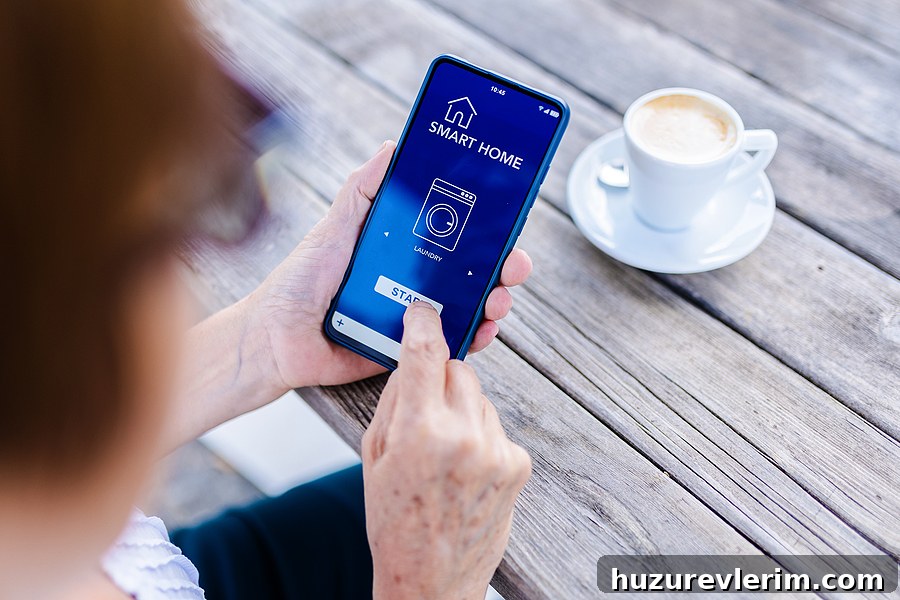
Smart home systems continue to expand their role in promoting safety, convenience, and independence for older adults. Many seniors now own smartphones, which makes it easier to connect and manage Wi‑Fi-enabled devices from apps or through PVAs.
Common smart home solutions that benefit older adults include:
- Video doorbells: Motion-activated or ring-triggered cameras let residents see and speak with visitors remotely, improving security and deterring package theft.
- Smart lighting: Voice-, motion-, or app-controlled lights can prevent falls by illuminating pathways automatically, act as timers when homes are empty, and improve safety for those with low vision.
- Motion sensors and monitoring cameras: These devices help monitor activity patterns and can alert caregivers to unusual behavior or potential problems. Some systems use analytics to detect deviations from typical movement patterns and flag concerns early.
- Smart appliances: Connected washers, dryers, and dishwashers can run energy-efficient cycles, be scheduled to operate during off-peak hours, and send alerts when a cycle finishes—reducing effort and saving energy.
These technologies not only protect and support residents but also ease the burden on family and professional caregivers by enabling remote check-ins and automated alerts.
Companion robots
Companion robots are emerging as a novel way to address both social and care needs. Early models aim to offer affordable, practical support for people with cognitive impairments and for older adults who would benefit from regular reminders, engagement, and monitoring.
Some robotic companions combine AI, autonomous movement, and remote monitoring features so they can assist in home and healthcare settings. Typical capabilities include:
- Conversational AI that provides reminders, prompts, and companionship
- Autonomous navigation to move safely through a home or facility
- Continuous monitoring and the ability to connect care professionals for remote oversight
- Fall detection and emergency notifications
- Engagement features for cognitive stimulation and entertainment
These devices can extend the time someone safely remains at home, supplement caregiving staff in clinical settings, and provide an extra layer of oversight for families managing long-distance care.
Smart aging innovations that improve quality of life
Collectively, voice assistants, smart home systems, and companion robots represent only a portion of the growing “smart aging” ecosystem. When thoughtfully deployed, these technologies can enhance safety, preserve independence, reduce social isolation, and help address caregiver shortages. As adoption grows and designs become more accessible, smart aging tools have the potential to significantly improve older adults’ daily lives now and into the future.