The death of a spouse or partner is one of the most profound losses a person can face. The person who shared daily life, supported you through good and bad times, and helped raise a family leaves a significant void when they are gone.
Grieving is difficult at any age, but it can be particularly challenging for older adults. The familiar stages of grief—denial, anger, bargaining, depression, and acceptance—can feel overwhelming. For many seniors, the deep depression that accompanies loss can be especially debilitating.
Health consequences for the surviving spouse
For some older adults, caregiving was their central role, particularly if they cared for a partner through a long illness. When that person dies, the surviving spouse may lose a sense of purpose or experience survivor’s guilt.
Grief affects both mind and body. During mourning, people commonly have trouble sleeping, lose interest in eating or daily activities, and struggle with concentration and decision-making. Grief-induced stress can weaken the immune system, which helps explain why surviving partners sometimes become ill or die soon after their spouse.
Isolation compounds these risks. Loneliness is widely recognized as harmful to seniors’ health; those who live alone after losing a partner face increased risk for heart disease, stroke, depression, dementia, and premature death.
The struggle of living alone
Beyond the emotional toll, the practical realities of living alone can be daunting. Couples often divide household duties; when one partner dies, the survivor may suddenly be responsible for paying bills, preparing meals, yardwork, home maintenance, and taxes. Managing all of these tasks alone can be exhausting.
Many essential chores may go unattended when one person must take on every responsibility. Hiring outside help for cleaning, landscaping, cooking, or repairs can be expensive. Alternatively, family members—often adult children—may step in to help, essentially becoming unpaid caregivers, which carries its own emotional, physical, and financial burdens.
The comfort of close-by care
One of the primary reasons older adults choose a continuing care retirement community (CCRC), also called a life plan community, is the on-site continuum of care. The benefits extend beyond medical services: CCRCs provide practical and emotional supports that matter at the end of life and for the surviving partner.
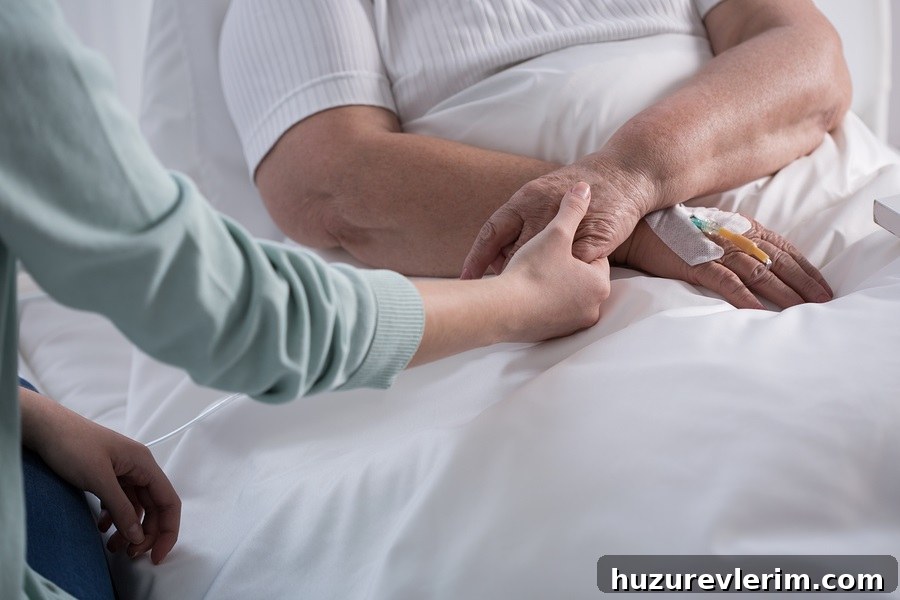
An on-site skilled nursing center makes it easier for partners to spend time together in a familiar setting as a loved one’s condition worsens. Proximity removes the logistical hurdles of traveling to a distant hospital or nursing home, allowing families to focus on being present with one another.
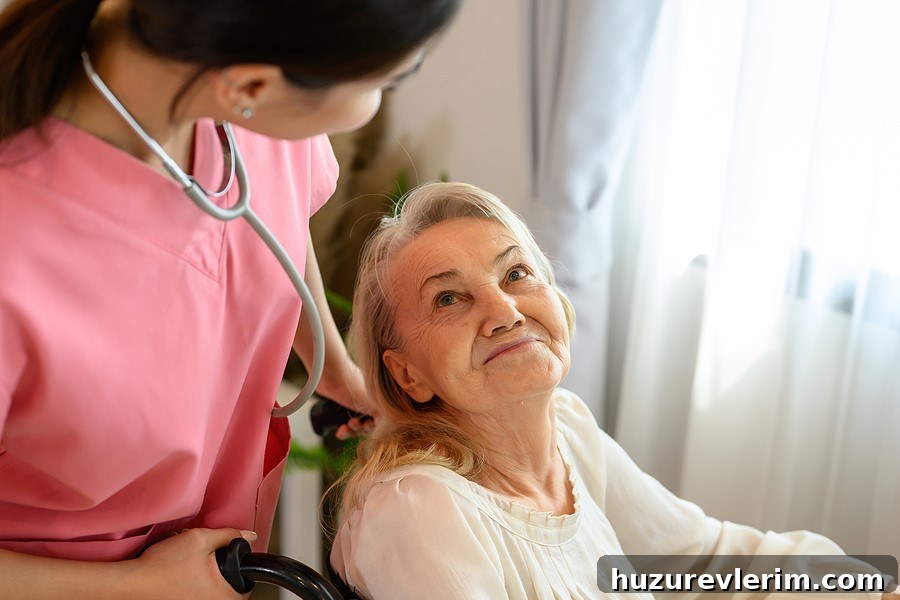
Having professional care available on campus also lets family members concentrate on comfort and quality time rather than coordinating or performing complex care tasks themselves. That focus can preserve meaningful moments and reduce caregiver strain.
Support from friends and professionals
Life in a CCRC includes both close friendships and convenient proximity to supportive neighbors. When a resident loses a partner, that built-in community often rallies to provide comfort, meals, companionship, and practical help.
Many communities offer formal programs—such as grief support groups, pastoral care, and counseling services—that help residents process loss. In faith-based settings, trained volunteers sometimes provide peer support through programs like Stephen Ministry.
Beyond peer support, CCRCs typically provide professional assistance with logistics, paperwork, funeral planning, and referrals to community resources. Social work and chaplaincy teams often coordinate to ensure emotional and spiritual needs are addressed and to help the surviving spouse manage necessary tasks after a loss.
Living with loss
The death of a spouse imposes both emotional and physical challenges, particularly for seniors with existing health vulnerabilities. Adjusting to life alone after many years together can feel intimidating, and everyone mourns in their own way. Finding ways to adapt and regain a sense of purpose is essential to moving through bereavement.
For older adults who remain independent, maintaining engagement and avoiding isolation can be difficult. While family and friends often provide immediate support, those visits may dwindle over time, increasing the risk of loneliness and depression.
In contrast, CCRCs are designed with social connections and services that help residents navigate grief. Close neighbors and friends within the community offer informal support, while organized events and shared meals provide regular opportunities for social interaction. On-staff social workers, counselors, and chaplains are available for professional support, and community meal programs help ensure the surviving spouse receives proper nutrition.
Life after the loss of a spouse will inevitably change, but the supportive environment of a CCRC can help the surviving partner adjust, find new sources of companionship, and cultivate a renewed sense of purpose.