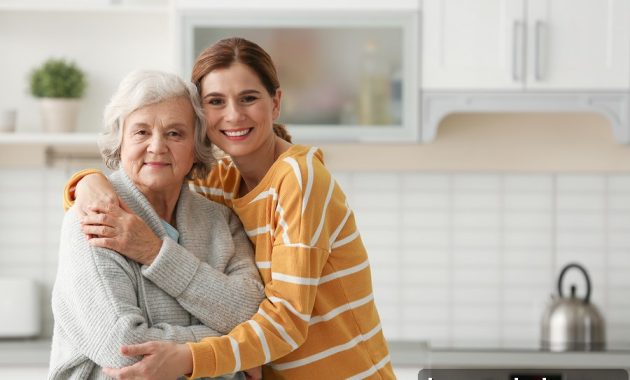
Caregiving affects millions of Americans and continues to shape family life, work, and community support systems. Every few years the National Alliance for Caregiving (NAC) and AARP survey family caregiving across the United States. Their latest report, Caregiving in the U.S. 2020, reveals several important trends that affect caregivers and care recipients alike.
Rise in unpaid family caregiving
Between 2015 and 2020, the number of unpaid family caregivers in the U.S. grew by nearly 10 million people, from 43.5 million to 53 million. Today, more than one in five adults (about 21 percent) provided care to a relative or a child with special needs at some point during the past year.
Focusing on adult care recipients, the number of adults providing care rose from 39.8 million (16.6 percent of the adult population) in 2015 to 47.9 million (19.2 percent) in 2020—an increase of over 8 million. Much of this growth stems from a sharp rise in caregivers serving people aged 50 and older, which climbed from 34.2 million to 41.8 million in five years.
More caregivers are supporting multiple people
The 2020 survey shows a growing share of caregivers are looking after more than one person. Nearly a quarter (24 percent) of unpaid adult caregivers are providing care to two or more people, up from 18 percent in 2015. When combined with the broader rise in caregiving, this points to an expanding population of Americans who are offering unpaid support to family members and friends with varying needs.
The report attributes these changes to multiple factors: more aging Baby Boomers needing care, workforce shortages in long-term care, policies that encourage home-based care, and greater recognition among individuals that the tasks they perform qualify as “caregiving.”
Who receives care
Among adult caregivers, nearly nine in ten (89 percent) provide care to a relative—most commonly a parent or parent-in-law (50 percent), followed by a spouse or partner (12 percent), grandparent or grandparent-in-law (8 percent), and adult child (6 percent). Ten percent of caregivers support a friend or neighbor. Many caregivers live with the person they help (40 percent), a share that has increased since 2015.
Age patterns remain consistent: older caregivers tend to care for older recipients. About three-quarters of caregivers aged 75 and older are caring for someone in that same age group, while 81 percent of caregivers ages 18 to 49 are assisting someone age 50 or older.
The health of care recipients appears to have worsened since 2015:
- Sixty-three percent of caregivers report their adult care recipient needs help due to a long-term physical condition, up from 59 percent in 2015.
- Twenty-seven percent say the recipient requires care because of emotional or mental health issues, compared with 21 percent in 2015.
- Care for people with memory problems rose from 26 percent in 2015 to 32 percent in 2020, including care for those with Alzheimer’s disease or dementia (26 percent, up from 22 percent).
On average, caregivers in 2020 reported their care recipient had 1.7 health conditions, an increase from 1.5 in 2015. The rise in comorbid conditions suggests caregivers are supporting recipients with increasingly complex medical and support needs.
Types of help caregivers provide
The nature and amount of assistance remain similar to 2015. Caregivers typically offer about 24 hours of unpaid care per week. Nearly all caregivers (99 percent) assist with Instrumental Activities of Daily Living (IADLs) such as cooking, cleaning, transportation, and shopping. Sixty percent help with Activities of Daily Living (ADLs) like bathing, dressing, eating, and toileting. Additionally, 58 percent perform medical or nursing-related tasks.
Physical and financial toll on caregivers
Caregiving brings both meaning and strain. While about half of caregivers report a sense of purpose, growing numbers describe physical, emotional, and financial stress and say their own health is suffering because of caregiving responsibilities.
Fewer caregivers rate their health as “excellent” or “very good” compared with 2015—48 percent then versus 41 percent in 2020. Reports of “fair” or “poor” health rose from 17 percent to 21 percent. Nearly one in four caregivers (23 percent) say they find it difficult to care for their own health, and the same share report their health has worsened due to caregiving. One in five caregivers report feeling isolated.
Financial impacts are common:
- 18 percent report high financial strain from caregiving.
- 45 percent experienced at least one financial impact because of caregiving.
- 28 percent stopped saving.
- 23 percent took on additional debt.
- 22 percent used short-term savings.
- 12 percent tapped long-term savings.
Work is also affected: 61 percent of caregivers are employed while providing unpaid care, often needing flexible schedules, late arrivals, early departures, or time off. Ten percent have left work or retired early to meet caregiving demands, with long-term consequences for income, retirement savings, and Social Security benefits.
Looking ahead
The average duration of unpaid caregiving is 4.5 years, and the share of caregivers providing care for five years or more increased from 24 percent in 2015 to 29 percent in 2020. As caregiving becomes more common and longer-lasting, society must develop practical solutions to support both care recipients and the unpaid caregivers who assist them. Technology and assistive devices can help, but they complement rather than replace the essential human contact and personal care families provide.