
What is the essence of life? To serve others, and do good. — Aristotle
Many Baby Boomers hesitate to even think about the “R-word”—retirement. After four decades or more in careers they love, the idea of entering a phase without daily work obligations can feel disorienting, like being sent out to pasture. Yet retirement doesn’t have to mean stepping away from meaningful activity forever. It can offer freedom to spend time with family, travel, or explore hobbies—and it’s also an ideal time to give back through volunteering. After years of promotions, raises, and steady responsibilities, many older adults discover renewed purpose, social connection, and even health benefits when they devote time to others.
Good for a senior’s mind, body & soul
Research increasingly shows that volunteering benefits seniors physically, mentally, and emotionally. One notable study found that adults over 50 who volunteered regularly—roughly 200+ hours in a year—were less likely to develop high blood pressure than non-volunteers. Lower blood pressure reduces the risk of heart disease, stroke, and early death. Investigators suggest that regular volunteers tend to be more physically active, and they also gain stress relief from the social interaction and sense of purpose that comes with community service.
Other research links volunteering to increased longevity, but with an important caveat: the benefits are strongest when motivations are genuinely altruistic. Seniors who volunteer from a sincere desire to help others experience the most positive health and lifespan outcomes, highlighting that intention matters as much as activity.
It’s not work if you love it
If you’re ready to explore volunteer options locally or abroad, there are organizations dedicated to matching older adults with meaningful roles. Programs created during the era of the Peace Corps and AmeriCorps continue to connect volunteers aged 55 and older with nonprofit organizations that value experience, mentorship, and steady commitment. When searching for opportunities, consider roles that draw on your professional skills—these contributions are often in high demand and deeply appreciated.
Teachers and professors: Schools, libraries, and literacy programs need tutors and guest lecturers. Sharing knowledge—whether with elementary students or college classes—offers lasting impact and regular social engagement.
Accountants: Many nonprofits benefit from volunteer bookkeeping and financial guidance. Programs that mentor small business owners also welcome experienced accountants and business professionals to provide coaching and practical advice.
Doctors and dentists: Retired medical professionals can volunteer at free clinics, health fairs, and community outreach events. These roles help address unmet healthcare needs and allow clinicians to continue using their skills in service to underserved populations.
Clergy: Pastors and spiritual leaders can assist congregations with guest sermons, offer support for hospice programs, and serve in faith-based nonprofit settings that provide comfort and guidance to people in need.
Construction: Anyone with construction, carpentry, or handyman experience can make a big difference with organizations that build or repair homes, community centers, and other vital structures.
An opportunity for everybody
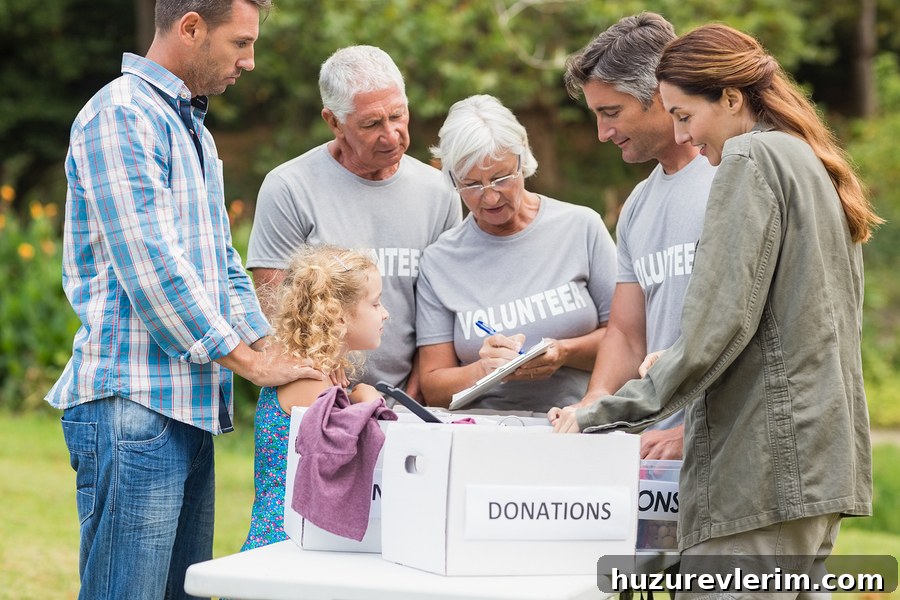
Volunteer roles suit virtually every skill set, interest, and schedule. Community centers, mentoring programs, animal shelters, food banks, soup kitchens, blood drives, fundraising events, and seasonal outreach all welcome volunteers with varying time commitments. Choose causes that resonate with your values—many seniors find that the sense of connection and accomplishment volunteer work provides rivals or exceeds the satisfaction they experienced during their working years. Retirement can become a period of renewed purpose, social engagement, and meaningful contribution to the community.