Covid-19 produced lasting changes in nursing homes, assisted living facilities, and short-term rehabilitation centers. Beyond the widely reported shifts such as enhanced safety protocols and social distancing measures, the pandemic triggered several important ripple effects that are improving resident outcomes and operational resilience. Notable long-term improvements include stronger crisis communication, more effective infection prevention, and better indoor air quality.
One of the clearest lessons of the pandemic was the need for robust crisis communication systems. Many facilities discovered they lacked consistent processes for communicating during an emergency—whether the issue was an infectious outbreak, a natural disaster, an eloping resident, or a reputational incident. Effective crisis communication balances timeliness with accuracy: responding too quickly without a clear message can cause confusion, while responding too late can allow rumors to spread and harm to escalate. Facilities that planned ahead—developing crisis response teams, clear messaging protocols, and designated spokespeople—were able to manage incidents more smoothly and recover more quickly. Having documented plans for safety, prevention, and public updates reduces uncertainty for staff, residents, and families and supports better outcomes during future emergencies.
Covid-19 also accelerated improvements in cleaning, sanitation, and general infection control practices. The heightened focus on hygiene translated into more rigorous cleaning schedules, thoughtful use of disinfectants, and improved hand hygiene among staff and visitors. These measures have had benefits beyond preventing Covid-19: they contributed to a sustained reduction in other healthcare-associated infections and improved overall resident health. Stronger sanitation routines have become part of everyday operations, raising the quality of life and safety for residents.
Facilities also expanded and formalized infection prevention protocols. Many care providers integrated infection control into employee onboarding and ongoing training, emphasizing best practices and situational awareness. In several settings, programs shifted toward prioritizing handwashing with soap and water over sole reliance on gel sanitizers, and they standardized the use and replacement of personal protective equipment such as masks and gloves. Regular training, clear expectations, and routine monitoring have made infection prevention an embedded part of organizational culture rather than a temporary response to a single crisis.
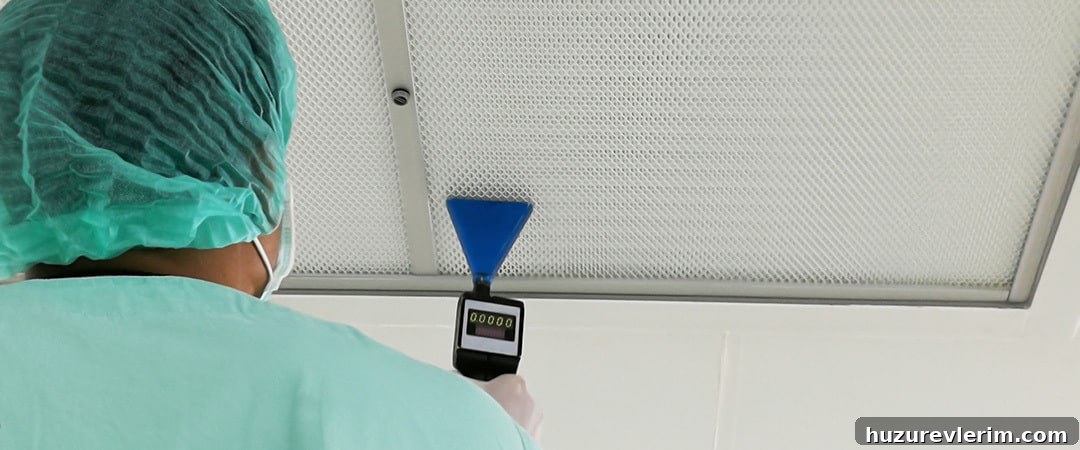
Improved indoor air quality emerged as another important area of focus. The pandemic underscored how ventilation, filtration, and overall building systems affect airborne disease transmission and resident wellbeing. Older facilities in particular face challenges maintaining optimal air quality, but upgrades to HVAC systems, better filtration, and working with specialists in environmental health can substantially reduce airborne contaminants. Cleaner air benefits residents with chronic respiratory conditions, weakened immune systems, or advanced age, and contributes to a healthier environment for staff and visitors as well.
Together, these changes represent meaningful, lasting improvements for senior care settings. Better crisis communication reduces confusion and reputational risk during emergencies. Enhanced cleaning and infection prevention practices lower the incidence of disease and improve resident safety. And investments in air quality protect vulnerable populations and support long-term health. While the pandemic brought many hardships, these operational advances offer durable benefits that can save lives and enhance quality of care across nursing homes and rehabilitation centers.