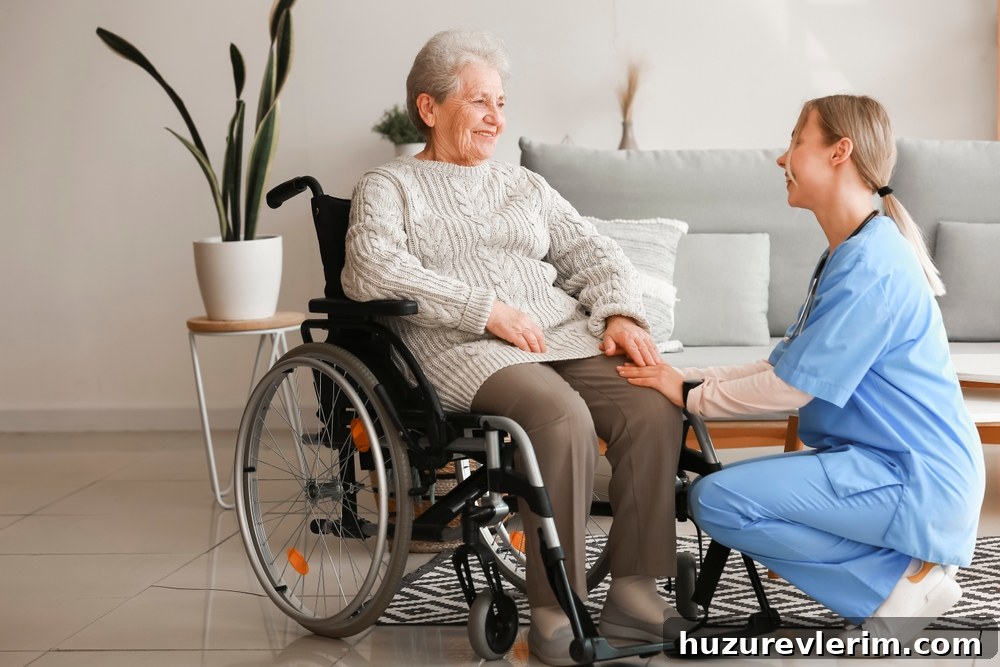
With COVID-19 cases down in many parts of the country, school breaks, and a host of religious holidays this month, many people will be visiting older relatives for the first time in a long while. Those visits are an excellent opportunity to reconnect and also to assess an older loved one’s health and safety.
Ideally, you’ll find your relative or friend happy and healthy despite time apart. But sometimes visits reveal concerning changes in mental or physical condition, and that can be especially worrying if the person lives alone.
What should you look for when evaluating an older person’s wellbeing? How do you know when it’s time to arrange help? And what caregiving options exist, particularly if you don’t live nearby?
>> Related: The Challenge of Long-Distance Caregiving
Assessing the situation
When you visit an older loved one’s home, pay attention to signs that indicate changes in behavior or daily routines. You’re essentially checking whether they can comfortably and safely manage their everyday life.
Household conditions
Is the home generally clean and maintained inside and out? Are essential repairs being handled? Are bills being opened and paid? Is the car in good condition, without new damage?
Personal hygiene and appearance
Are they dressed appropriately for the weather and occasion? Is their clothing clean and tidy? Are they bathed and groomed, and free of strong odors? Do they appear free of unexplained cuts, bruises, or signs of recent falls?
Wellness and nutrition
Is there an adequate supply of nutritious food? Are they maintaining a stable, healthy weight rather than losing or gaining a lot? Are they taking prescribed medications at the correct doses and timing? Are regular medical and dental appointments being kept?
Behavior and socialization
Can you hold a normal conversation with them? Are they still pursuing hobbies and attending social activities they used to enjoy? Is their mood consistent with what you expect?
Safety
Do they move around the home with relative ease, including using stairs if present? Can they sit and stand without assistance? Do they remember safety tasks like turning off the stove or locking doors?
>> Related: What’s the True Cost of Staying in the Home?
When it’s time for assistance
If you answered “no” to any of the above, it may indicate a need for help with activities of daily living (ADLs) such as bathing, dressing, and eating, or with instrumental activities of daily living (IADLs) like housekeeping, shopping, managing finances, and transportation.
Broaching this topic can be sensitive. Many older adults value independence and may resist acknowledging limitations. Waiting for them to ask for help outright often doesn’t work.
Begin conversations by identifying specific tasks they find harder and ask how their life could be made easier or more enjoyable. Use that as a gentle lead-in to suggesting outsourcing certain chores or arranging services. For smaller needs—housekeeping or handyman help—resistance is often minimal. For more personal care or assisted living needs, expect stronger pushback and approach the topic with patience and empathy.
>> Related: How to Constructively Talk with Parents About Senior Housing Options
Options for care
If you determine your loved one can no longer safely or healthfully live alone, consider caregiving options that range from paid in-home help to moving into a senior living community that offers care services, such as assisted living.
Paid in-home care can be costly depending on the hours and level of assistance required—often running into thousands of dollars per month. Assisted living communities also carry monthly fees for housing and services. At the same time, unpaid family caregiving has its own costs: lost income, out-of-pocket expenses, time away from work or children, emotional strain, and physical demands.
>> Related: The State of Unpaid Family Caregiving in the U.S.
A preemptive solution for potential care needs
Accepting that aging may require changes in daily living is difficult for many people, as is the idea of asking for help. For some, a proactive move to a senior living community—such as a continuing care retirement community (CCRC or life plan community)—while still healthy and independent makes sense. Doing so allows them to enjoy services, social opportunities, and amenities that reduce stress and support wellness.
Moving earlier helps seniors settle into a new home, build friendships, and participate in community life before higher levels of care become necessary. Many CCRCs also require new residents to be generally healthy at move-in, which is another reason earlier relocation can be advantageous.
>> Related: Can a Move to a Retirement Community Make You Healthier?
Care plus peace of mind
Residents who choose CCRCs often experience better overall wellbeing compared with peers who remain in the wider community. These communities offer maintenance-free living designed for safety, nutritious meals, housekeeping, social programming, and access to a continuum of care if needs change.
Beyond services and amenities, one of the greatest benefits of a CCRC is peace of mind—for the resident and their family. Knowing that a full range of care options is available as needs evolve reduces anxiety about “what if” scenarios and simplifies many difficult decisions around self-care, nutrition, social isolation, and household maintenance.
For families and seniors facing the uncertainty of aging, a CCRC can be a thoughtful, preemptive approach to securing quality care and support while preserving independence and dignity.