Each May since 1963, our nation has observed Older Americans Month (OAM), a time to recognize and celebrate the contributions and achievements of older adults. This year marks the 60th anniversary of OAM, and the theme “Aging Unbound” highlights the importance of preserving independence and autonomy while pursuing personal fulfillment throughout later life.
But what does “Aging Unbound” mean in practice? How can this idea guide both individuals and the senior living industry as they plan for the future and present themselves to prospective residents?
Aging unbound and positively
There is a close connection between “Aging Unbound” and the concept of positive aging. Positive aging embraces growing older as a natural, healthy stage of life and encourages people to adopt the strategies and supports that allow them to keep doing what they love. It focuses on maintaining purpose, mobility, social engagement, and intellectual curiosity as key elements of well-being.
The Administration for Community Living (ACL), which sponsors Older Americans Month, emphasizes that “Aging Unbound” involves challenging stereotypical and often negative perceptions of aging. Seniors and their communities can help reshape that narrative in practical ways.
Embracing opportunities to change
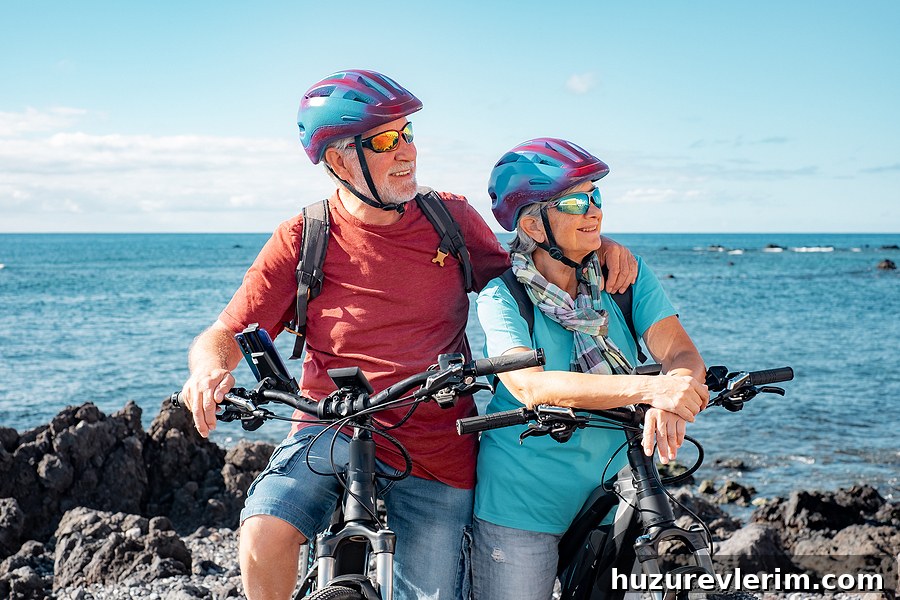
Aging may bring opportunities to explore new passions, try different activities, or undertake adventures, whether close to home or far away. It can also mean finding new outlets for creativity and self-expression. The idea is to push boundaries and refuse to let age alone determine what is possible.
Exploring the benefits of growing older
Life experience brings knowledge and perspective that younger generations haven’t yet had time to develop. That wisdom offers confidence and a deeper understanding of the world. Seniors can continue to cultivate insight through reading, engaging with diverse ideas, taking classes, and pursuing artistic or intellectual projects.
Staying engaged in your community
Communities are stronger when all members participate and contribute. Seniors can remain active by volunteering, pursuing encore careers, mentoring younger people, joining clubs, and taking part in programs at senior centers or other local organizations. These activities benefit both the individual and the broader community.
Forming relationships
Research increasingly shows that social connection is vital for mental and physical health. Relationships with family, friends, neighbors, and community members enrich life, reduce isolation, and introduce new ideas and perspectives. Maintaining and building social ties is an essential element of aging well.
Appealing to a new 55+ community prospect
The mindset behind “Aging Unbound” aligns closely with the attitudes of many current and future seniors, who tend to be more active, engaged, and less willing to be defined by a number. Many people approaching retirement today came of age during periods of social change and are accustomed to questioning norms.
As a result, many prospective residents do not identify with traditional notions of “old” or “senior.” They may not be drawn to stereotypical retirement activities; instead they look for communities and lifestyles that support ongoing adventure, learning, contribution, and convivial social experiences.
For example, this generation often seeks opportunities to:
- Explore new places, whether by motorcycle, camper, or planned travel;
- Learn new skills or sports, such as pickleball or a foreign language;
- Remain actively involved in volunteer work or encore careers that contribute to society;
- Enjoy healthy, flavorful dining in relaxed settings with friends.
These preferences reflect what “Aging Unbound” and independent living mean for many people today. To meet these expectations, the senior living industry must rethink traditional models and offer environments that support vitality and choice.
Prospective residents of 55-plus communities—including senior living apartments, continuing care retirement communities (CCRCs), and other senior-focused developments—are looking for features such as robust wellness and social programming, sustainable and thoughtful design, diverse dining options, and inclusive communities. They want to maintain independence while having access to services and amenities that support health, convenience, and social connection.
Communities that embrace these priorities and design offerings around autonomy, engagement, and meaningful experiences will be best positioned to serve this next generation of residents and help them achieve the goals embodied by “Aging Unbound.”