Long-term care refers to ongoing assistance with everyday activities such as bathing, dressing, eating, or walking. Often called assisted living, this care can be needed for an extended period, sometimes lasting several years.
Long-term care can also include skilled nursing care, which is usually provided in a nursing facility and involves 24-hour care supervised or delivered by a Registered Nurse (RN). People who require skilled nursing commonly need help with daily activities as well. Skilled nursing is often short-term, provided after a major medical event like a stroke, fall, or surgery, and is frequently referred to as “rehab care.” The aim of this rehab care is to restore a person’s health so they can return to independent living or transition to assisted living. In some cases, however, skilled nursing care may continue for months or years.
>>Related: A Summary of Long-Term Care and the Payment Options
Most long-term care in the United States is delivered at home by unpaid family caregivers. While this arrangement can be rewarding, it often places considerable emotional, physical, and financial strain on the caregiver.
Many families opt for paid caregiver services instead. When needs exceed what can be safely managed at home, an assisted living facility is a common choice. These facilities provide varying levels of support while promoting residents’ dignity and independence.
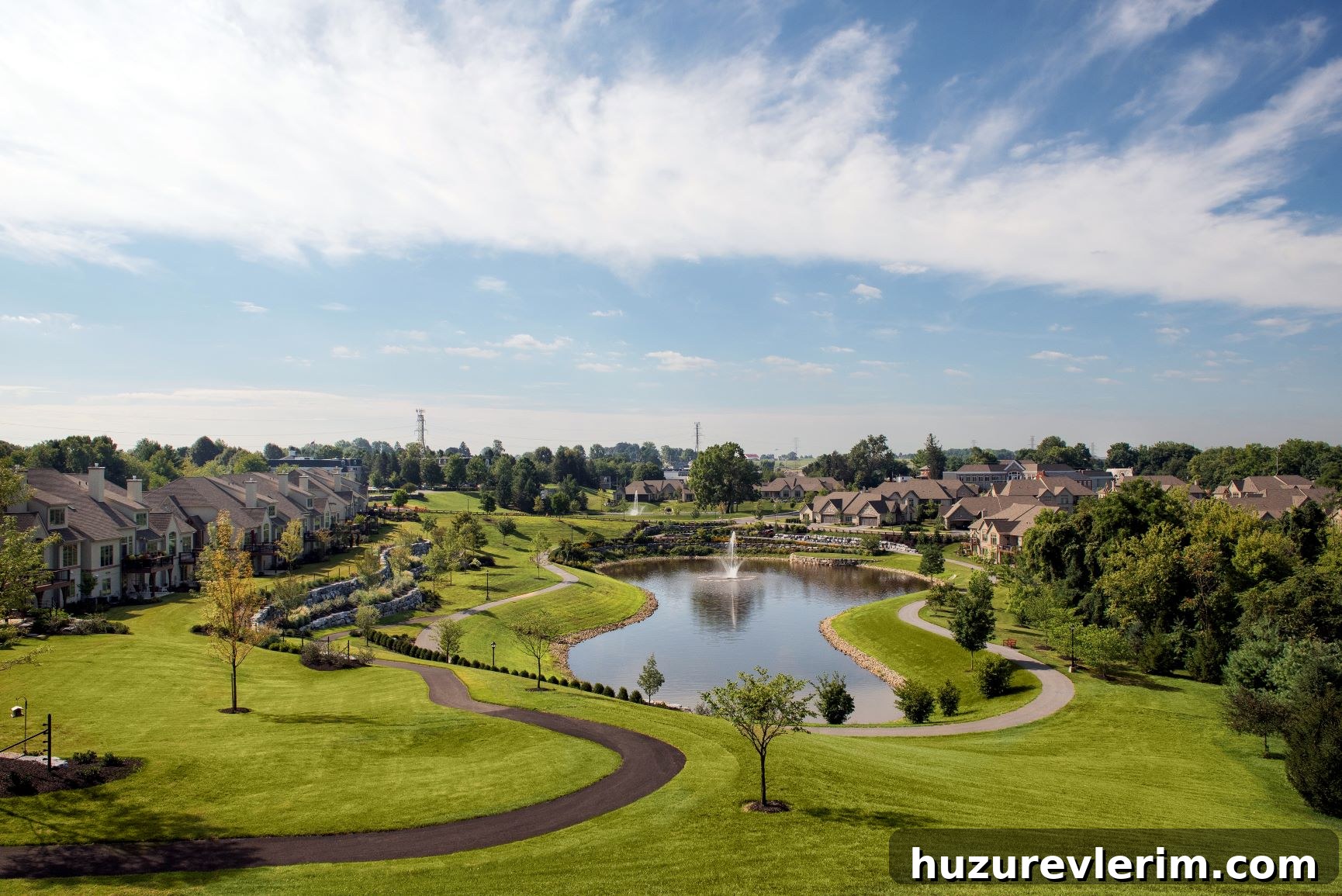
For those who prefer to plan ahead and minimize uncertainty about future care needs, moving into a continuing care retirement community (CCRC), also known as a life plan community, can be an attractive option. CCRCs are designed for people who are independent today but want access to a range of services—independent living, assisted living, and skilled nursing—if their needs change over time.
>> To learn more about continuing care retirement communities click on the Resources tab above.
>> To search for one of our community-specific profile reports on a CCRC, click here.